Trending Finds Readers Are Loving
Explore affordable luxe discoveries people are clicking on right now.
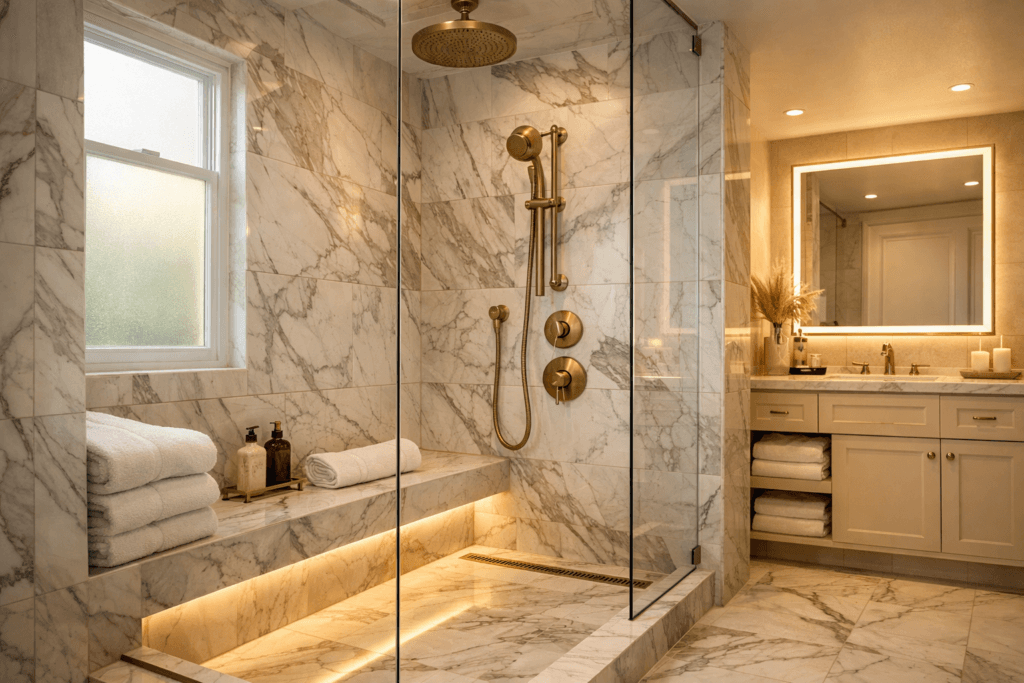
See What's TrendingShowers have evolved.
They are no longer just functional — they’re restorative sanctuaries.
A beautiful shower can make your entire bathroom feel spa-level, relaxing, and curated.
Every one of the ideas below goes beyond surface styling. These are features that designers use to craft spaces that feel intentional, calming, and expensive — without needing a complete remodel.
Let’s dive into 20 shower ideas with immersive detail, lighting logic, layout wisdom, and expert design rationale — plus one perfect product pick at the end that pairs beautifully with luxury showers.
Price: 3,349.99
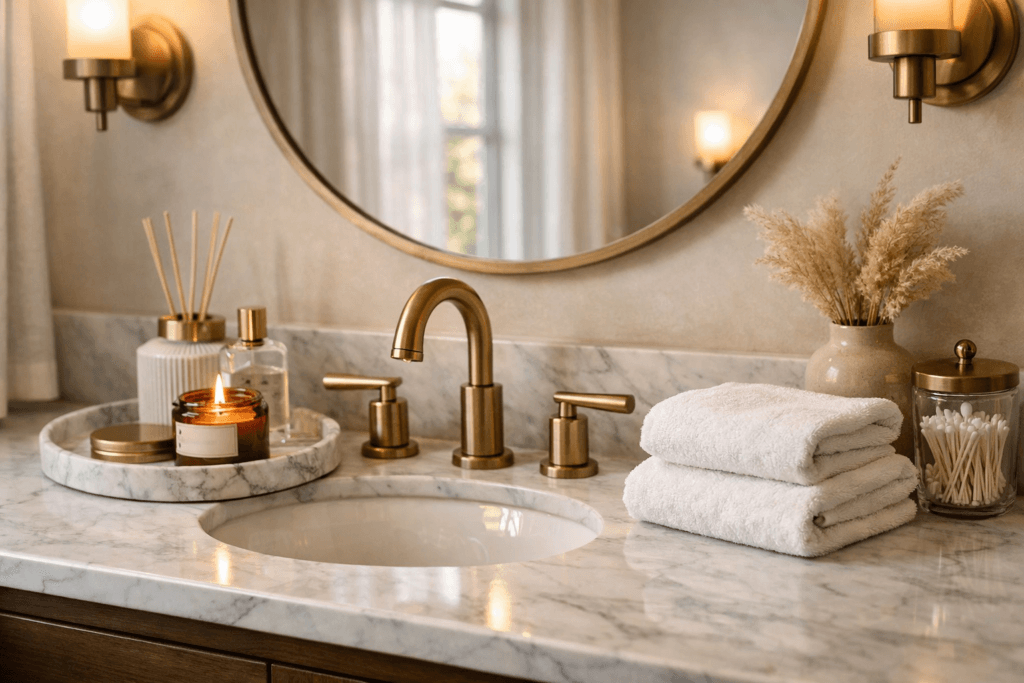
Shop Similar: Bathroom Vanity - Modern Bathroom Vanity with Double Sinks Includes Solid Wood Cabinet & Round Mirro – a must-have featured in this post.
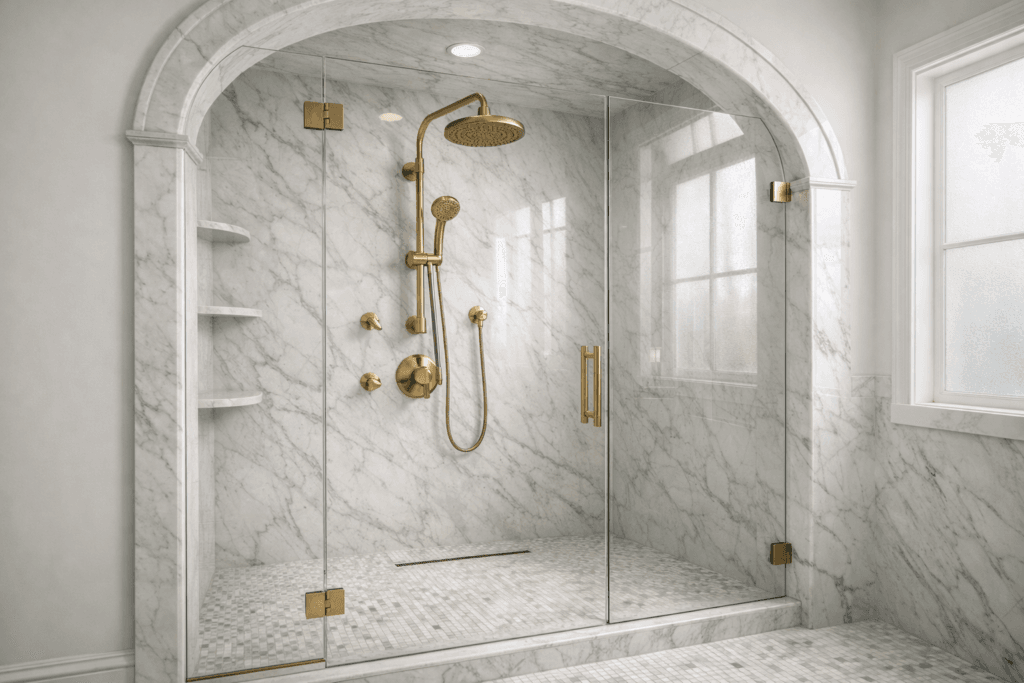
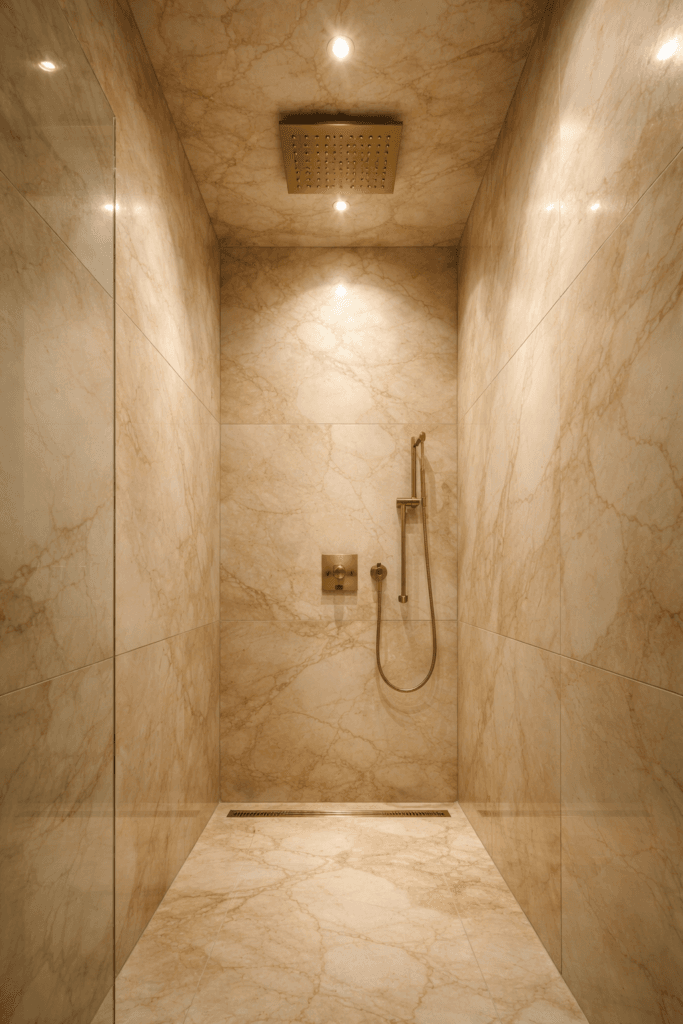
1) Full Marble Shower Walls & Floors
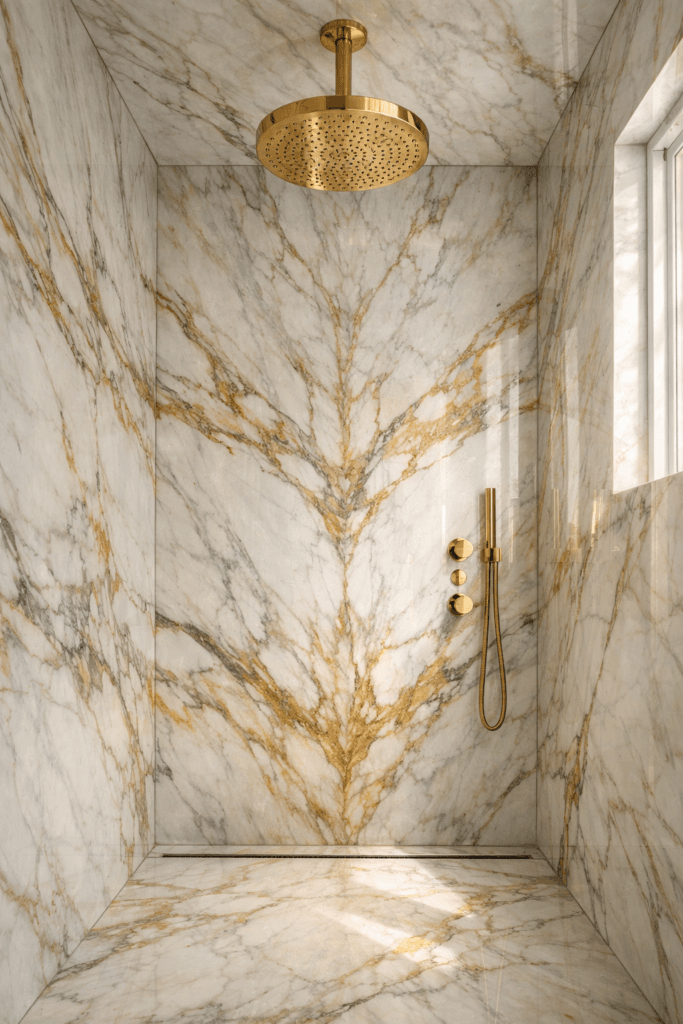
A full marble shower is the ultimate design signature.
Not just marble accents — floor to ceiling, seamless surfaces.
Marble brings natural variation that stone and porcelain can’t replicate. Subtle veining, depth of tone, and soft reflection of light create an instant sense of luxury and volume. In a shower, it feels like standing inside a sculptural work of art.
Design tip: Choose larger marble slabs with matching veins. This reduces grout lines and visually expands the space — similar to how galleries use uninterrupted surfaces to make rooms feel bigger.
In bathrooms with plenty of natural light, the play of shadows across marble surfaces adds dimension. For bathrooms without windows, combine marble with warm lighting (2700K bulbs) to avoid cold tones.
Marble is timeless. While trends fade, marble endures.
2) Frameless Glass Walk-In Shower
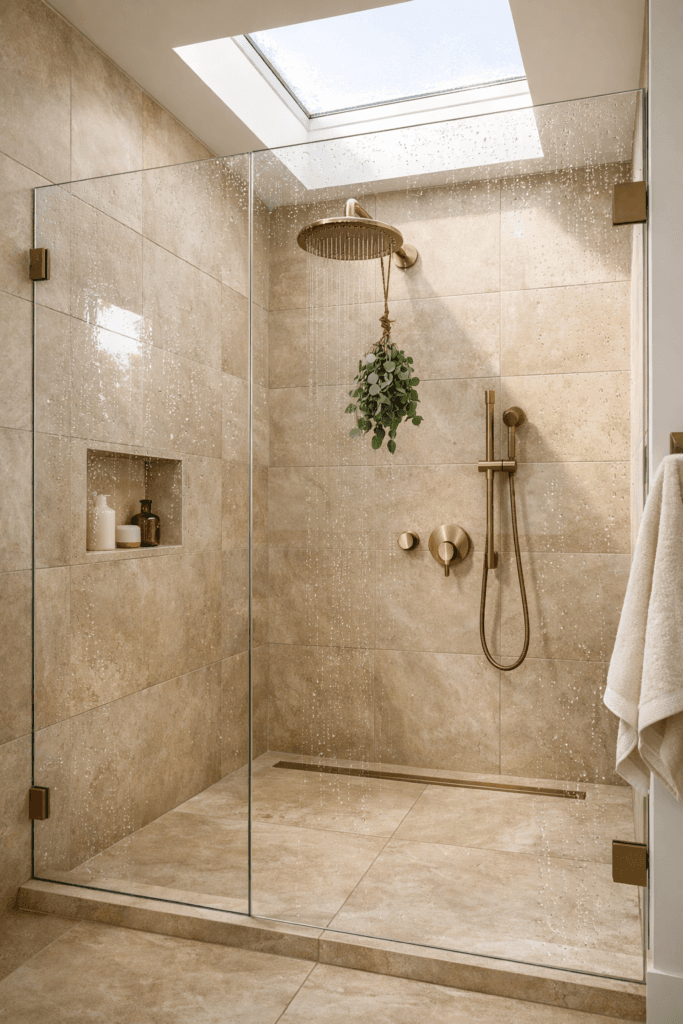
A frameless glass enclosure is one of the most transformative shower upgrades.
It removes visual barriers, letting your tilework, fixtures, and lighting do the real talking.
Frameless glass makes smaller bathrooms feel bigger — walls aren’t chopped up by frames and mullions. In larger bathrooms, glass makes the shower feel integrated with the rest of the space.
Glass also reflects light. Whether it’s morning daylight or warm LED lighting inside the shower, reflections travel through the bathroom, making everything feel brighter and more open.
To keep the glass pristine, use water-repellent treatments and daily squeegee habits. This preserves clarity and prevents soap scum buildup, which is crucial for a high-end look.
A walk-in shower without a door also feels modern and accessible — especially when paired with a flush threshold for a seamless floor.
3) Rainfall Showerhead Installation
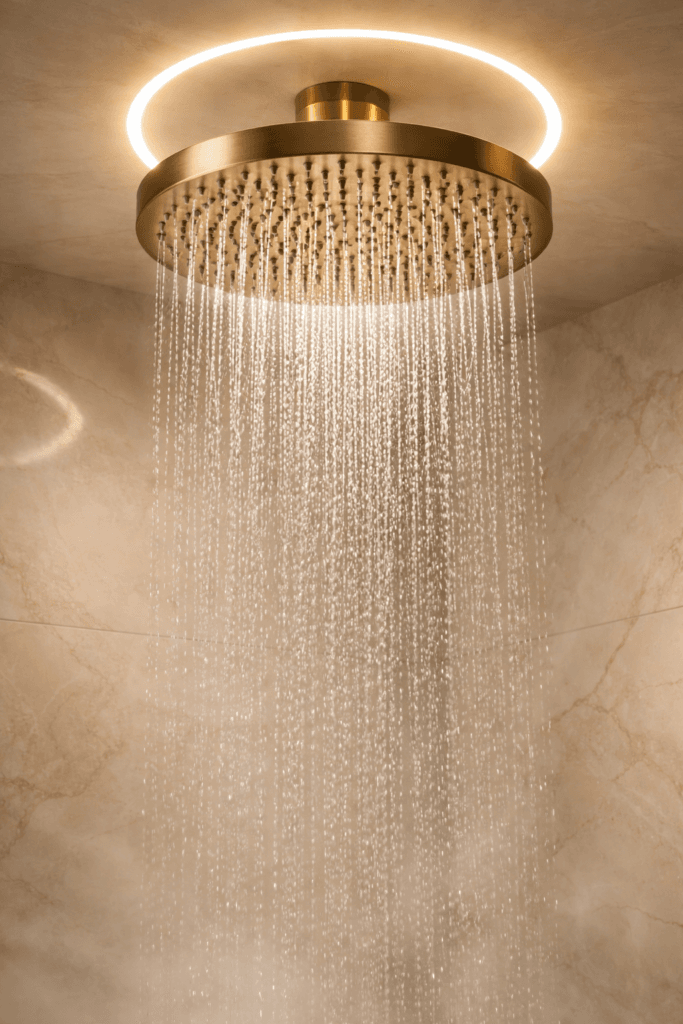
Nothing signals “spa mode” faster than a rainfall showerhead.
Mounted from the ceiling, rainfall heads deliver a wide, gentle waterfall of water. This design mimics luxury hotel showers and feels soothing rather than harsh. It covers your body evenly and removes the “tunnel water” feeling that traditional wall showers create.
Choose a brushed brass or matte black finish to match other hardware. Brass evokes warmth and richness; black feels modern and bold.
Pair rainfall heads with handheld sprayers for versatility — one for relaxation, the other for cleaning or rinsing.
Lighting matters here too. A soft LED above the rainfall creates a glowing halo effect through the water stream, enhancing that spa perception.
4) Built-In Shelves & Niches With LED Strips
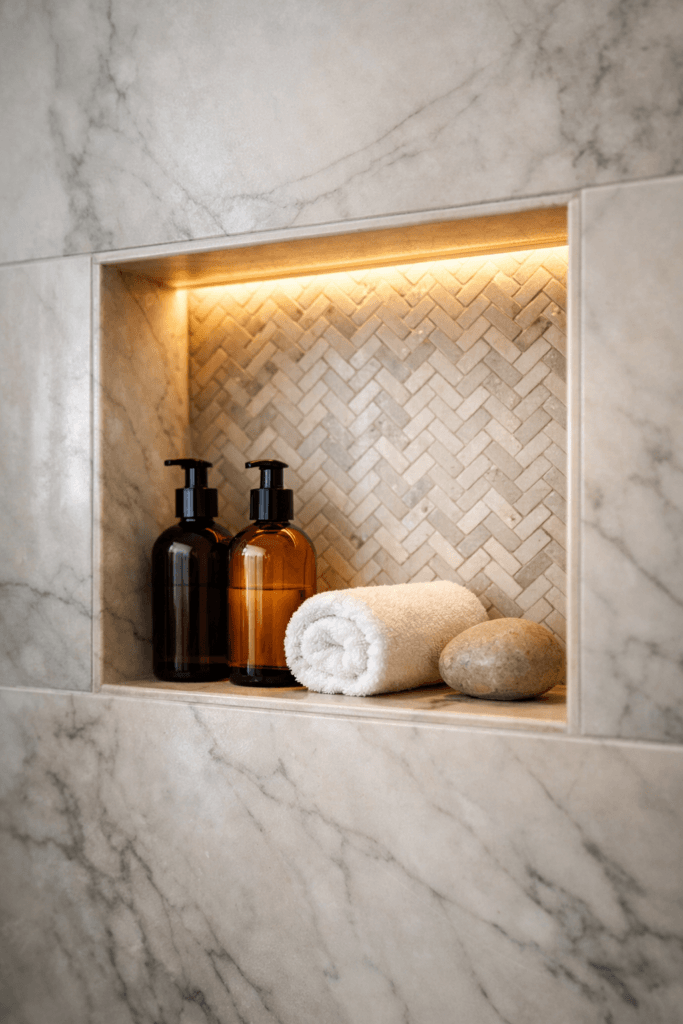
Shower niches are both functional and elegant. These recessed storage spaces keep shampoos, conditioners, and body wash off the floor — and out of sight — without distracting from the tile.
But the real designer trick is adding subtle LED strip lighting inside the niche. This warms the space and showcases tile detail, transforming utilitarian storage into a boutique feature.
Use accent tiles in niches to differentiate them subtly — a chevron pattern or contrasting marble mosaic adds personality without clashing.
Lighting inside the niche should be soft and warm. Bright white LED strips can create harsh hotspots that feel sterile. Warm lighting keeps the shower inviting.
5) Mixed Metal Fixtures
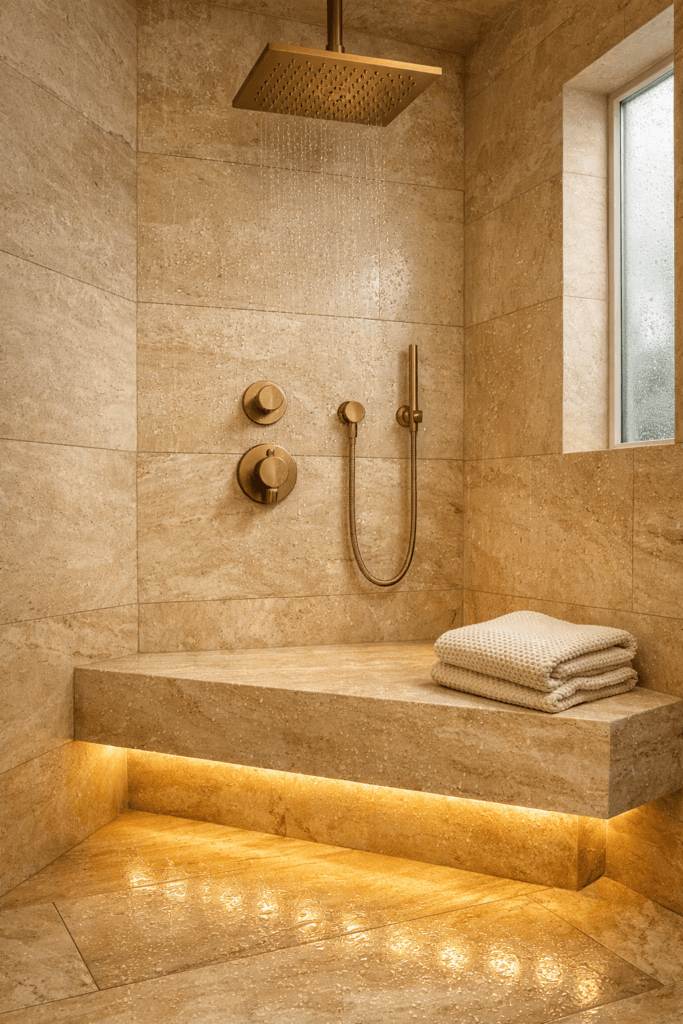
Gone are the days of matching every finish. Modern luxury design is about intentional contrast.
Combine finishes thoughtfully:
✔ Matte black handheld sprayer
✔ Brushed brass rainhead and knobs
✔ Polished nickel accent bar
This layering of metals adds depth and visual intrigue. It feels intentional — like jewelry — rather than afterthought hardware.
Choose one dominant metal (typically the warmest or most luxurious, like brushed brass) and then use other finishes sparingly for accents.
This approach also pairs well with tiles that have veining or mixed tones — the metals pick up subtle hues in the stone.
6) Herringbone or Chevron Tile Patterns
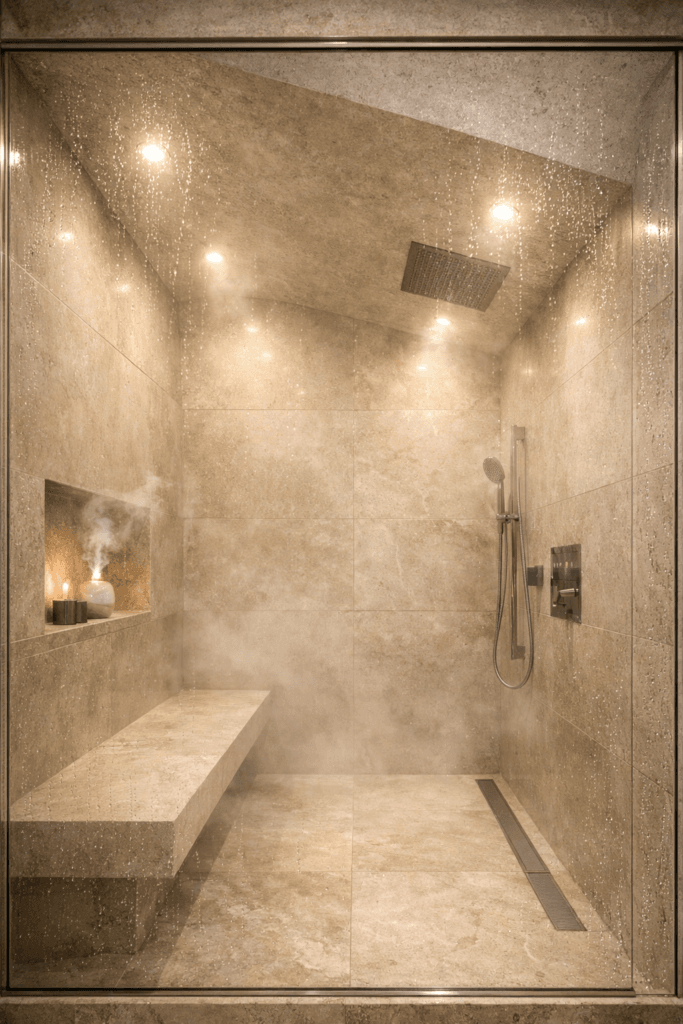
Straight subway tiles are classic — but layouts like herringbone or chevron take tile design to editorial levels.
When applied vertically on a shower wall or floor, these patterns create movement and rhythm. The eye travels naturally, and your bathroom feels curated, not merely functional.
Herringbone on the main shower wall, paired with larger neutral tiles elsewhere, creates contrast without chaos. Keep the palette calm (creams, soft grays, warm whites) to preserve a high-end look.
7) Built-In Shower Bench Seating
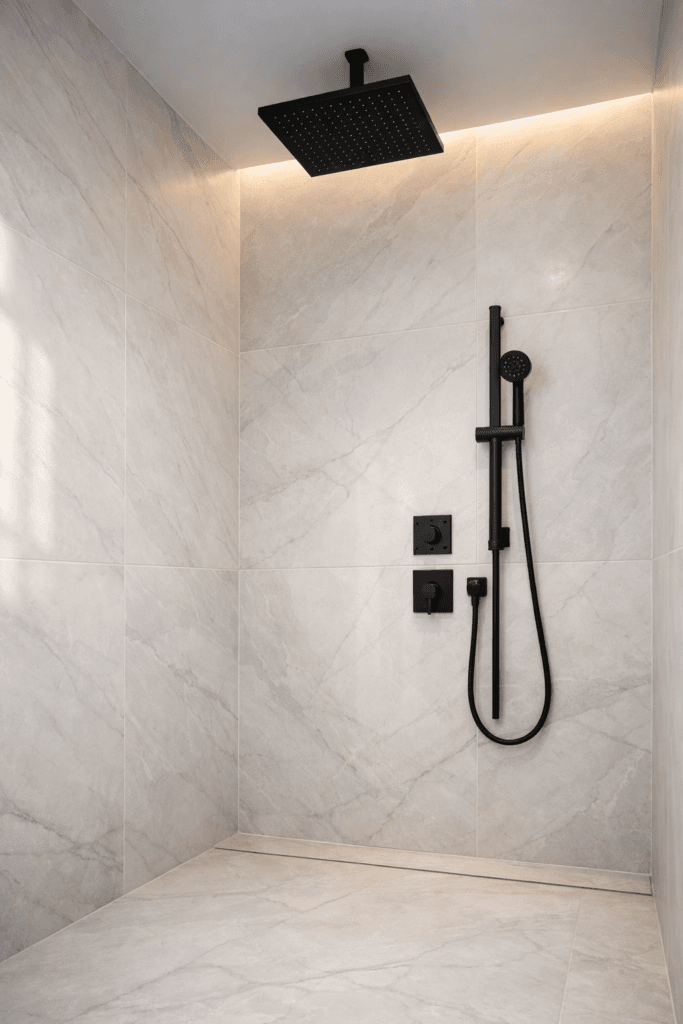
A built-in bench adds both function and comfort.
Whether you freelance it as a shaving perch, a safety feature, or a place to sip steam, benches bring hotel-style refinement. Tiled benches that match your shower tile make the space feel custom.
Angle the bench slightly or use a subtle curve — these details create a crafted feel rather than a “box seat.”
Soft LED lighting under the bench lip enhances the sculptural quality and makes the shower feel like a calm retreat.
7) Built-In Shower Bench Seating

A built-in shower bench instantly shifts a shower from basic to spa-level. It signals intention. It tells the eye that the space was designed for comfort, not just quick routines.
Benches serve multiple purposes. They provide a place to sit and relax under warm water, a safe spot for shaving, and even a landing zone for folded towels or bath products. But their real value is emotional — they make a shower feel like a retreat.
Material choice matters. A bench tiled in the same stone as the walls feels seamless and sculptural. A contrasting slab — like warm marble against neutral walls — turns the bench into a feature. Floating benches create a modern look, while full-base benches feel grounded and architectural.
Designers often soften edges with slight curves or waterfall sides. These details elevate the look beyond builder-grade.
Lighting also plays a role. A subtle LED strip under the bench adds depth and a floating illusion. Warm lighting enhances relaxation and avoids the clinical feel of bright white lights.
Even small showers can incorporate a compact corner bench. The key is proportion. When designed correctly, a bench doesn’t crowd the space — it anchors it.
8) Steam Shower Features
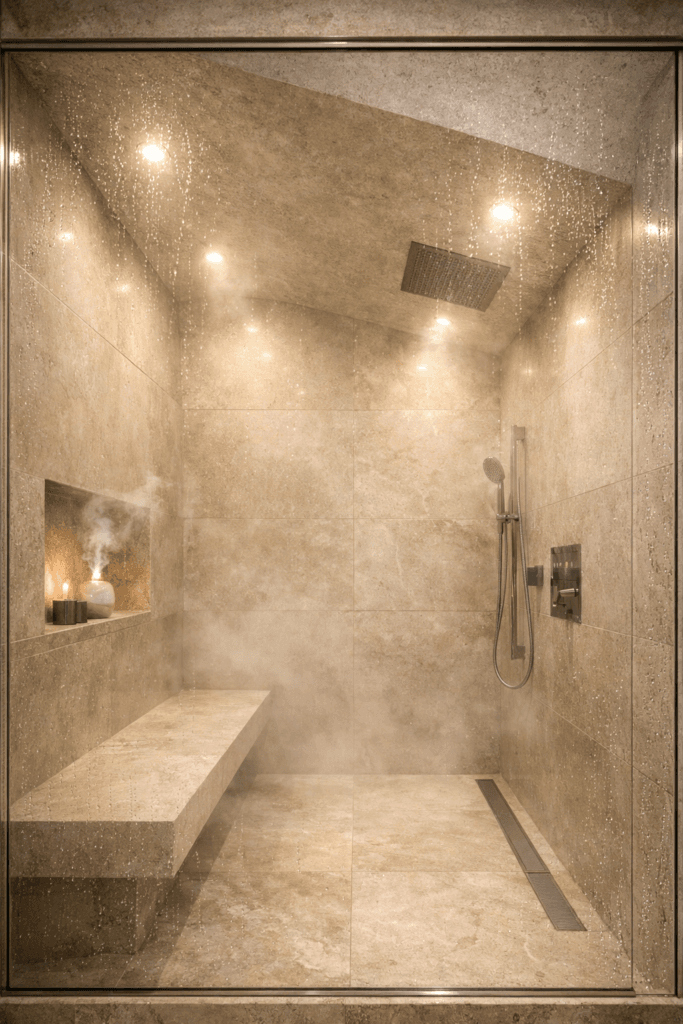
Steam showers bring wellness into the home. They’re not just luxurious — they’re therapeutic.
Steam helps relax muscles, improve circulation, and open pores. Many homeowners choose steam showers as part of a self-care routine. After a long day, stepping into warm steam feels like entering a private spa.
A proper steam shower requires sealed glass, moisture-resistant materials, and a generator system. The enclosure must trap steam effectively, which is why frameless glass with tight seals works best.
Tile selection is important. Porcelain and stone perform well in steam environments. Sloped ceilings help prevent condensation from dripping directly downward.
Add aromatherapy options like eucalyptus or lavender. Built-in diffusers or scent pods turn a steam session into a calming ritual.
Lighting should remain soft. Harsh overhead lighting ruins the ambiance. Warm LEDs or dimmable fixtures create a cocoon effect.
Steam showers also add resale appeal. Buyers associate them with high-end homes. Even if not used daily, they represent a premium feature.
9) Large-Format Tiles
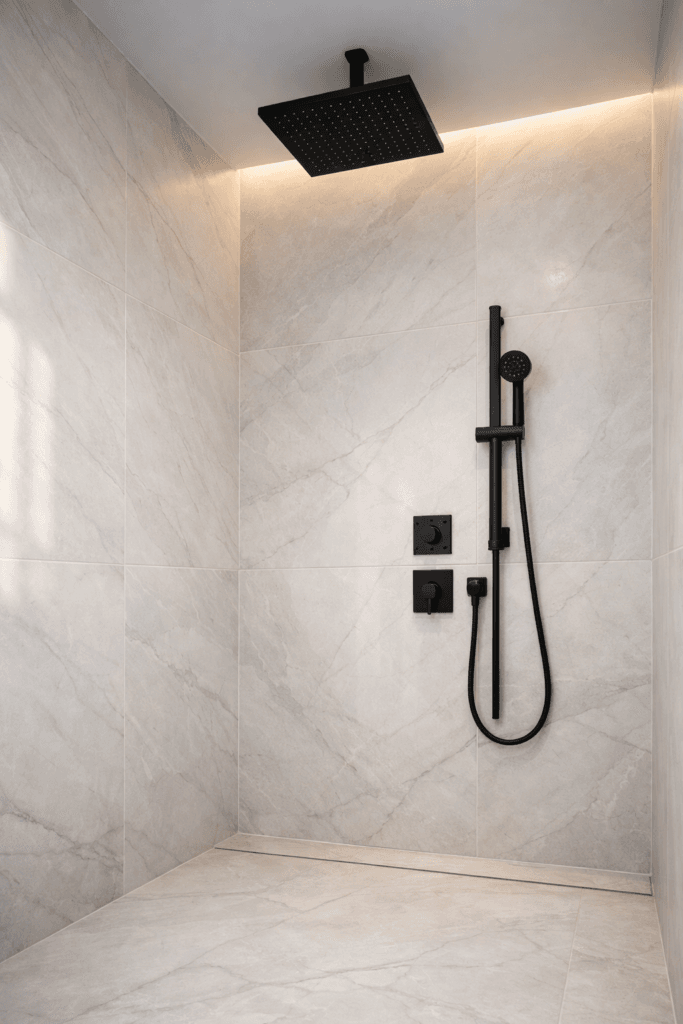
Large-format tiles create visual calm. Fewer grout lines mean fewer interruptions. The eye sees smooth surfaces instead of a grid of lines.
This makes the shower feel bigger and cleaner. It also simplifies maintenance — fewer grout joints to scrub.
Large tiles work especially well in marble-look porcelain. You get the luxury appearance without natural stone maintenance. Veining can stretch across slabs, creating a continuous design flow.
Installation requires precision. Skilled installers ensure alignment and minimal lippage. When done correctly, the result looks seamless and tailored.
Neutral tones remain the safest luxury choice: soft whites, warm grays, creamy beiges. These tones age well and pair easily with metals and fixtures.
Designers often combine large-format walls with smaller mosaic floors for slip resistance. This contrast keeps the shower functional while maintaining elegance.
10) Warm Neutral Color Palettes
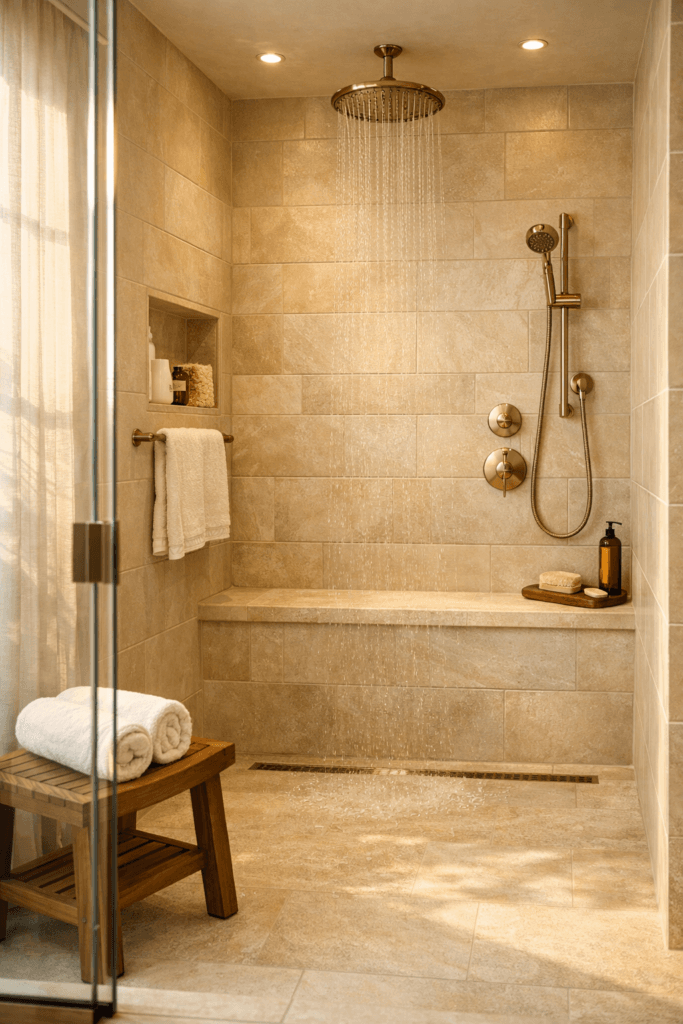
Warm neutral palettes are the foundation of modern luxury bathrooms. They don’t scream for attention, yet they quietly signal sophistication. Think creamy whites, soft taupes, sandy beiges, warm grays, and muted mushroom tones. These shades create a calming visual field that makes a shower feel restful instead of stimulating.
The reason designers lean into warm neutrals is psychological. Warm tones soothe the nervous system. Cool grays can sometimes feel sterile or clinical, but warm neutrals wrap the space in softness. That’s exactly what a spa-like shower should do.
Layering is the secret. A single beige everywhere can look flat. But combining a creamy marble wall, a taupe-toned floor, and warm brass fixtures creates depth. Each neutral supports the others without competing.
Warm palettes also photograph beautifully, which matters if you love Pinterest inspiration or resale value. They reflect light gently and make skin tones look better in mirrors — a small but meaningful bonus.
From a longevity perspective, warm neutrals age gracefully. Bold trends can feel dated in a few years, but warm stone-inspired tones stay timeless. They also pair easily with natural materials like wood vanities or woven accessories.
A warm neutral shower doesn’t just look good — it feels emotionally safe and calming. That’s what makes it a luxury.
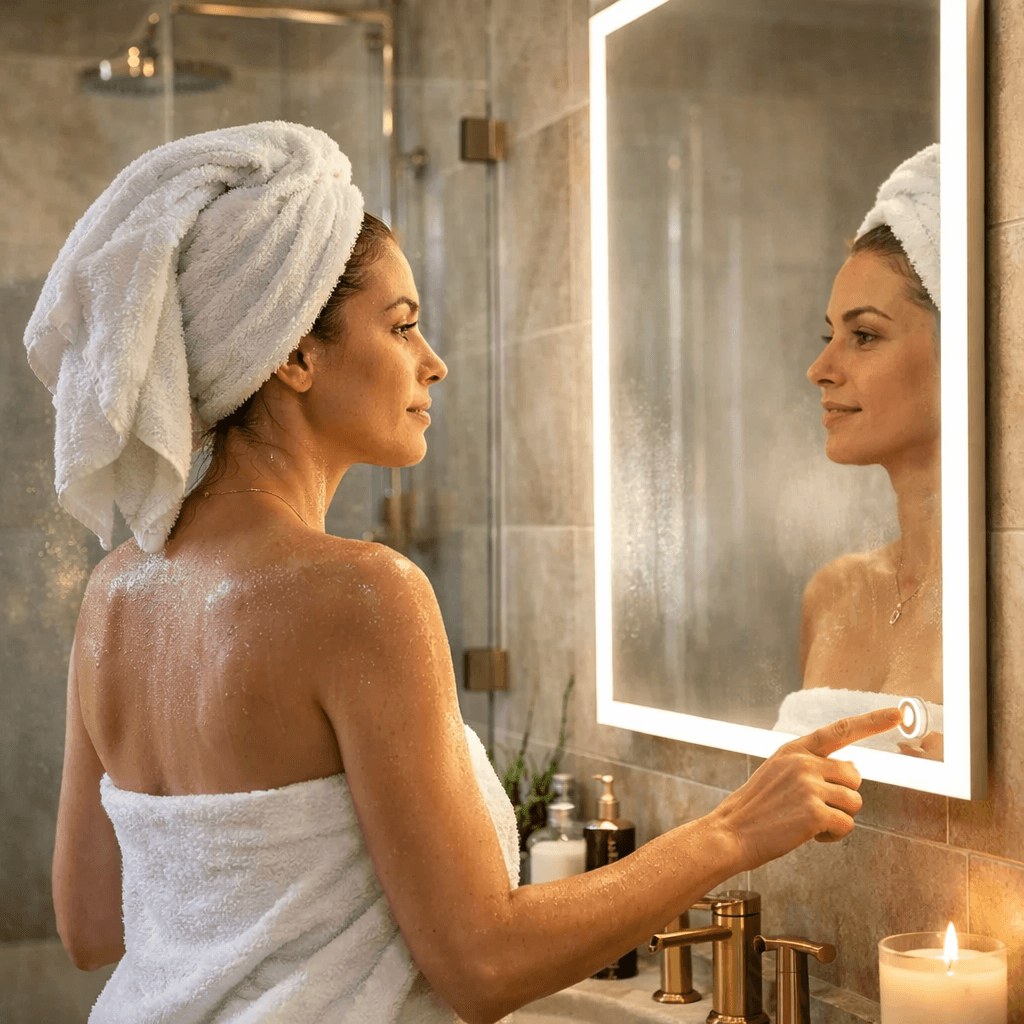
11) Backlit Mirrors Near the Shower
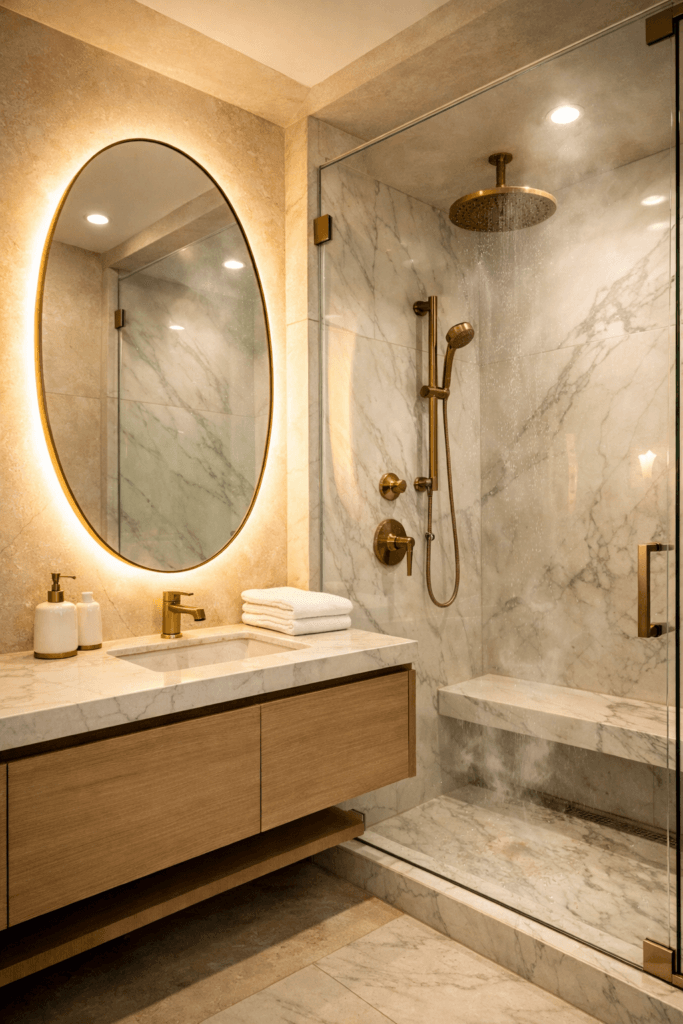
Backlit mirrors are one of those upgrades that quietly transform a bathroom. They don’t shout for attention, yet once you have one, it’s hard to go back. The glow they create is soft, flattering, and hotel-inspired.
Instead of harsh overhead lighting that casts shadows, a backlit mirror distributes light evenly around your face. This is ideal for skincare routines, makeup, or grooming. It’s functional, but it also changes the mood of the space.
After a warm shower, stepping into soft halo lighting feels soothing. Your eyes don’t have to adjust to bright bulbs, and the bathroom retains that calm spa energy.
Placement matters. Designers often position backlit mirrors where they can reflect beautiful tile or brass fixtures. This amplifies the overall aesthetic and makes the room feel larger.
Many backlit mirrors also include anti-fog features. This small detail prevents frustration and keeps the mirror clear after hot showers. It’s one of those “quiet luxury” features buyers notice.
Warm color temperatures (2700K–3000K) are ideal. They mimic sunset lighting and feel inviting. Cooler lights can make the space feel clinical.
A backlit mirror isn’t just decor — it’s ambiance, practicality, and luxury rolled into one.
12) Floor-to-Ceiling Tile
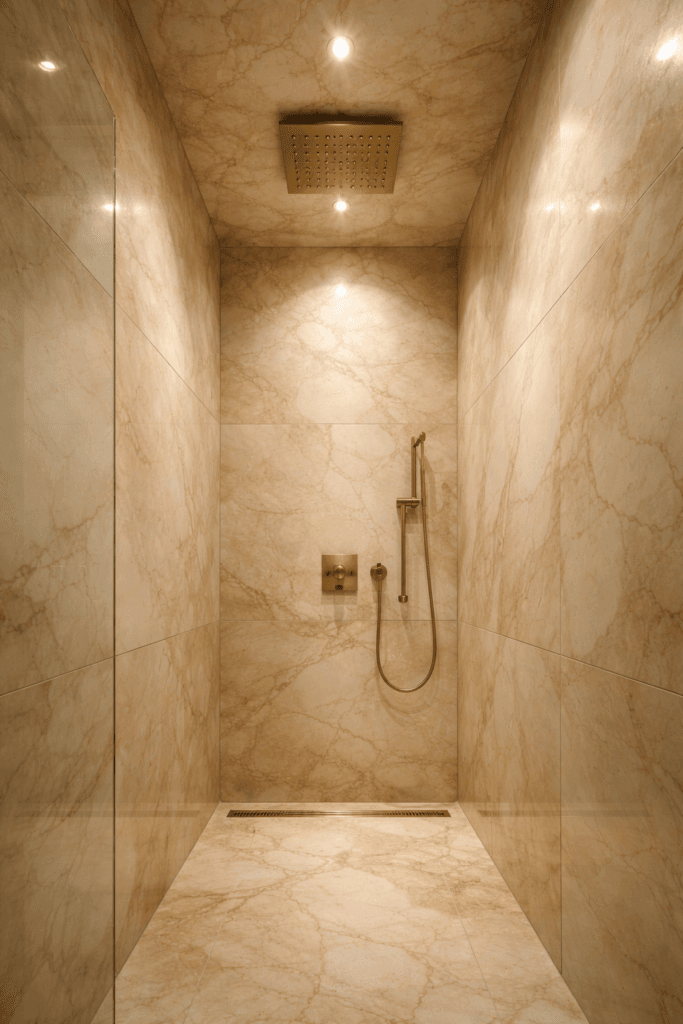
Floor-to-ceiling tile is a hallmark of high-end bathrooms. It signals intentional design and creates a clean architectural envelope. When tile stops halfway up the wall, it can look like an afterthought. Full-height tile feels purposeful.
From a practical standpoint, it protects walls from moisture and steam. Bathrooms are humid environments, and tile holds up far better than painted drywall over time.
Visually, full-height tile elongates the room. Vertical patterns draw the eye upward, making ceilings appear taller. This is especially helpful in smaller bathrooms.
Large-format tiles or slabs reduce grout lines, creating a seamless look. The fewer visual interruptions, the more expensive the space appears.
Designers also use ceiling tile to create a cocoon effect in showers. When walls and ceiling share material, the space feels immersive — almost like a private spa chamber.
Neutral stone-look tiles remain the safest luxury choice. They don’t overwhelm and allow fixtures to shine.
Floor-to-ceiling tile is not just about style — it’s about durability, elegance, and long-term value.
13) Dual Showerheads
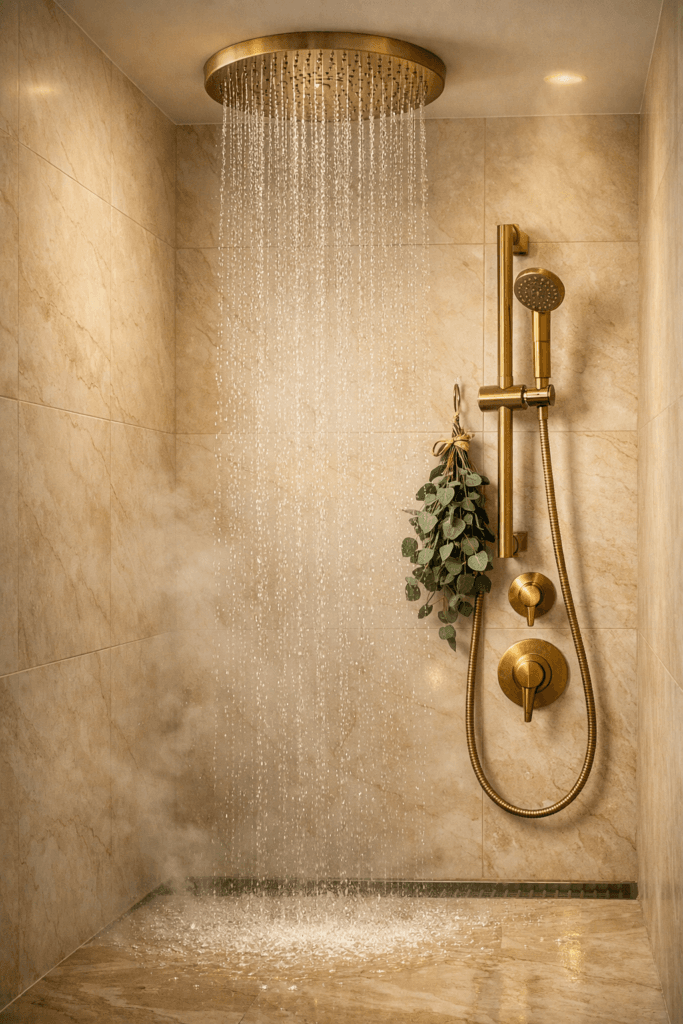
Dual showerheads bring both luxury and practicality. They offer flexibility that single-head setups simply can’t match. One can be a rainfall head for relaxation, while the other is a handheld for precision.
This combination supports different routines and preferences. One person might enjoy a gentle rain flow, while another prefers a targeted spray. Dual setups accommodate both.
They’re also incredibly useful for cleaning. Rinsing walls, benches, or even pets becomes easier with a handheld.
In luxury design, dual systems are common in hotels and upscale homes. Bringing that experience home elevates daily routines.
Placement is key. Rainheads should be centered for even coverage. Handhelds should be mounted where they’re easy to reach without disrupting aesthetics.
Matching finishes keep the look cohesive. Brass for warmth, black for modern drama, or chrome for timeless appeal.
A dual system makes a shower feel custom and thoughtful — two qualities buyers and homeowners appreciate.
14) Minimal Hardware
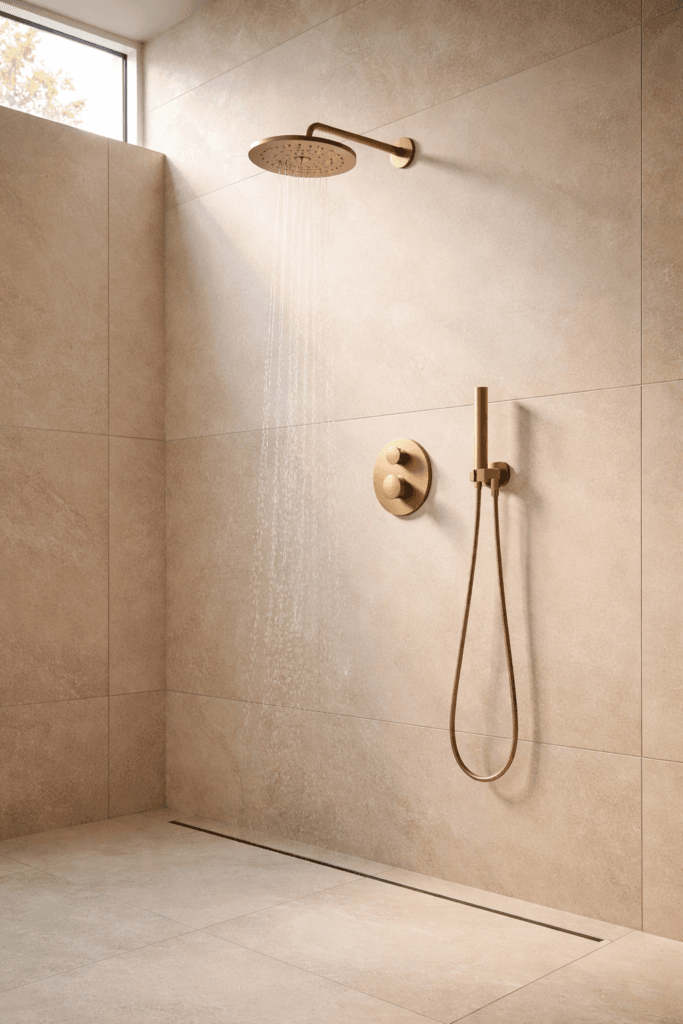
Minimal hardware is about restraint, not absence. It’s the art of choosing fewer elements but selecting them well. In luxury showers, simplicity often reads as more expensive.
Too many knobs, bars, and handles can clutter the eye. Clean lines create calm. When fixtures are streamlined, the focus shifts to materials like marble or tile.
Hidden or low-profile drains are part of this approach. They disappear visually, letting the design breathe.
Minimal hardware also pairs beautifully with statement materials. If your tile has dramatic veining, simple fixtures prevent overload.
Luxury is rarely loud. It’s curated.
This philosophy also makes cleaning easier. Fewer protruding elements mean fewer water spots and soap buildup areas.
Minimal hardware creates a shower that feels intentional and serene — never chaotic.
15) Pebble or Stone Floors
Pebble floors bring nature underfoot. The tactile texture instantly evokes spa environments. Walking on pebbles feels grounding and sensory, turning an everyday shower into a ritual.
They also improve traction. The natural texture reduces slipping, making them both beautiful and functional.
Neutral-toned pebbles look most elegant. Whites, creams, and soft grays maintain a refined palette. Bright multicolored stones can feel busy.
Proper sealing is essential. A well-sealed pebble floor resists moisture and lasts for years.
Designers often frame pebble floors with larger tiles for contrast. This creates balance between organic and structured elements.
Pebble floors connect indoor spaces to nature — a core principle in spa design.
16) Arched Shower Entries
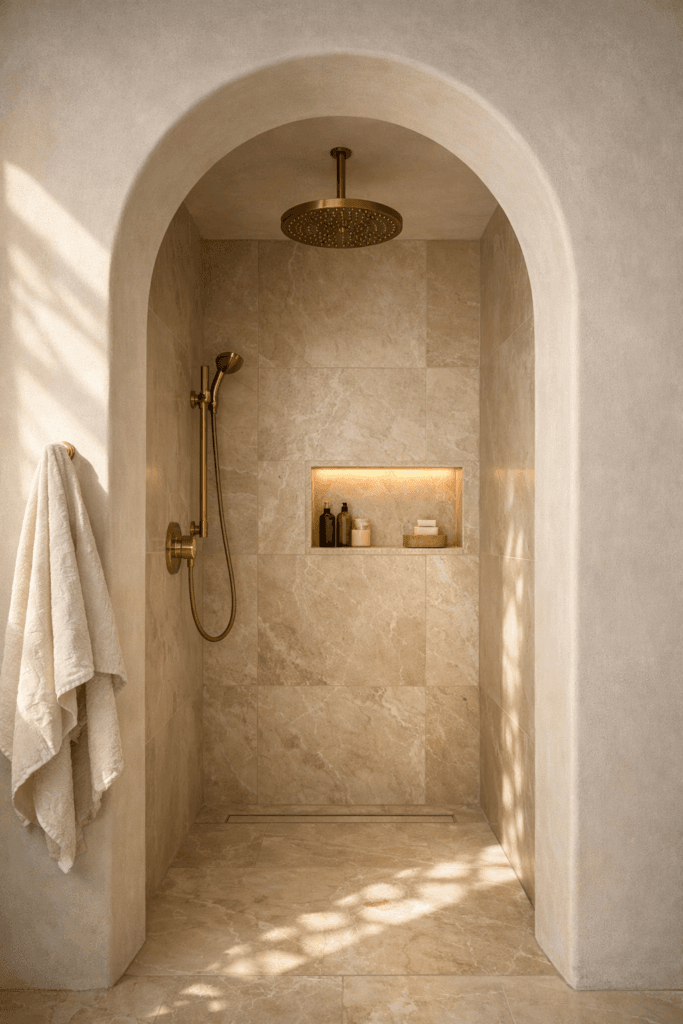
Arched entries soften a bathroom. Straight lines dominate modern architecture, so curves introduce visual relief. An arch instantly feels custom and architectural.
Arches also evoke Mediterranean and European design influences. They carry a sense of heritage and craftsmanship.
When paired with stone or plaster finishes, arches look timeless rather than trendy.
They can be subtle — even a shallow arch changes the feel of the space.
An arched shower entry signals bespoke design. It tells guests this wasn’t a cookie-cutter build.
17) Statement Accent Walls
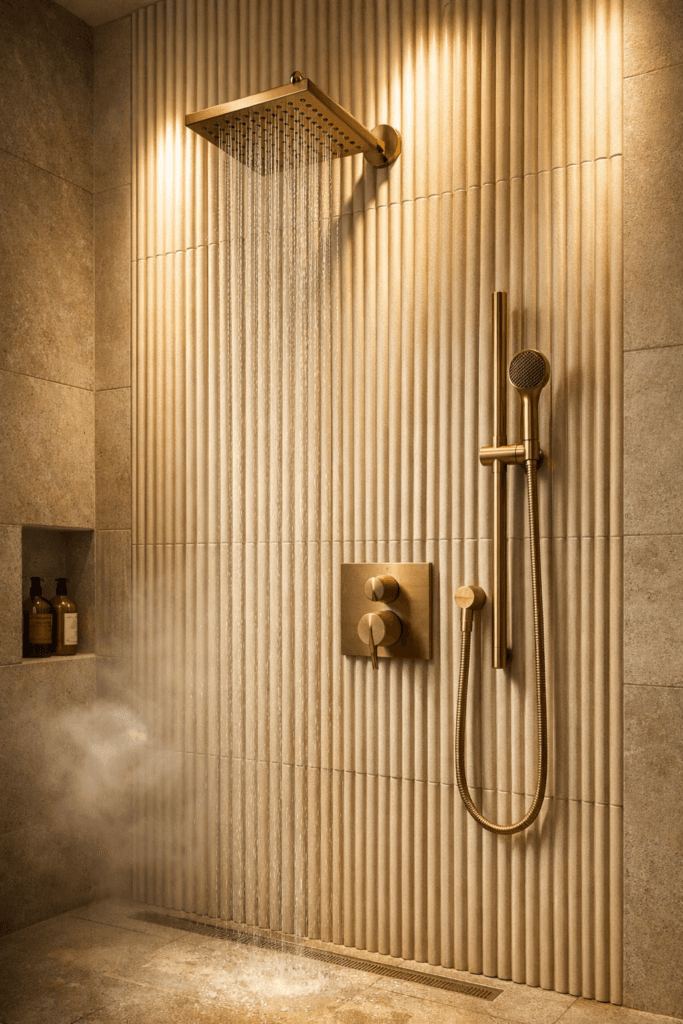
A statement accent wall in a shower is where personality meets luxury. It’s the design move that turns a nice bathroom into a memorable one. While the rest of the shower may stay calm and neutral, a single feature wall gives the eye something to admire.
The most successful accent walls use texture or natural variation rather than loud color. Think heavily veined marble, ribbed or fluted tile, zellige tile with subtle sheen, or handcrafted ceramic with organic variation. These materials feel rich because they have depth and imperfection — traits associated with high-end design.
Placement matters. The best accent wall is typically the one directly behind the main showerhead. This becomes the visual anchor when you step into the space. It frames the experience and feels intentional.
Restraint is key. Covering every wall in a bold tile can overwhelm the space. One wall allows drama without chaos. It creates contrast while preserving calm.
Lighting enhances the effect. Soft directional lighting or a warm LED wash can highlight texture and veining. This turns the wall into art rather than just surface.
Statement walls also photograph beautifully. They’re often the element that gets saved on Pinterest or remembered by guests. If resale value matters, a tasteful accent wall adds perceived custom design without alienating buyers.
A well-designed accent wall doesn’t just decorate a shower — it defines it.
18) Linear Drains
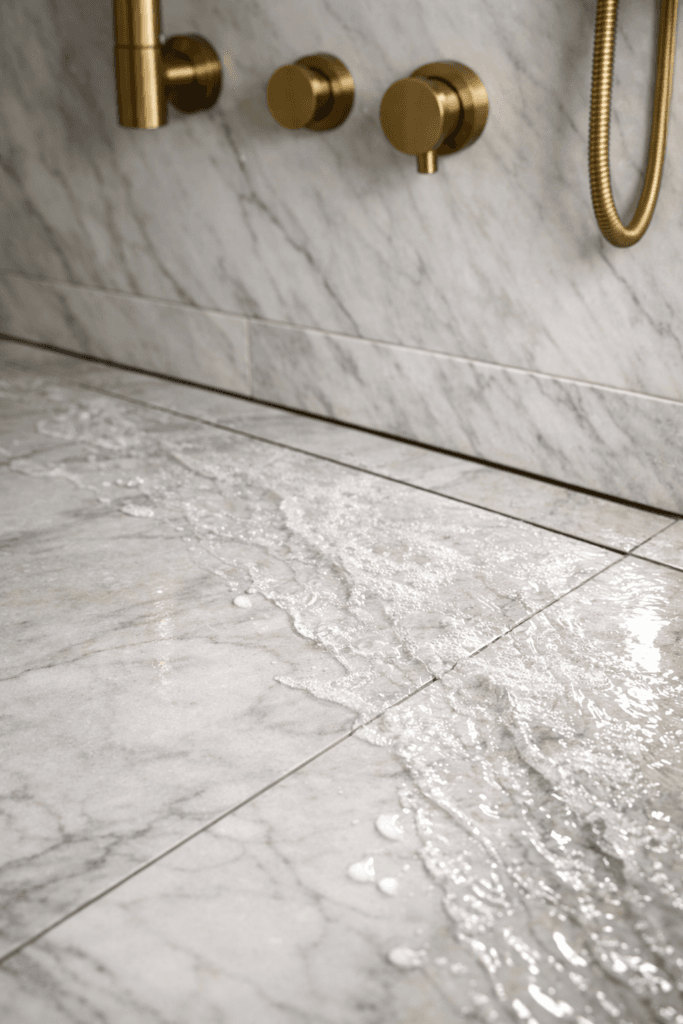
Linear drains are a subtle upgrade that signals modern luxury. Most people don’t consciously notice them, but designers and buyers do. They’re one of those quiet details that make a shower feel custom-built rather than standard.
Unlike traditional center drains, linear drains sit along one edge of the shower floor. This allows the entire floor to slope in a single direction instead of multiple angles. The result is cleaner visually and more comfortable underfoot.
Because of this design, large-format tiles can be used on the floor without awkward cuts. That alone elevates the look. Fewer grout lines mean a smoother, more seamless appearance.
Linear drains are also essential for curbless showers. They help manage water flow effectively while keeping the floor flush and accessible. This design is increasingly popular in luxury homes because it feels open and barrier-free.
Many modern linear drains come with tile-in covers. These allow the drain to visually disappear into the floor. When the drain blends in, the tile becomes the star.
Maintenance is another benefit. Linear drains often have removable covers and hair catch systems, making cleaning easier than traditional drains.
This is the kind of upgrade that doesn’t scream luxury — it whispers it. And in high-end design, those whispers matter.
19) Soft Interior Lighting
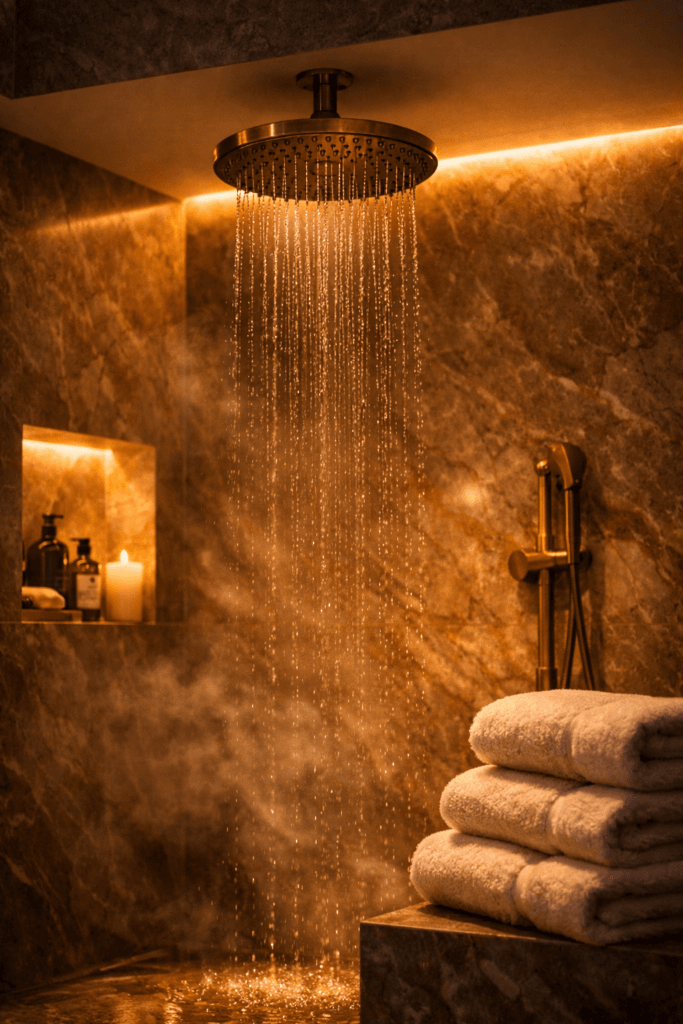
Lighting determines how a shower feels just as much as how it looks. Soft interior lighting can turn an ordinary shower into a calming ritual space. It changes mood, perception, and even how materials appear.
Harsh overhead lighting creates glare and shadows. It makes stone look flat and water feel less inviting. Soft, warm lighting does the opposite. It enhances texture, deepens tones, and creates a cocoon-like atmosphere.
Warm LEDs around 2700K–3000K are ideal. They mimic sunset lighting, which the brain associates with relaxation. This is why spas and luxury hotels avoid bright white lights.
Layered lighting works best. A recessed ceiling light for general illumination, a niche light for accent, and perhaps a subtle strip under a bench. These layers create dimension instead of flat brightness.
Dimmable lighting adds even more control. Morning routines might need brighter light, while evening showers benefit from a softer glow.
Lighting also affects how water looks. Under warm light, falling water appears softer and more luxurious. Under cool light, it can look stark.
Soft lighting is not just about visibility — it’s about emotion. It tells your brain to slow down. And that emotional shift is what makes a shower feel spa-worthy.
20) Edited, Clutter-Free Styling
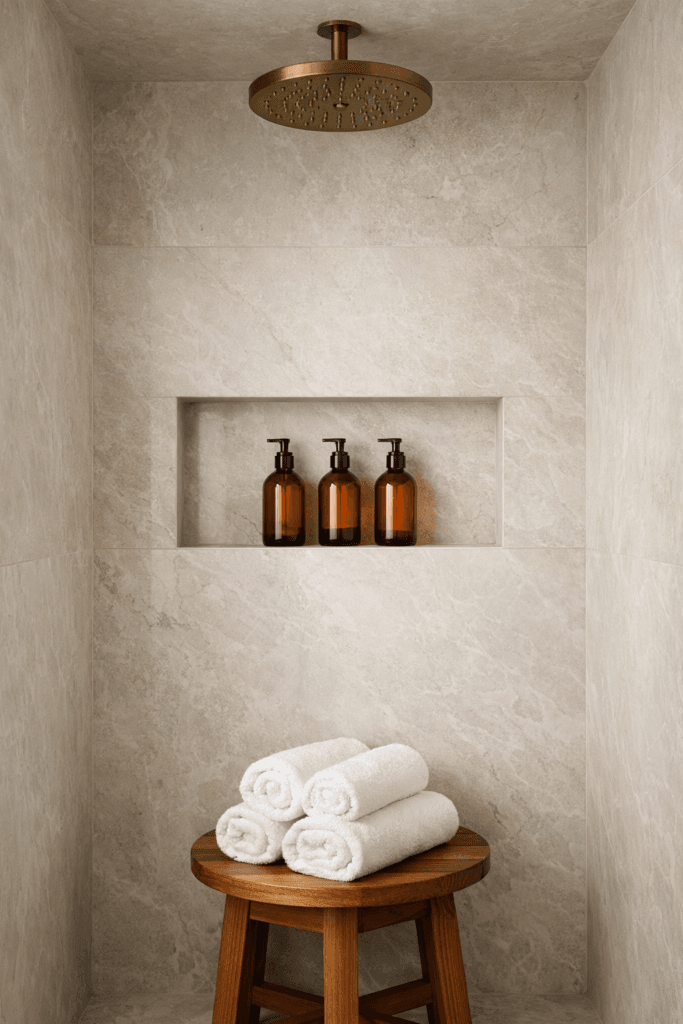
Luxury showers are not crowded. They’re edited. This is one of the biggest differences between everyday bathrooms and designer ones.
Too many bottles, bright packaging, and scattered items create visual noise. Even the most beautiful marble can look average when surrounded by clutter.
High-end showers focus on calm visuals. Matching dispensers for shampoo, conditioner, and body wash immediately elevate the look. Amber glass, matte ceramic, or minimal pump bottles create cohesion.
Storage is part of styling. Hidden niches, cabinets outside the shower, and under-vanity drawers keep extras out of sight. Only daily essentials stay visible.
Color coordination matters too. Neutral towels, coordinated containers, and limited product colors keep the palette soothing.
Editing doesn’t mean empty. It means intentional. Every visible item should feel like it belongs.
This approach also improves your daily experience. A clean, uncluttered shower feels mentally refreshing. It reduces decision fatigue and sensory overload.
Luxury isn’t about having more.
It’s about seeing less — and enjoying what remains.
Bellencinista Notes
Designer secret: repeat one finish (like brass or warm stone) in 3+ places — shower, vanity, and lighting. This creates subconscious cohesion that makes a bathroom feel professionally designed and more expensive.