
Designer Lighting Rule That Makes Any Home Look Expensive
July 14, 2026
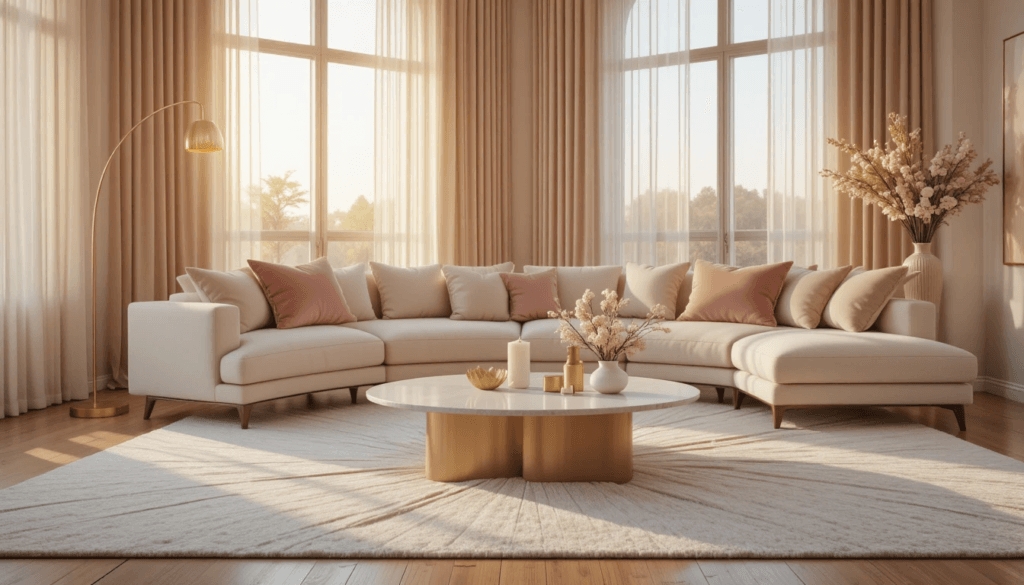
The Lighting Mistake Almost Everyone Makes
Trending Finds Readers Are Loving
Explore affordable luxe discoveries people are clicking on right now.
See What's TrendingMost homes do not look inexpensive because of the furniture. They look inexpensive because of the lighting.
If your space feels flat, harsh, or slightly off no matter how much decor you add, lighting is usually the reason. Designers understand that light controls mood, texture, depth, and even perceived value. Without the right lighting strategy, even beautiful furniture can feel underwhelming.
The designer lighting rule that makes any home look expensive is simple:
Never rely on one light source.
Luxury interiors are layered. They are never illuminated by a single overhead fixture. Instead, they use multiple light sources placed at different heights to create warmth, dimension, and atmosphere.
Before adding new decor, before replacing furniture, before buying more accessories — fix your lighting first.
Why Overhead Lighting Ruins Rooms
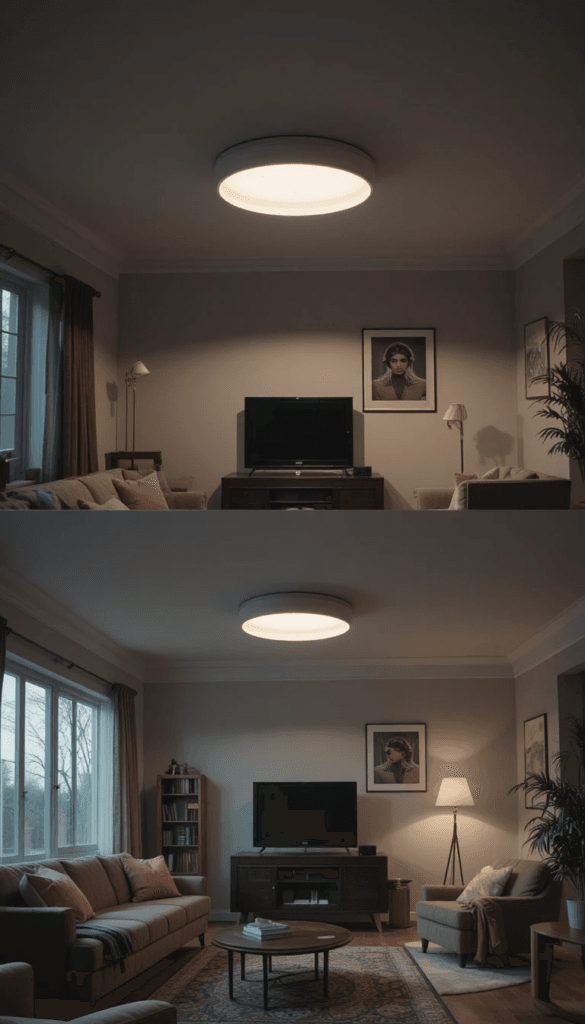
The most common mistake homeowners make is relying exclusively on ceiling lighting.
- Cast downward shadows
- Flatten texture
- Expose imperfections
- Create harsh contrast
- Remove depth from the room
That is often why a living room feels cold at night, why a bedroom lacks hotel-like softness, and why a space reads more rented than refined.
Publications like Architectural Digest consistently emphasize layered lighting as one of the defining elements of high-end interiors. It is not optional in luxury design — it is foundational.
Turning off your overhead light and relying on lamps alone for one evening can completely change the atmosphere of a room.
The Three-Layer Lighting Formula
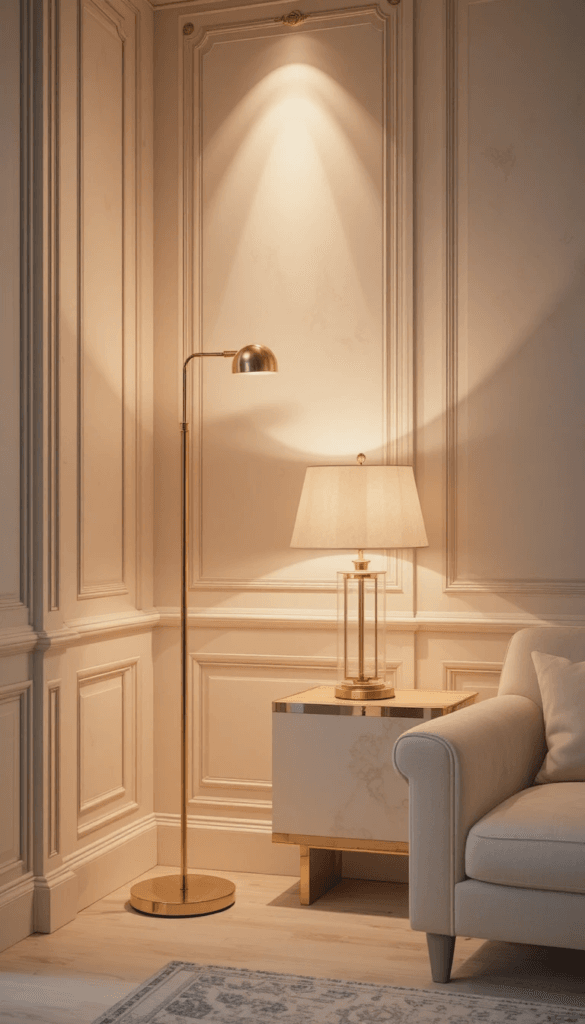
Designers typically follow a three-layer structure:
1. Ambient Lighting
This is your overall room illumination. It can come from a chandelier, ceiling fixture, or recessed lighting. However, it should never be your only source.
2. Task Lighting
This includes table lamps, floor lamps, reading lights, or under-cabinet lighting. Task lighting adds direction and intention.
3. Accent Lighting
This is where luxury happens. Accent lighting includes sconces, LED strips, picture lights, or candles. It creates softness and mood.
When these three layers work together, the room gains depth. Surfaces glow instead of glare. Textures become richer. Shadows add dimension instead of harsh contrast.
If you are refining your overall aesthetic, our complete guide on how to make a home look expensive on a budget explains how lighting supports proportion and cohesion.
Height Creates Drama
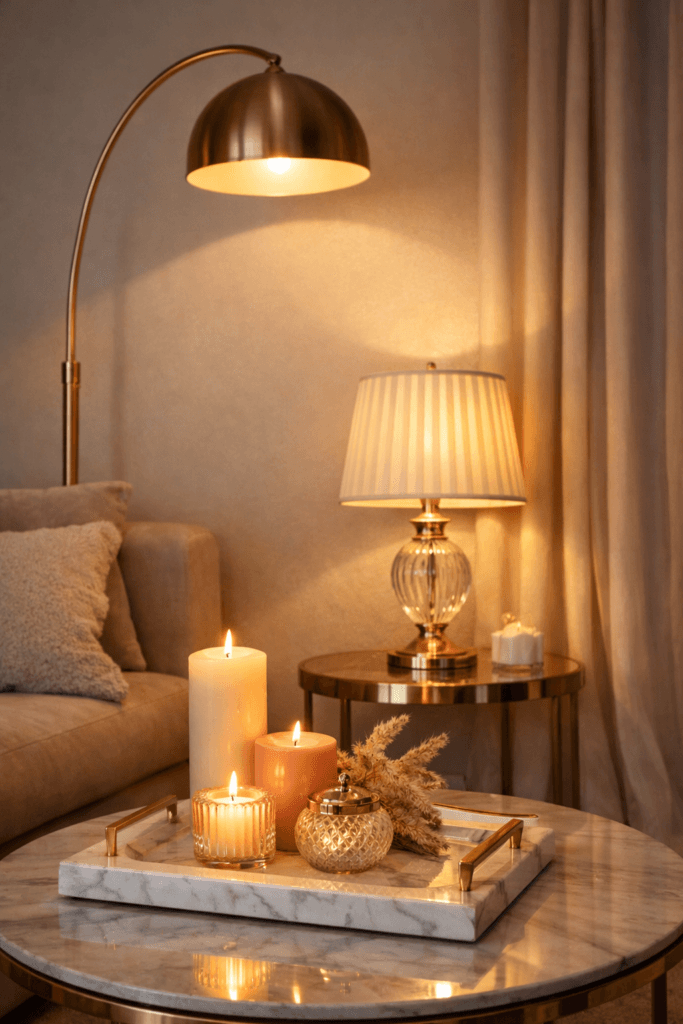
Another designer secret is height variation.
If every light source in your room sits at the same level, the room feels static. High-end interiors stagger lighting vertically to create visual rhythm.
- A tall arc floor lamp beside a sofa
- A mid-height table lamp on a console
- Lower accent lighting such as candles
This layered height creates movement and depth. Rooms that lack variation often feel unfinished, even when the furniture is beautiful.
Warm Bulbs Only
The type of bulb you use matters more than most people realize.
Cool white lighting (4000K and above) can make rooms feel sterile. It highlights imperfections and strips warmth from textiles.
Designers typically use warm bulbs in the 2700K–3000K range to create softness. Warm lighting enhances blush tones, deepens gold finishes, and makes neutral palettes glow.
If you are working with a soft glam aesthetic, warm lighting is non-negotiable.
Strategic Lamp Placement
Placement matters just as much as quantity.
A single floor lamp in a corner rarely transforms a space. Instead:
- Place lamps near seating areas
- Frame sofas with matching table lamps
- Add a floor lamp opposite a heavier furniture piece
- Use light to balance visual weight
If your layout still feels slightly off, the issue may not be lighting alone. Our article on the subtle mistakes that make a home look cheap explains how imbalance and clutter affect perceived luxury.
The Evening Test
Turn off every overhead light in your home after sunset. Then turn on only lamps.
Notice how the space changes. Walls feel softer. Textures feel deeper. The atmosphere becomes layered and intentional.
Luxury homes are designed for how they feel at night — not just during the day.
How to Apply the Designer Lighting Rule in Every Room
Understanding the designer lighting rule is one thing. Applying it strategically is what makes your home look expensive.
The difference between an ordinary space and a refined one is rarely the furniture. It is the way light moves through the room, where it lands, and how it interacts with surfaces.
Layered lighting is not complicated. It simply requires intention.
The Living Room: Create Depth and Balance
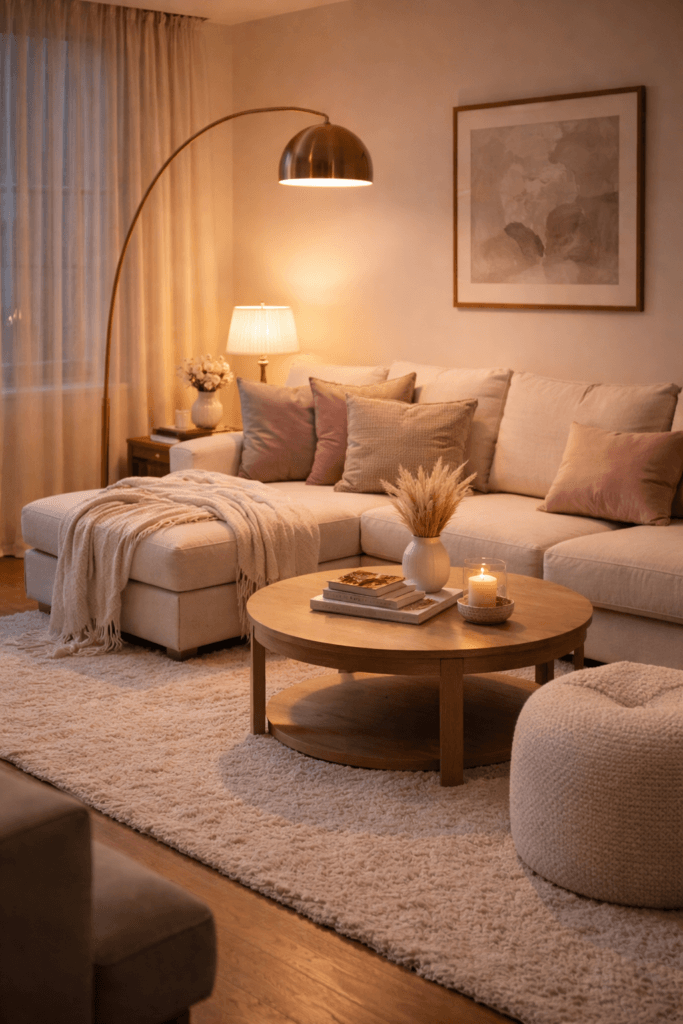
The living room benefits most from layered lighting because it is typically the largest gathering space. Relying on a single overhead fixture flattens the entire room.
Instead, combine:
- One central ceiling fixture (ambient)
- Two table lamps or one table lamp and one floor lamp (task)
- Accent lighting such as candles or LED strips behind a console (accent)
A brushed gold arc floor lamp placed beside a sectional instantly adds height and architectural presence. The curved silhouette creates movement while the warm glow softens the room.
Position lighting to balance visual weight. If one side of the room feels heavy because of a large sofa or dark furniture piece, place a lamp on the opposite side to restore symmetry.
For a full breakdown of proportion and balance, revisit our guide on how to make a home look expensive on a budget.
The Bedroom: Softness Over Brightness
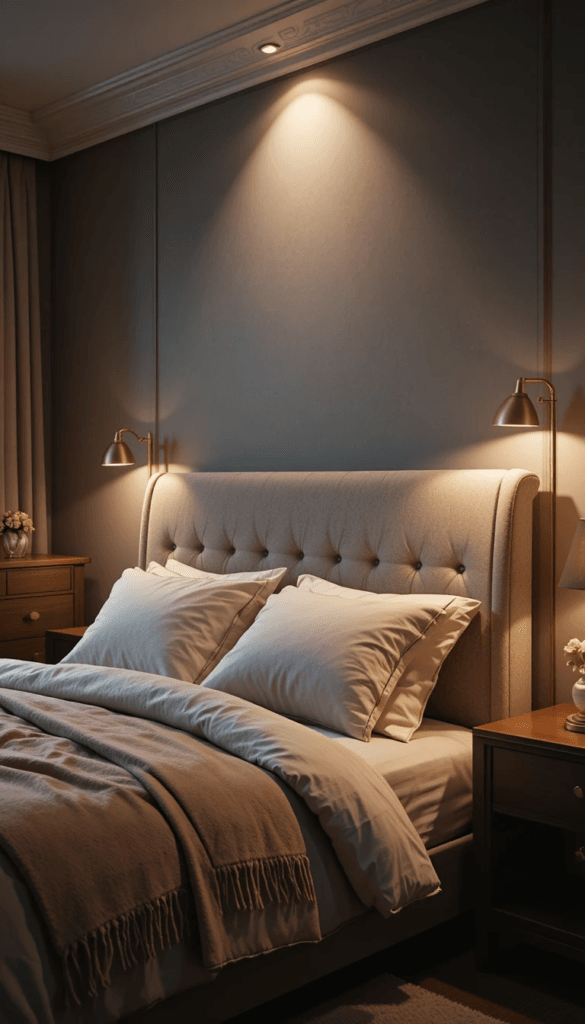
Bedrooms should never rely solely on overhead lighting. Harsh ceiling light removes the softness that makes hotel rooms feel luxurious.
Instead, install matching bedside lamps to frame the bed. This symmetry instantly elevates the space.
Add a third source of light, such as a small accent lamp on a dresser or a subtle LED strip behind the headboard.
Warm bulbs are essential in the bedroom. Lighting in the 2700K range creates glow instead of glare.
Design experts at Elle Decor often highlight layered bedside lighting as a foundational luxury principle. The effect is calm, balanced, and refined.
The Entryway: First Impression Lighting
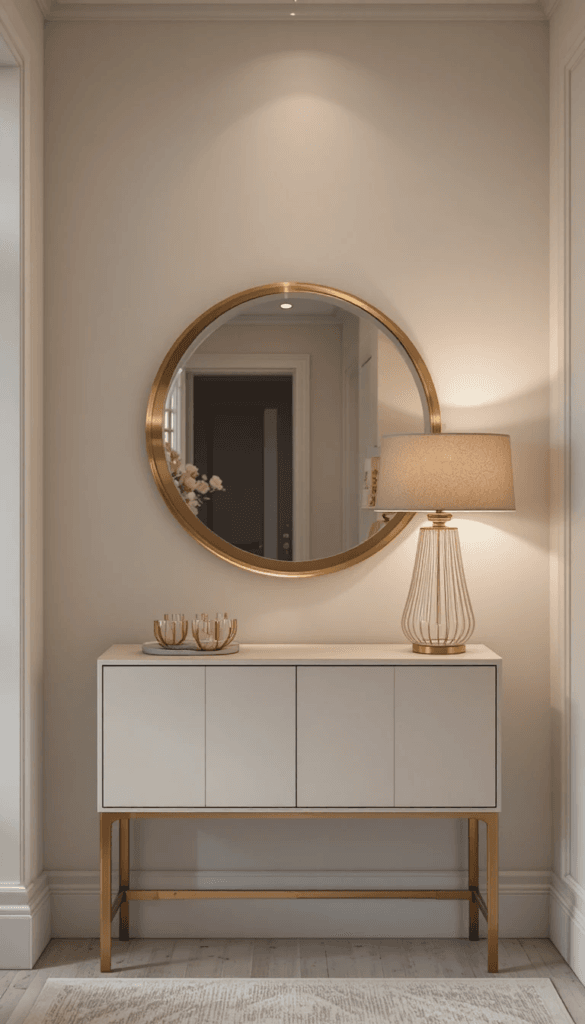
The entryway is often overlooked, yet it sets the tone for the entire home.
A single overhead light in this space feels flat and uninspired. Replace it or supplement it with a table lamp on a console. The added warmth immediately makes the home feel more welcoming.
Position a mirror nearby to reflect the lamp’s glow. Reflection amplifies light and creates dimension.
If your entry still feels slightly unfinished, clutter may be the issue. Our article on the subtle design mistakes that make a home look cheap explains how overcrowding reduces perceived value.
The Dining Area: Controlled Ambiance
Dining spaces benefit from controlled lighting rather than brightness.
If you have a chandelier, use dimmable bulbs whenever possible. Dimming capabilities allow the room to transition from functional to intimate.
Layer additional lighting through a nearby sideboard lamp or wall sconces to avoid harsh overhead shadows.
Lighting should highlight the table, not overwhelm it.
The Bathroom: Subtle Elevation
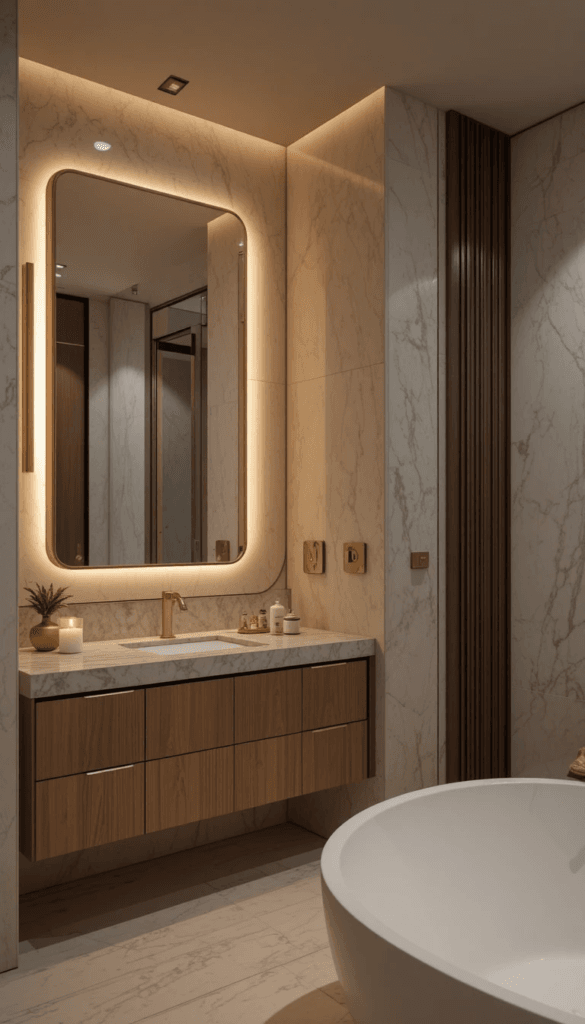
Bathrooms often rely entirely on vanity lighting and ceiling fixtures. While functional, this setup lacks dimension.
Adding a small accent light, such as a warm LED strip under floating cabinetry or a candle near the bathtub, instantly elevates the mood.
Layered lighting transforms the bathroom from purely practical to spa-like.
Strategic Product Anchor: The Arc Floor Lamp
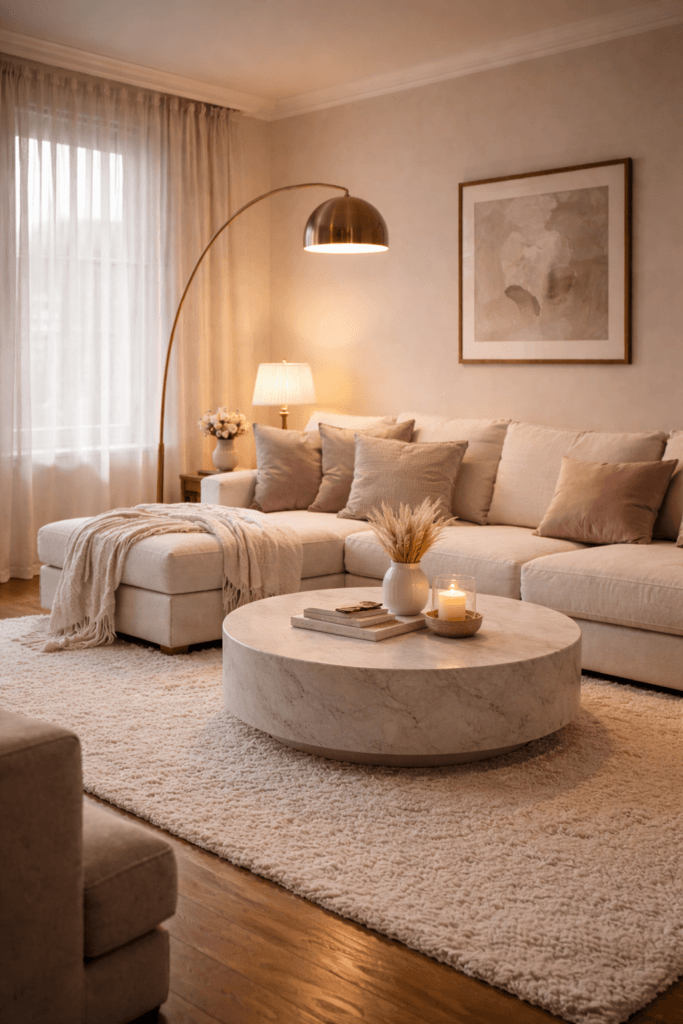
If you implement only one change, add a statement floor lamp.
A brushed gold arc floor lamp creates vertical interest and introduces warmth at eye level. Unlike ceiling fixtures, it directs light horizontally, enhancing depth across the room.
Place it near seating areas to create a glow zone. The difference is immediate.
Lighting at multiple heights — floor, table, wall — is what distinguishes high-end interiors from average ones.
The Luxury Test
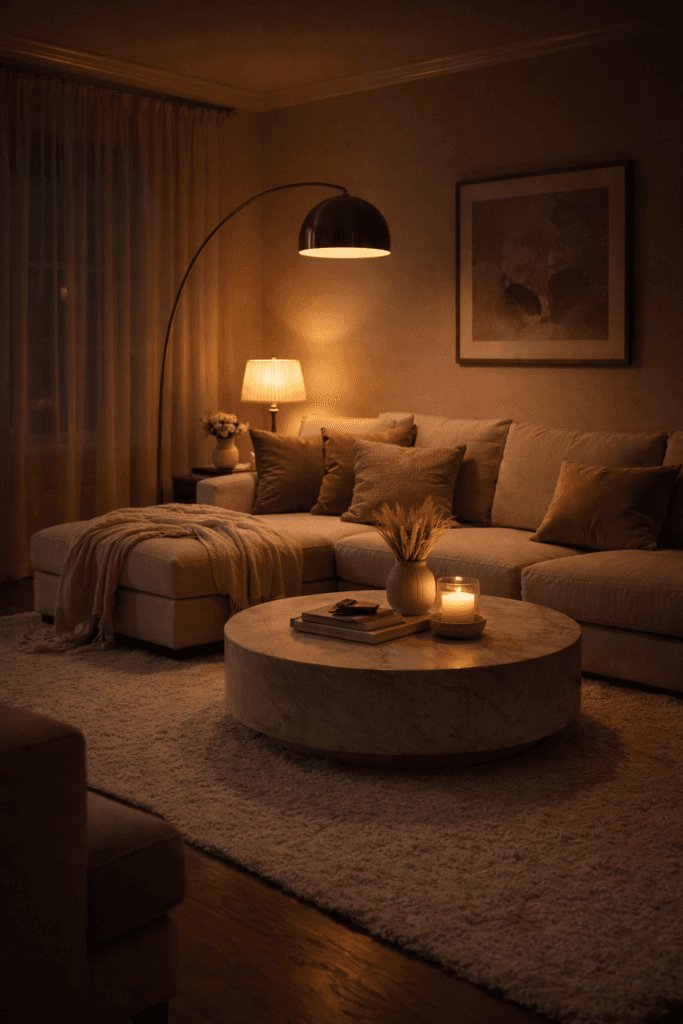
After layering lighting in each room, conduct the evening test again.
Turn off all overhead lights. Leave only lamps and accent lighting on.
If the room feels calm, dimensional, and intentional, you have applied the designer lighting rule correctly.
If it still feels flat, add one more light source at a different height.
Lighting is not decoration. It is structure. Once layered correctly, everything else in the room looks more expensive.
The Psychology of Lighting and Why It Signals Luxury
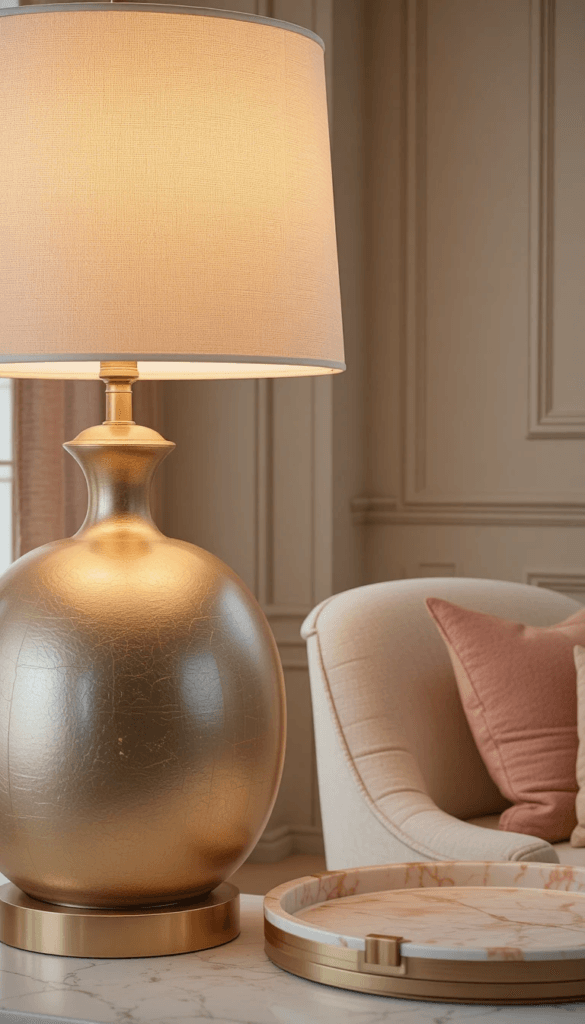
Lighting does more than illuminate a space. It communicates value.
When light is harsh, flat, or uneven, the room feels unfinished. When light is layered, warm, and intentional, the space feels elevated. This shift is not accidental. It is psychological.
The designer lighting rule works because it influences how the eye processes depth, shadow, and texture.
Why Warm Light Feels Expensive
Color temperature directly affects emotional perception.
Cool white light can make walls appear sterile and fabrics feel lifeless. In contrast, warm light enhances undertones, deepens textures, and softens contrast.
Blush tones look richer under warm lighting. Gold finishes glow instead of glare. Neutral palettes appear intentional rather than plain.
Publications like House Beautiful consistently emphasize warm layered lighting as a defining feature of luxury interiors.
If your room feels expensive during the day but falls flat at night, color temperature is often the missing element.
Shadow Creates Depth
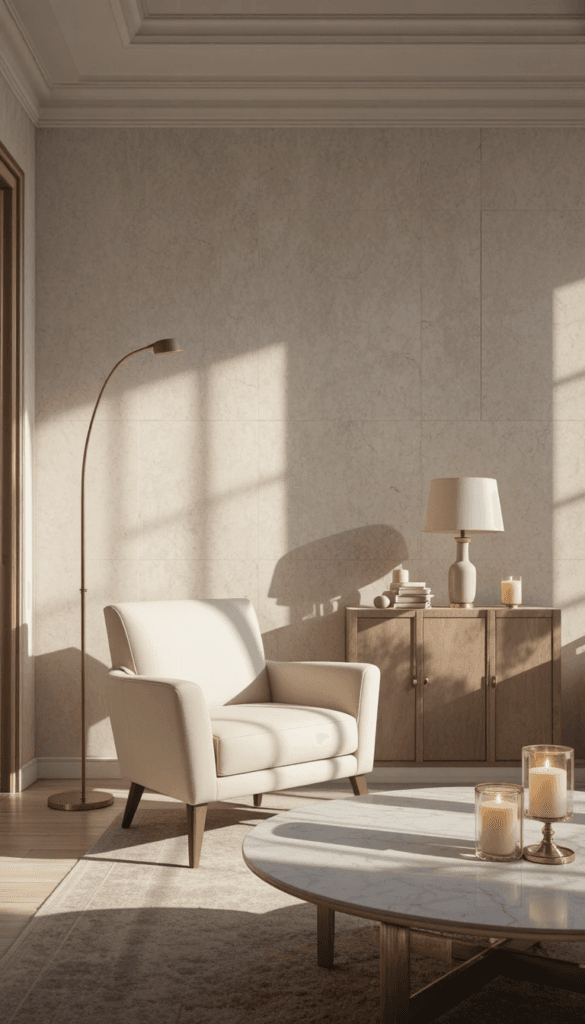
Luxury interiors are not evenly bright. They contain shadow.
Layered lighting creates soft gradients across walls and surfaces. Those gradients create dimension. Dimension creates visual interest.
Overhead lighting removes shadow entirely, which makes rooms feel two-dimensional. By adding lamps at different heights, you reintroduce controlled shadow.
This is why turning off ceiling lights immediately improves atmosphere.
Lighting and Proportion Work Together
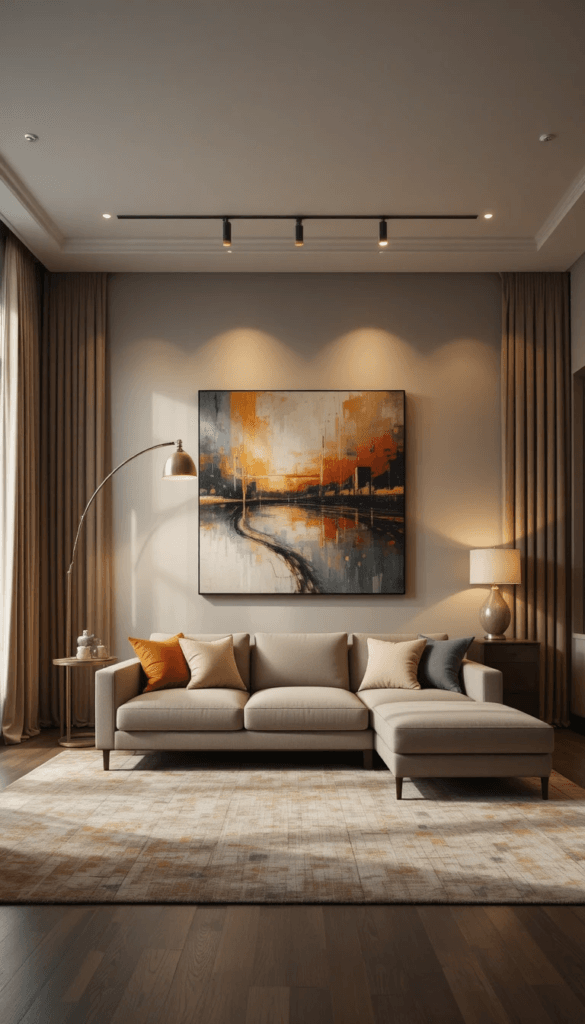
Even perfectly layered lighting cannot compensate for poor scale.
If a rug is too small or art is undersized, lighting may highlight those imbalances rather than correct them.
For a deeper explanation of how proportion and lighting work together, review our full breakdown of how to make a home look expensive on a budget.
Lighting enhances what is already structured correctly. It is not a substitute for balance.
Repetition Builds Cohesion
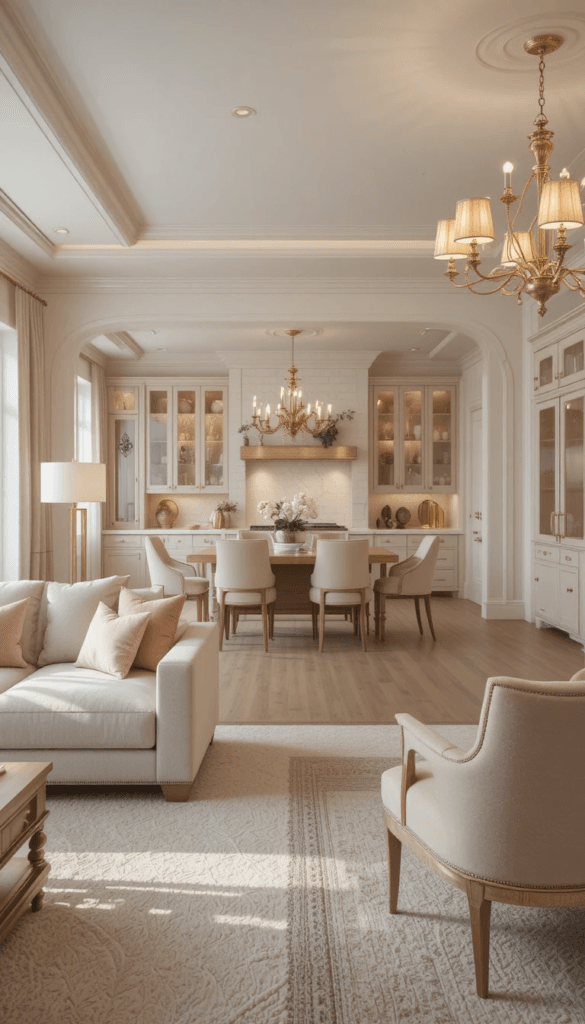
High-end interiors repeat finishes and tones consistently.
If your lighting fixtures are brushed gold in one room, continue that finish elsewhere. Consistency builds rhythm.
Mixing chrome, brass, matte black, and gold randomly can create subtle tension that lowers perceived refinement.
When lighting finishes feel unified, the entire home feels cohesive.
The Three-Level Luxury Checklist
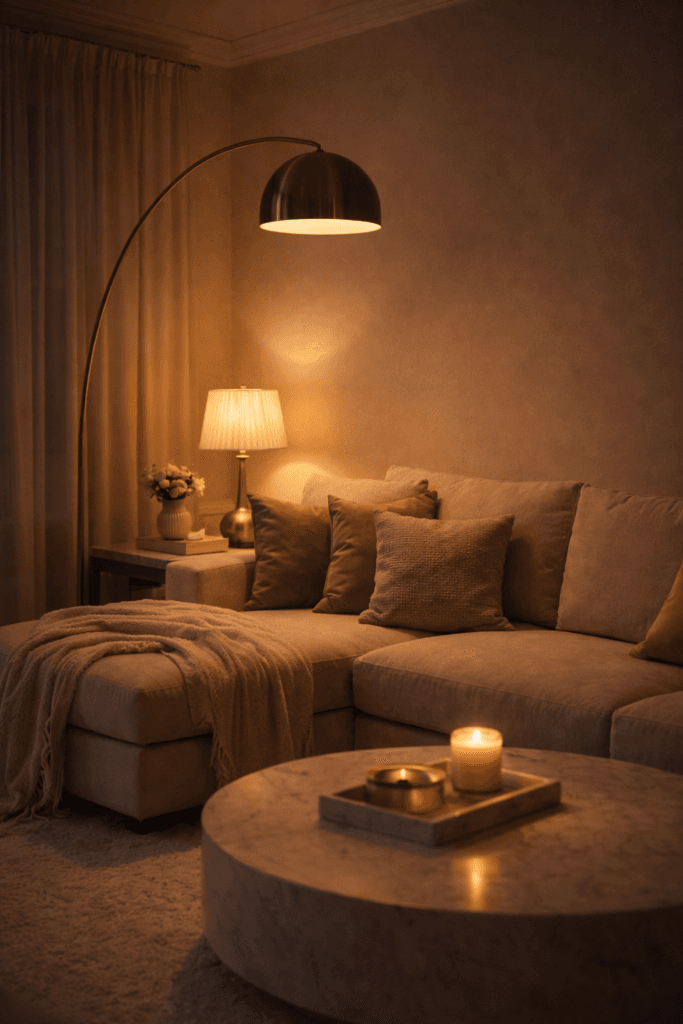
To determine whether your lighting strategy feels expensive, evaluate each room against this checklist:
- At least three light sources
- Light positioned at different heights
- Warm bulb temperature (2700K–3000K)
- No reliance on overhead lighting alone
- Balanced placement across the room
If any of these elements are missing, the space may feel flat.
Common Lighting Mistakes That Lower Value
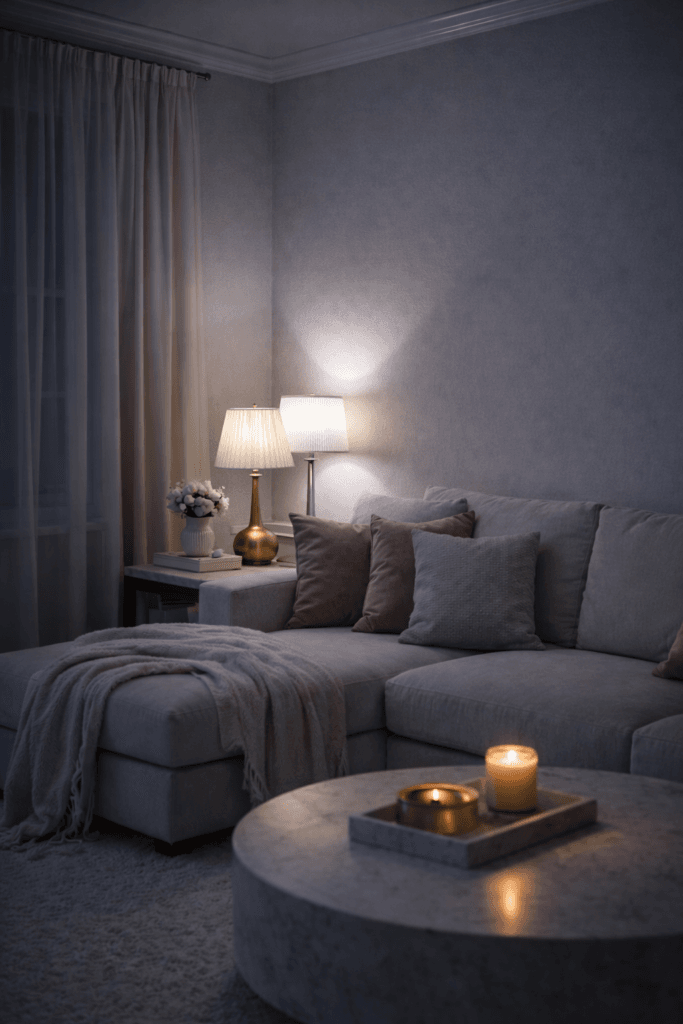
Several subtle lighting decisions can quietly reduce perceived luxury:
- Using mismatched bulb temperatures
- Placing lamps only in corners
- Overcrowding surfaces around light sources
- Ignoring dimmer switches
- Choosing fixtures that are undersized
If clutter is contributing to the issue, our guide on design mistakes that make a home look cheap explains how editing surfaces increases visual impact.
The Evening Luxury Test
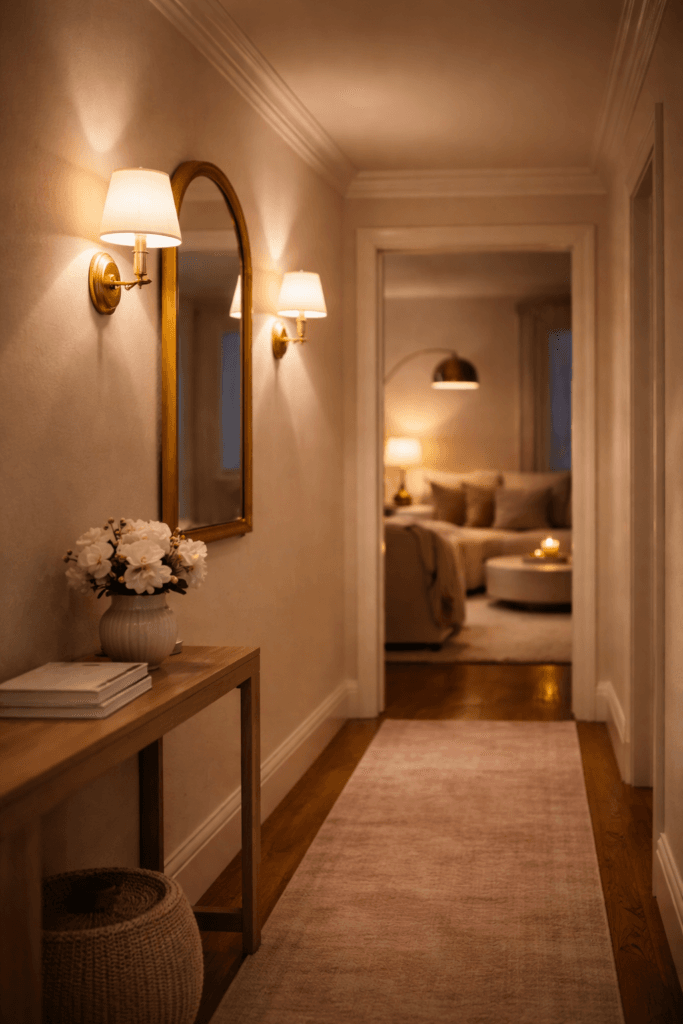
Luxury design is most noticeable after sunset.
Walk through your home at night and observe how each room feels.
Notice whether the light creates warmth, draws attention to focal points, and enhances the depth of surrounding textures.
If the answer is yes, the designer lighting rule is working.
If the space feels bright but flat, add one more light source at a different height.
Lighting Is Structure, Not Decoration
Many homeowners treat lighting as an accessory. Designers treat it as architecture.
Before purchasing new furniture, before replacing decor, before adding more accessories — refine your lighting.
Once light is layered correctly, every other element in the room appears more intentional.
The designer lighting rule that makes any home look expensive is not complicated. It requires awareness, repetition, and strategic placement.
Layer the light. Warm the tone. Vary the height.
The transformation is immediate.
Bellencinista Notes
Layer lighting at three heights, switch to warm 2700K bulbs, balance lamps across the room, and turn off harsh overhead lights at night. Light creates depth, shadow creates dimension, and dimension creates luxury.