
Expensive Home on a Budget: How to Make Your Space Look Luxury
July 12, 2026
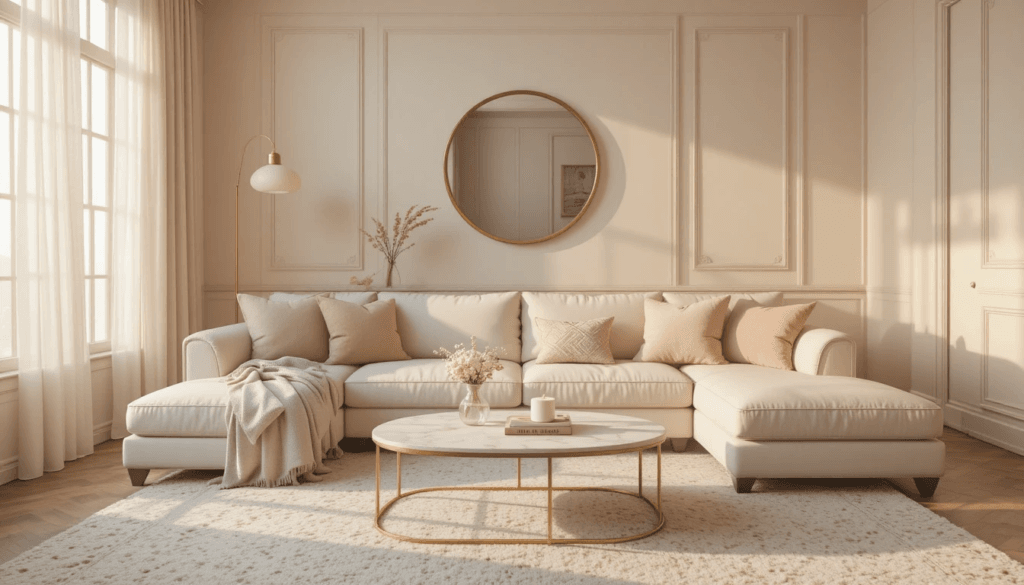
The Foundation of an Expensive Home on a Budget
Trending Finds Readers Are Loving
Explore affordable luxe discoveries people are clicking on right now.
See What's TrendingUnderstanding how to make your home look expensive on a budget begins with redefining what “expensive” actually means. Luxury is not determined by price. It is defined by cohesion, proportion, lighting, and restraint. High-end interiors feel intentional. They feel balanced. They feel curated rather than accumulated.
An expensive home on a budget is built through discipline. When every decision supports a unified aesthetic, the space elevates naturally.
Cohesion Is the First Indicator of Luxury
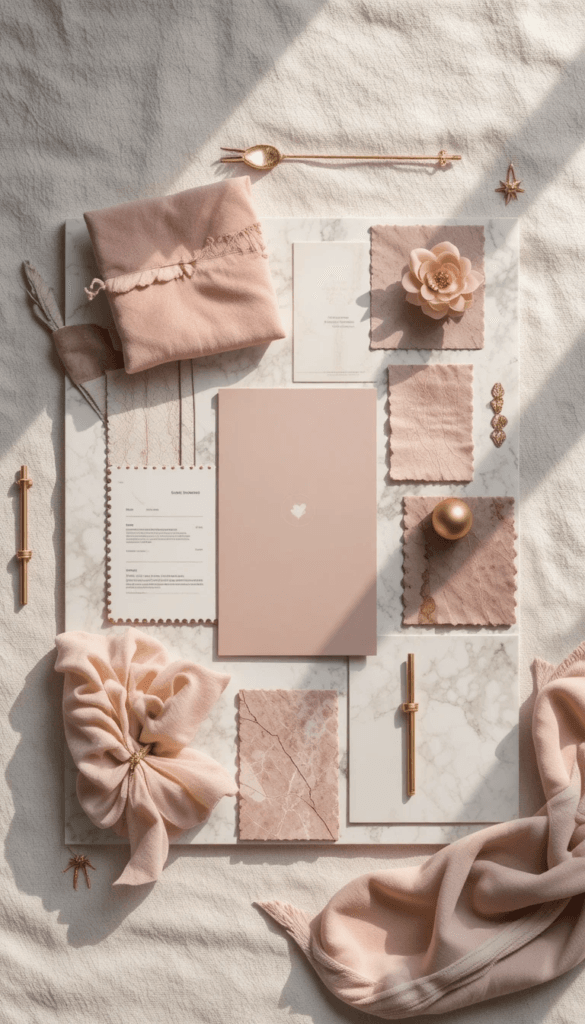
One of the fastest ways to make a home look inexpensive is visual inconsistency. Mixing multiple design styles, clashing undertones, or combining different metallic finishes creates subtle tension that the eye immediately detects.
Instead, choose a defined direction. A soft glam blush and gold palette creates warmth without overwhelming the space. Anchor your rooms with:
- Warm neutrals like ivory, cream, or taupe
- Muted blush tones rather than bright pink
- Warm gold or brushed brass finishes
Repetition builds harmony. When gold appears in lighting, mirrors, and hardware consistently, it feels intentional. When blush reappears subtly in textiles across rooms, the home feels curated.
If your space feels slightly off but you cannot pinpoint why, subtle styling mistakes may be undermining it. Our guide on things that quietly make a home look cheap explains the most common visual missteps that instantly lower perceived value.
Follow the 60/30/10 Balance Rule
Professional designers often rely on a structured color ratio:
- 60% dominant neutral
- 30% secondary tone
- 10% accent
In a blush and gold soft glam aesthetic, that may look like:
- 60% neutral walls and large furniture
- 30% blush textiles such as pillows or throws
- 10% gold accents through lighting, mirrors, or hardware
When metallic finishes exceed the accent category, a room can shift from refined to excessive. Balance prevents overwhelm. Balance looks expensive.
Lighting Is the Most Transformative Upgrade
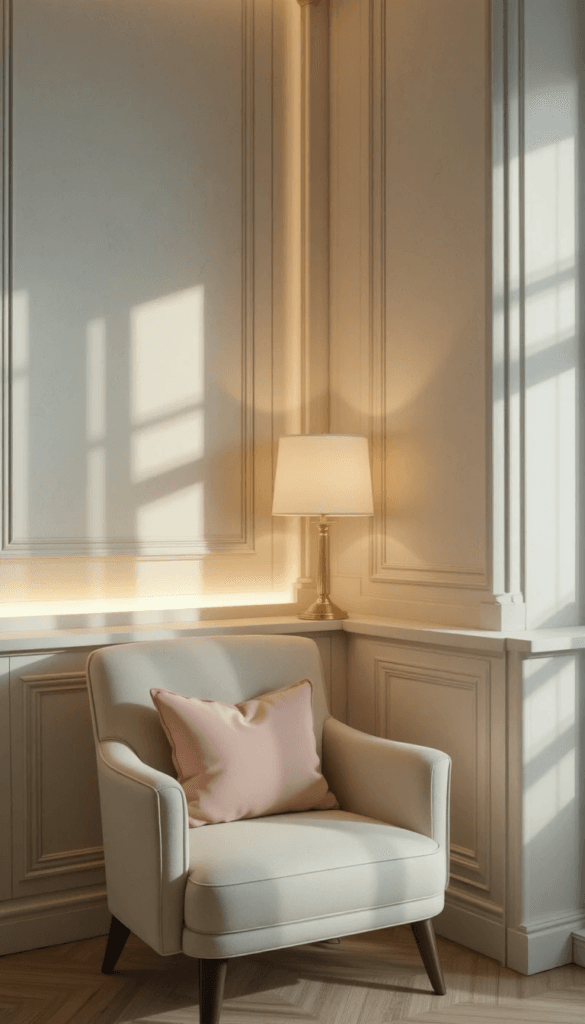
Lighting has more impact on perceived luxury than nearly any decorative item.
Design authorities like Architectural Digest consistently emphasize layered lighting as one of the defining elements of high-end interiors. A single overhead fixture flattens a room and exposes imperfections.
Instead, layer three types of lighting:
- Ambient lighting (ceiling fixture)
- Task lighting (table or floor lamps)
- Accent lighting (candles, sconces, subtle LEDs)
Warm bulbs enhance blush tones and allow gold finishes to glow. Cool white bulbs can make even expensive furniture feel harsh.
For a deeper breakdown of how lighting changes everything, explore our full guide on the lighting rule designers rely on to instantly elevate a space.
If you are working with a limited budget, upgrade lighting before purchasing new decor. The atmospheric shift is immediate.
Scale Signals Sophistication
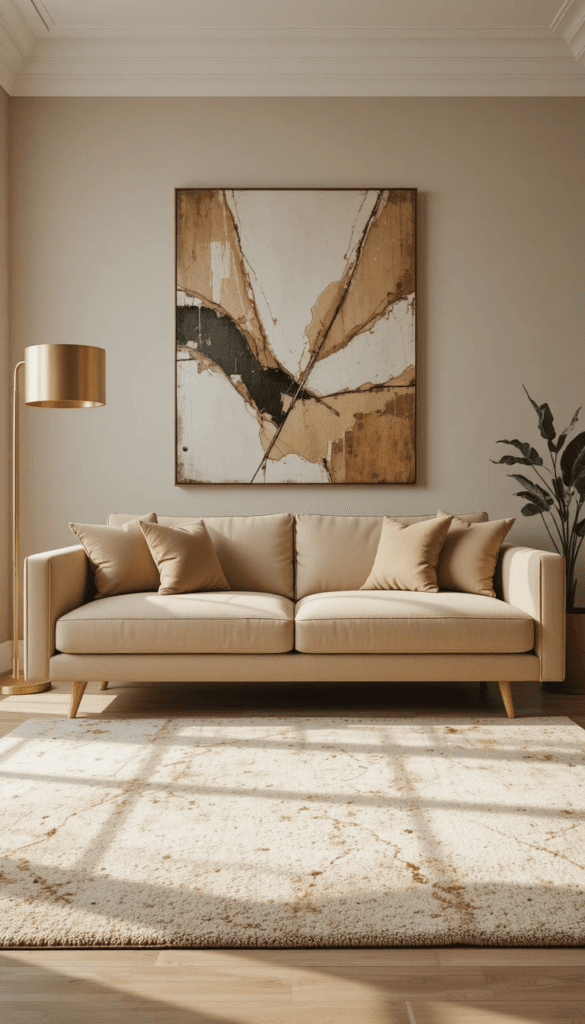
Scale is one of the most overlooked elements in creating an expensive home on a budget.
Small rugs make rooms look unfinished. Tiny art pieces shrink walls. Undersized lighting fixtures reduce impact.
To elevate your space:
- Choose rugs large enough to anchor furniture
- Hang curtains higher than the window frame
- Use oversized mirrors to reflect light
- Select one bold statement piece instead of multiple small accents
Large-scale elements create visual confidence. Confidence feels luxurious.
Texture Over Clutter
Many homeowners attempt to make their space look expensive by adding more decor. High-end interiors focus on layered texture rather than layered objects.
- Velvet cushions
- Linen drapery
- Bouclé accent chairs
- Marble trays
- Brushed gold finishes
Texture creates depth. Clutter creates distraction.
High-end spaces breathe. Negative space highlights what remains.
Editing Is a Luxury Skill
One of the simplest ways to refine a space is to remove one item from every major surface.
A cluttered coffee table often needs one accessory removed. Overfilled bookshelves benefit from clearing a single object. When a wall feels visually overwhelming, scaling back the artwork restores balance. True refinement comes from subtraction.
Luxury is not about accumulation. It is about intentional selection. The foundation of an expensive home on a budget is clarity, cohesion, and control.
Room-by-Room Soft Glam Elevation
Once the foundation is in place, learning how to make your home look expensive on a budget becomes a matter of execution. Luxury is not created in one dramatic reveal. It is built room by room through consistent refinement, proportion control, and intentional layering.
A blush and gold soft glam aesthetic works beautifully because it introduces warmth and polish without overwhelming the senses. When applied strategically across spaces, the result feels elevated, cohesive, and calm.
The Living Room: Structure, Symmetry, and Glow
The living room sets the visual tone for your entire home. If this space feels balanced and refined, the rest of the house automatically benefits.
Begin with symmetry. Matching lamps on either side of the sofa, evenly spaced accent pillows, and centered artwork create structure. Symmetry communicates intention, and intention communicates luxury.
If your layout feels slightly chaotic, subtle imbalance may be the issue. Our guide on design mistakes that make a home look cheap explains how asymmetry and overcrowding quietly diminish sophistication.
Next, refine the coffee table. Instead of scattering decorative objects, group items intentionally using the rule of three:
- One candle
- One floral arrangement or sculptural object
- One structured tray or book
Grouping creates cohesion. Cohesion feels curated.
Blush can appear in velvet pillows or subtle throws layered over neutral upholstery. Gold should anchor the space through lamp bases, mirror frames, or a single metallic tray. Avoid spreading metallic finishes across every surface. Controlled repetition creates polish.
The Bedroom: Hotel-Level Calm
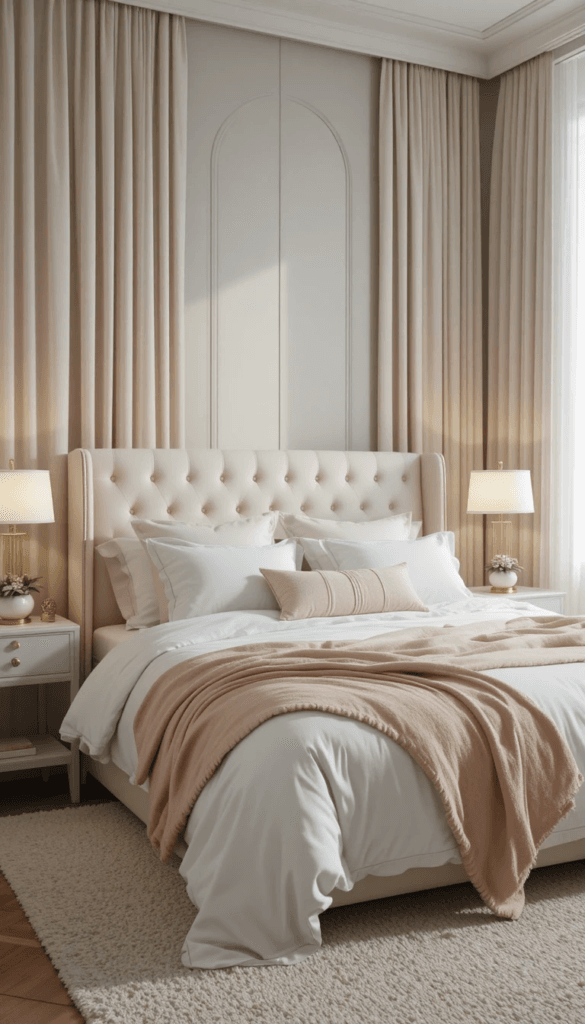
An expensive bedroom feels serene and composed. It never feels cluttered or visually loud.
Upgrade bedding first. Because the bed occupies the largest visual footprint in the room, it sets the entire tone. Layer strategically:
- Neutral fitted sheet
- Structured duvet
- Soft blush throw at the foot
- Two tailored accent pillows
- One lumbar pillow for depth
Avoid stacking excessive decorative pillows. Clean lines feel refined and intentional.
For a complete blueprint on creating five-star elegance affordably, explore our full guide to a hotel-style bedroom on a budget.
Nightstands should remain minimal. Limit them to:
- One lamp
- One small decorative object
- One book or framed piece
Leaving breathing room between objects enhances sophistication. Design publications such as Elle Decor consistently emphasize restraint as a defining feature of luxury bedrooms.
Finally, hang curtains higher than the window frame and allow them to extend toward the floor. This subtle adjustment elongates walls and adds architectural presence without renovation.
The Entryway: Quiet Luxury First Impression
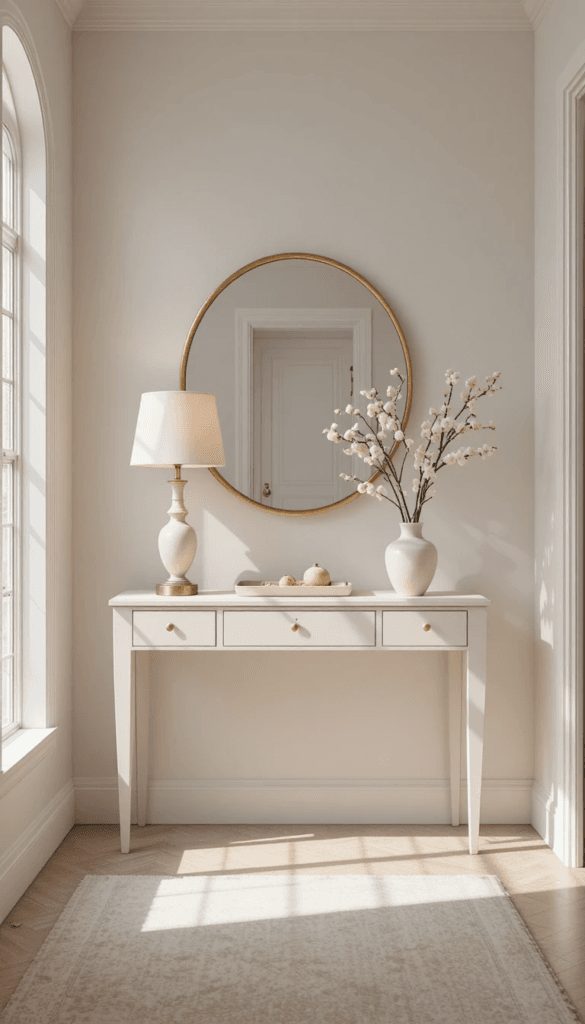
The entryway introduces your aesthetic before guests experience any other room.
Keep it streamlined and intentional:
- A slim console table
- A gold-framed mirror
- One warm table lamp
- A structured tray for essentials
Avoid overcrowding the surface. Negative space allows each element to stand out. Mirrors are particularly powerful in small entryways because they reflect light and expand visual depth.
A composed entryway signals that the rest of the home is equally curated.
The Dining Area: Understated Refinement
The dining room often becomes cluttered with small decor pieces that compete for attention. Luxury dining spaces emphasize simplicity.
Instead of scattering accessories across the table, choose one strong centerpiece:
- A tall vase with neutral florals
- A sculptural bowl
- A structured tray with candles
Keep the rest of the table clear. Open surface area enhances visual impact.
Lighting above the dining table should cast a warm glow. If replacing the fixture is not possible, switch to warm bulbs immediately. Layered lighting transforms perception.
For a deeper understanding of how lighting shapes atmosphere, revisit our guide on the designer lighting rule.
Bathrooms: Subtle Yet Powerful Upgrades
Bathrooms are small spaces, but they present strong opportunities to create an expensive home on a budget.
Upgrade cabinet hardware to warm gold. Introduce blush subtly through towels or accessories. Place soaps and everyday items on a marble or metallic tray instead of leaving them scattered.
Clear countertops instantly elevate the room. Luxury bathrooms feel spa-like because they are edited and cohesive.
Apartments and Small Homes: Strategic Scaling
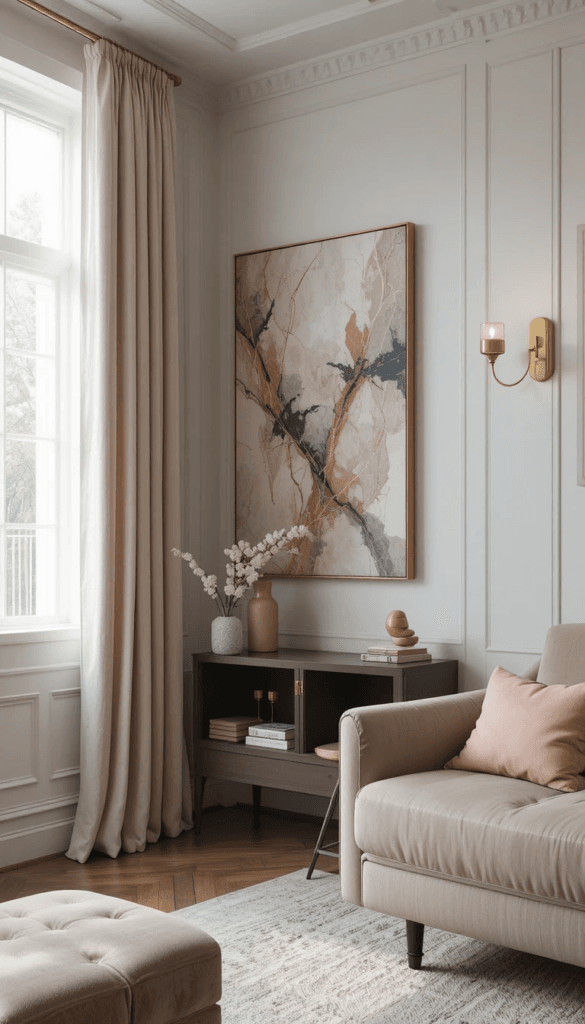
In compact spaces, proportion becomes even more critical. One of the biggest mistakes in smaller homes is choosing tiny decor and undersized furniture, which visually shrinks the room.
Instead:
- Use one larger art piece instead of multiple small frames
- Install full-length curtains
- Choose rugs that fill the seating area
- Incorporate oversized mirrors
Larger elements create the illusion of spaciousness.
If you are working within rental limitations, our guide on how to make an apartment look expensive without renovating outlines rental-friendly upgrades that maintain elegance.
For tighter layouts specifically, see our strategy for making a small home look luxury through scale and layout control.
When blush and gold accents repeat subtly from room to room, continuity forms. Continuity feels curated. Curated feels expensive.
The Psychology Behind an Expensive Home
By this point, you understand the structural elements required to create an expensive home on a budget. However, what truly separates ordinary interiors from elevated spaces is psychological discipline. Luxury is rarely about what you add. It is about what you refine, repeat, and remove.
High-end interiors operate on quiet design principles that influence how a space feels emotionally. When those principles are applied consistently, even modest rooms begin to feel curated and sophisticated.
The Remove-One-Thing Rule
One of the simplest luxury strategies is editing. Expensive homes are never overcrowded. Surfaces are intentional. Shelves breathe. Walls are not filled edge to edge.
When a room feels visually heavy, consider removing a single piece. Shelves that appear overcrowded often benefit from clearing one object. A chaotic layout can usually be corrected by streamlining the arrangement.
Many subtle clutter issues are explained further in our breakdown of the small design mistakes that quietly lower home value. Often, the problem is not what you lack — it is what you have not edited.
Luxury is selective. Selectivity signals confidence.
Visual Weight and Balance
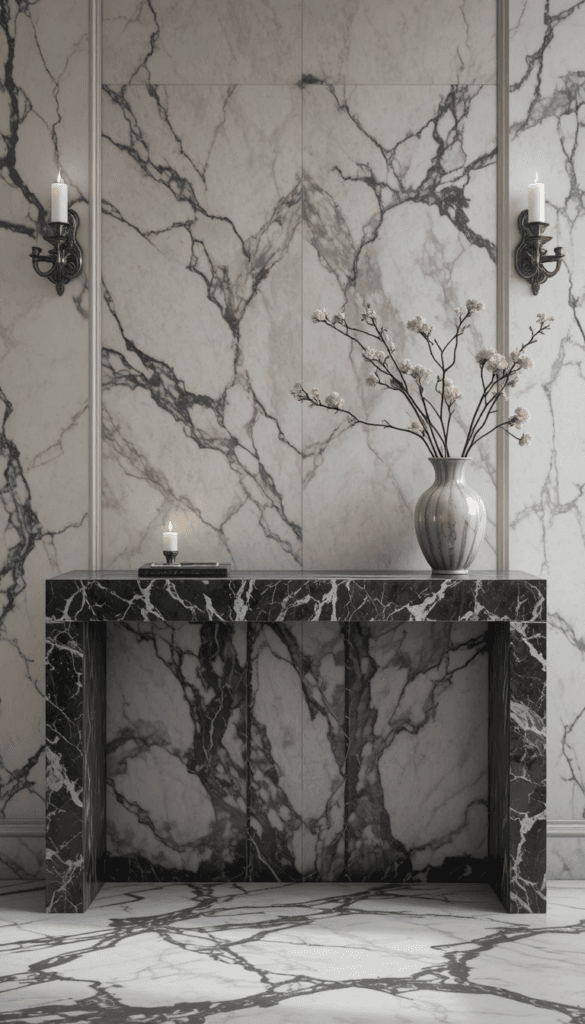
Every room carries visual weight. Dark furniture, tall lamps, and heavy materials naturally pull the eye.
In inexpensive-looking rooms, weight often clusters in one area. One corner feels heavy while another feels empty. This imbalance creates subtle discomfort.
To correct this:
- Distribute tall elements evenly
- Balance dark pieces with lighter surroundings
- Avoid grouping all statement pieces in one zone
If you need guidance on balancing scale in tighter layouts, our approach to making a small home look luxury explains how proportion affects perception.
Harmony creates calm. Calm feels expensive.
Repetition Creates Cohesion
Repetition is one of the quietest yet most powerful luxury techniques.
In a blush and gold soft glam home, repetition might look like:
- Gold hardware in the kitchen
- A gold mirror in the entryway
- Gold lamp bases in the bedroom
Blush may reappear subtly in:
- Living room pillows
- Bedroom textiles
- Bathroom accents
This rhythm ties the entire home together. Inconsistent finishes create confusion. Repeated finishes create cohesion.
If you are refining your palette further, our guide on blush and gold home color combinations explores how undertones influence elegance.
Lighting Shapes Emotion
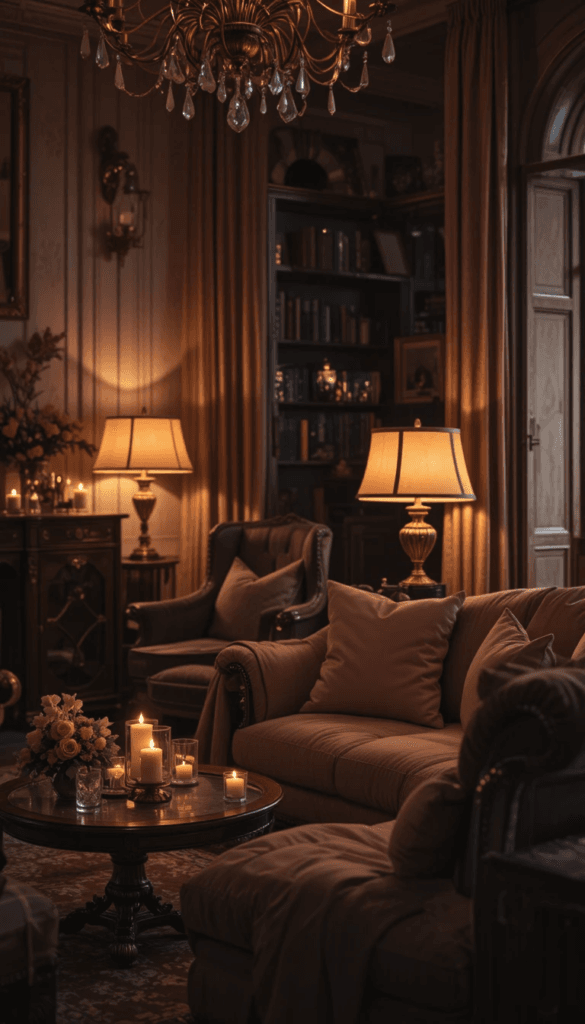
Lighting does more than illuminate. It defines mood.
Publications such as House Beautiful frequently highlight the emotional impact of layered lighting in luxury homes. Warm, diffused light softens edges and enhances texture.
An expensive home on a budget always prioritizes:
- Warm bulbs
- Multiple light sources
- Soft shadows
- Evening ambiance
Turn off harsh overhead fixtures whenever possible. Rely on table lamps and floor lamps to create depth.
For a more detailed breakdown, revisit our full explanation of the designer lighting rule and how it transforms atmosphere.
Quality Over Quantity
Luxury interiors emphasize fewer, stronger elements.
Instead of purchasing multiple small decorative pieces, invest in one or two statement items that anchor the room.
- One oversized art print instead of five small frames
- One marble tray instead of scattered accessories
- One elegant chandelier instead of several minor fixtures
High-end homes are defined by restraint, not accumulation.
Flow Between Rooms
A truly expensive home feels connected from room to room.
The blush pillow in the living room may echo the bedding in the bedroom. The gold hardware in the kitchen may match the mirror frame in the entryway.
This repetition creates flow. Flow builds continuity. Continuity feels curated.
If you are refining a rental space specifically, our guide on how to make an apartment look expensive outlines how to maintain continuity without permanent renovations.
The Luxury Mindset
Ultimately, learning how to make your home look expensive on a budget requires a mindset shift.
Luxury is defined not by excess but by intention. Thoughtful editing shapes the space. Balanced proportion brings harmony, while cohesive lighting and controlled repetition create refinement.
Blush softens a space. Gold elevates it. Warm lighting transforms it. Strategic restraint refines it.
When these principles are applied consistently, your home will feel elevated regardless of square footage or spending level.
An expensive home on a budget is not about imitation. It is about intentional design decisions that create harmony and confidence.
Bellencinista Notes
Swap outdated hardware for warm gold, use larger rugs to anchor furniture, hang curtains higher to elongate walls, layer warm lighting, and remove one excess item per surface. Strategic editing and repetition create an expensive look without overspending.