
Vintage European Castlecore: How to Create a Collected Old-World Home
April 19, 2026
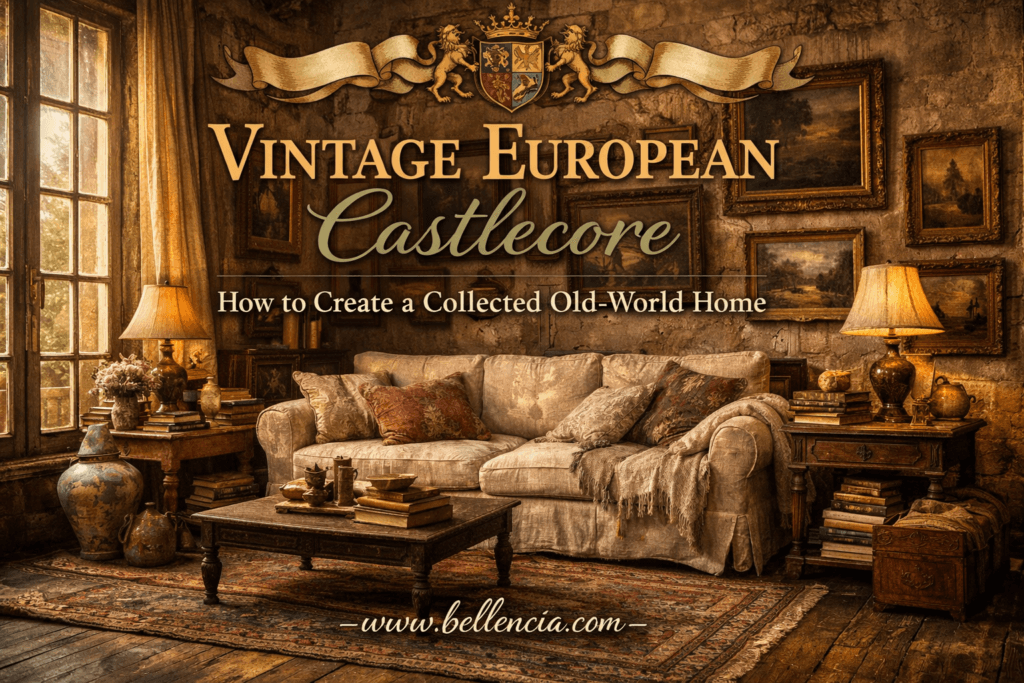
Introduction: The Beauty of Homes That Look Like They’ve Lived a Long Life
Trending Finds Readers Are Loving
Explore affordable luxe discoveries people are clicking on right now.
See What's TrendingIf Royal Castlecore is about composure and Enchanted Cottage Castlecore is about warmth, Vintage European Castlecore is about memory, patina, and the quiet romance of time itself. This aesthetic doesn’t try to look new, perfect, or freshly installed. Instead, it looks as though the home has existed for generations—shaped slowly by use, travel, inheritance, and everyday life.
Think of the apartment above the old café in Paris, a townhouse in Florence with worn terracotta floors, or a countryside manor filled with mismatched chairs and oil paintings. These spaces are not styled—they are accumulated. Their beauty comes from layers, from repetition, from objects that have stayed because they proved useful and meaningful.
This guide goes far beyond surface styling. It explains how to build a home that feels collected, anchored, and historically dense even if you are starting from a blank, modern space.
1. What Vintage European Castlecore Is (And What It Is Not)
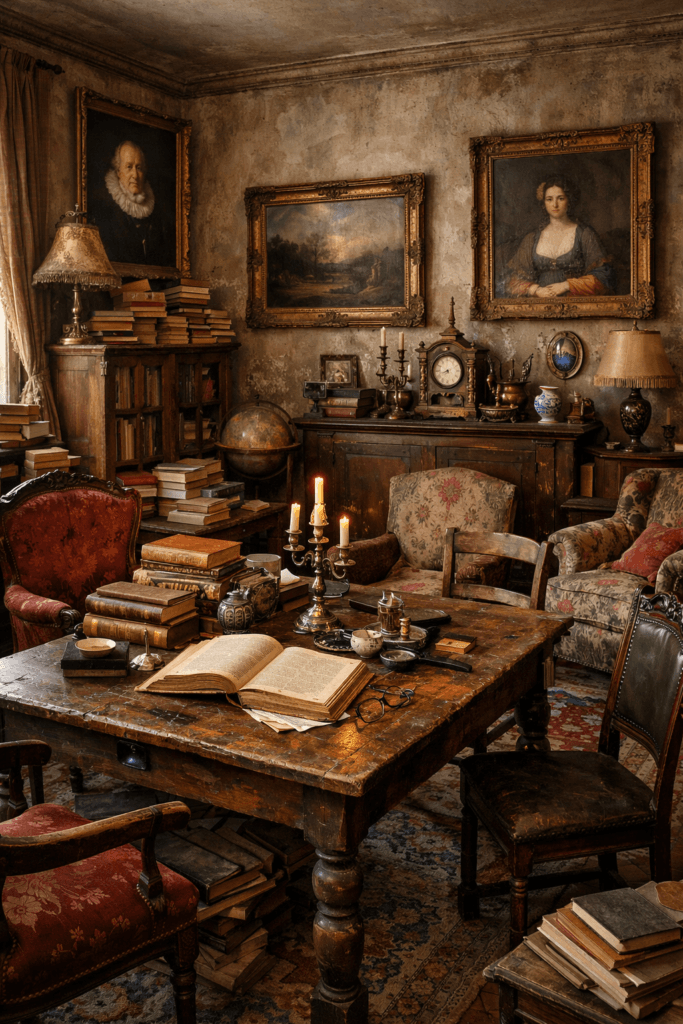
Vintage European Castlecore is less a look and more a way of building rooms over time. Before choosing furniture or colors, it helps to understand the boundaries of the style so decisions stay coherent. This section sets the framework: what belongs, what doesn’t, and why restraint matters as much as abundance. Think of it as the rules of the language you’re about to speak. Once the rules are clear, every choice becomes easier.
Vintage European Castlecore sits at the intersection of Castlecore, European vintage, and collected interiors—but it is not a theme or costume.
It is:
- Rooted in European architectural traditions and old interiors
- Layered, collected, and soulful rather than coordinated
- Built from materials that age well and show wear honestly
- Focused on visual depth, texture, and continuity
- About rooms that look lived in and useful
It is not:
- A matching set or a single shopping trip
- Minimalist or empty
- Trend-driven
- Precious or fragile
- About perfection
A helpful test: if a room looks like it could be fully replaced in one weekend, it probably isn’t this style. This aesthetic should look slow.
2. The Emotional Core: Why Old-World Spaces Feel So Comforting
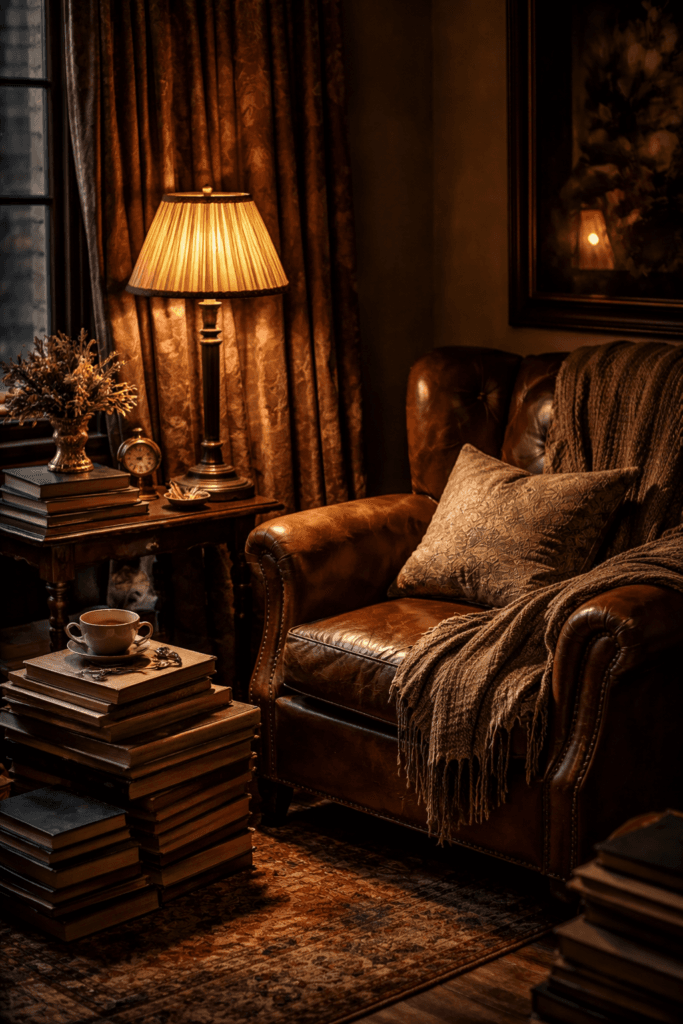
Every enduring interior style works because it supports how people actually want to feel at home. Vintage European Castlecore is built around emotional safety, continuity, and visual calm rather than excitement or novelty. This section explains why patina and wear are not flaws, but assets. When you understand the emotional mechanics, you stop chasing trends and start building permanence.
Humans are deeply comforted by environments that show signs of life and continuity. Worn wood, softened edges, faded textiles, and layered objects all signal safety and permanence.
Old-world spaces don’t try to impress. They receive you. They suggest that many lives have passed through and that yours belongs there too. This is why these rooms feel emotionally grounding rather than stimulating.
When building this style, ask: Does this make the room feel more settled—or more staged? Always choose settled.
3. The Color Palette: Warm Neutrals, Muted Colors, and Time-Softened Tones
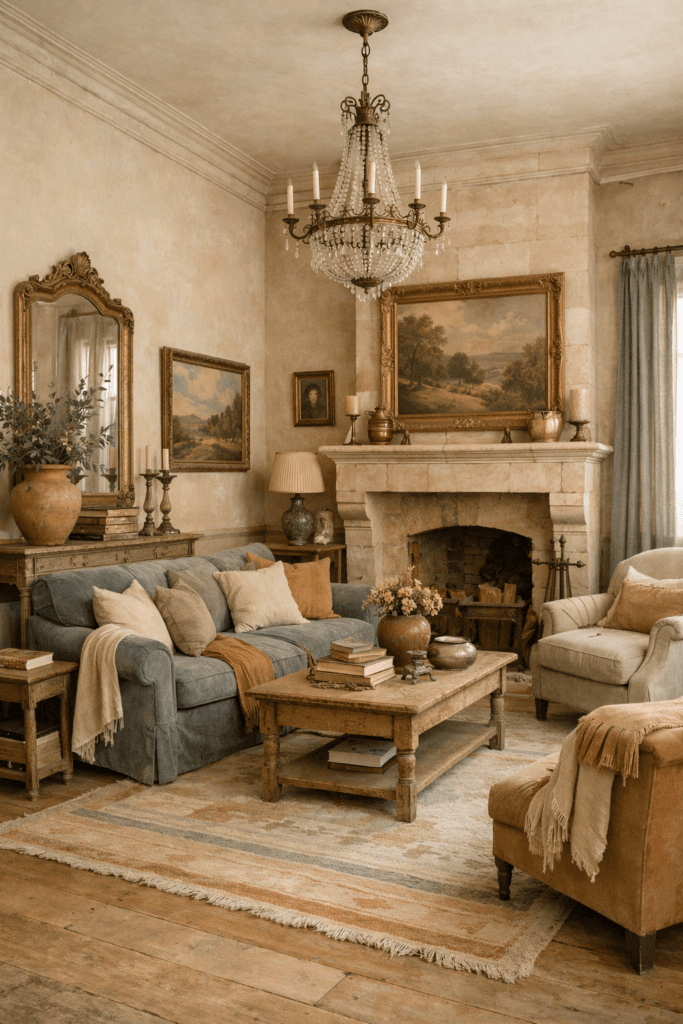
Color in this style should never be the star—it should be the background hum. The goal is not contrast, but continuity. This palette works because it allows materials, art, and furniture to carry the story. Think of color as atmosphere rather than decoration.
The palette should look as though it has faded gently over decades.
Base tones:
- Warm cream
- Soft stone
- Aged white
- Mushroom
- Warm greige
Accents:
- Faded blue
- Muted olive
- Burgundy
- Soft terracotta
- Antique gold
Avoid crisp black-and-white contrast or modern high-saturation colors. Instead, aim for low-contrast harmony where nothing shouts.
4. Materials That Make the Style Believable
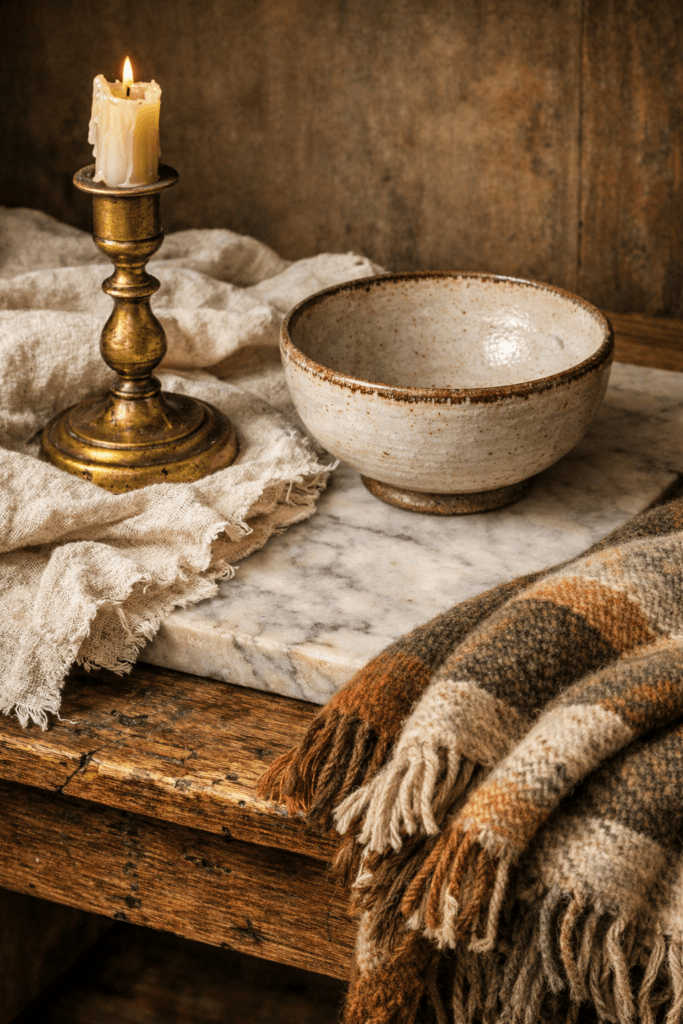
Materials are the backbone of this aesthetic. Without the right material language, even the best layout will feel like a set. This section explains what to prioritize, what to avoid, and why some surfaces actually look better as they age. The goal is durability that becomes more beautiful with time.
This aesthetic lives in materials that age beautifully and gain character through use.
Prioritize:
- Wood (especially worn or imperfect)
- Stone and marble
- Linen and cotton
- Wool
- Brass, iron, and bronze
- Ceramic and porcelain
Avoid:
- Glossy finishes
- Plastics
- Laminates
- Anything that looks disposable
If a surface looks better when it is used rather than worse, it belongs here.
5. Architecture Without Renovation: Suggesting European Bones
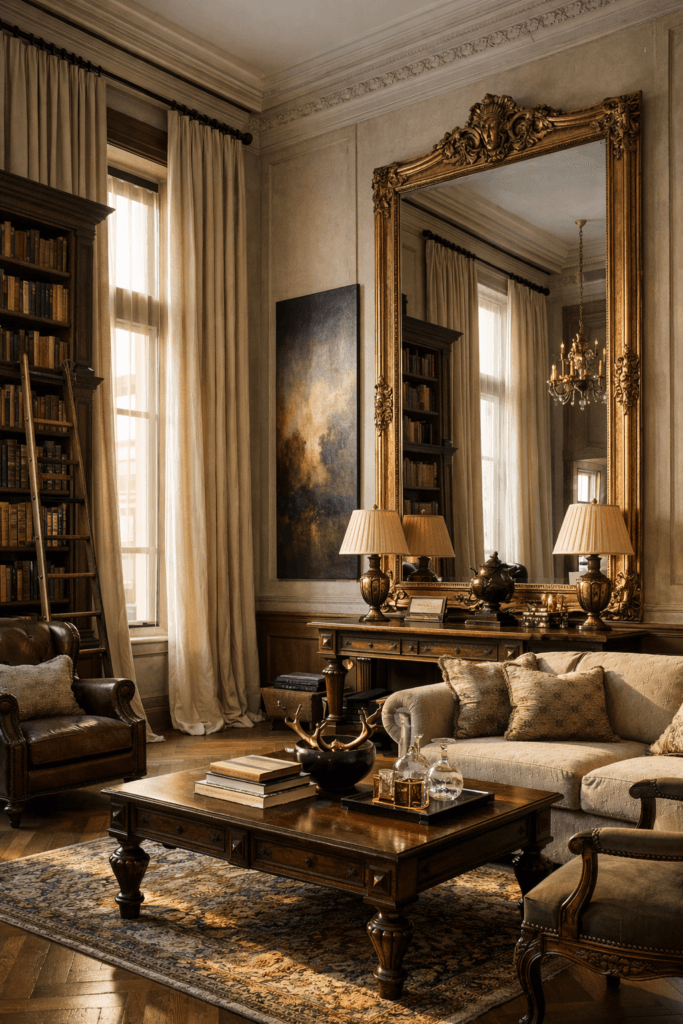
You don’t need to own a château to suggest old-world structure. Visual proportion and emphasis can do most of the work. This section shows how to fake architectural depth using placement, scale, and repetition. It’s about implication, not reconstruction.
Even modern homes can suggest old-world architecture through proportion and emphasis.
Use:
- Tall curtains mounted high and wide
- Large mirrors to imply height and depth
- Heavy or paneled furniture
- Vertical emphasis in bookcases and art
You are not recreating a château—you are hinting at history.
6. Furniture: The Art of Mismatch
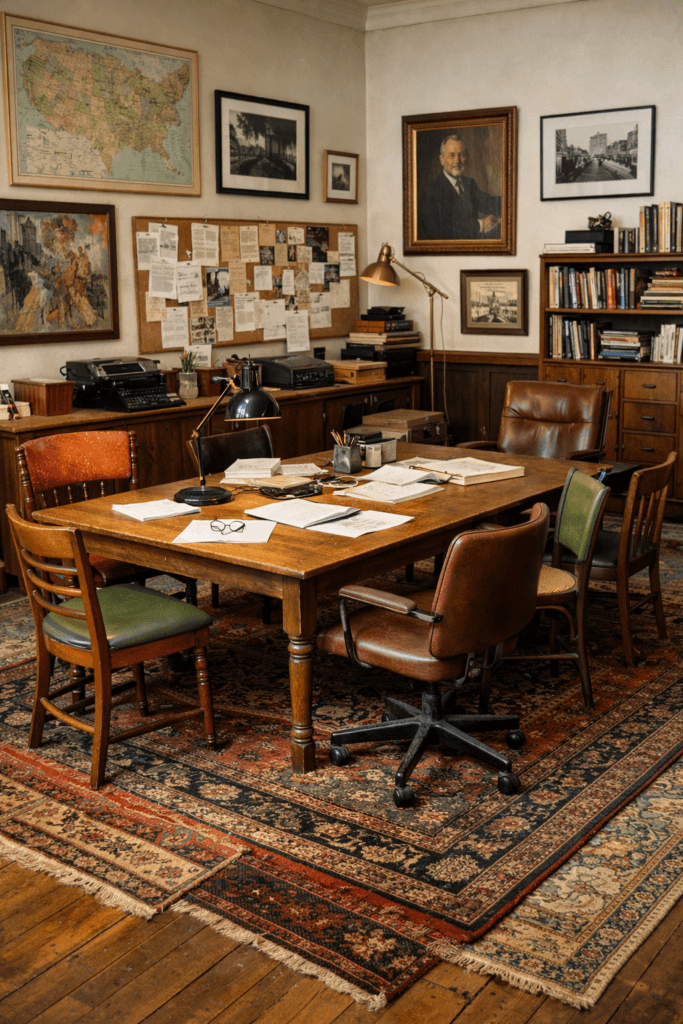
Furniture is where this style becomes truly personal. The goal is not harmony through sameness, but harmony through shared weight and presence. This section explains how to mix eras without chaos and why seriousness matters more than style labels. Each piece should look like it earned its place.
Furniture should never look like a set.
Aim for:
- Different woods
- Different eras
- Different silhouettes
- A shared sense of weight and seriousness
The unifying factor is not style—it is presence. Each piece should look like it could stay for decades.
7. The Role of Textiles: Softness, Weight, and Patina
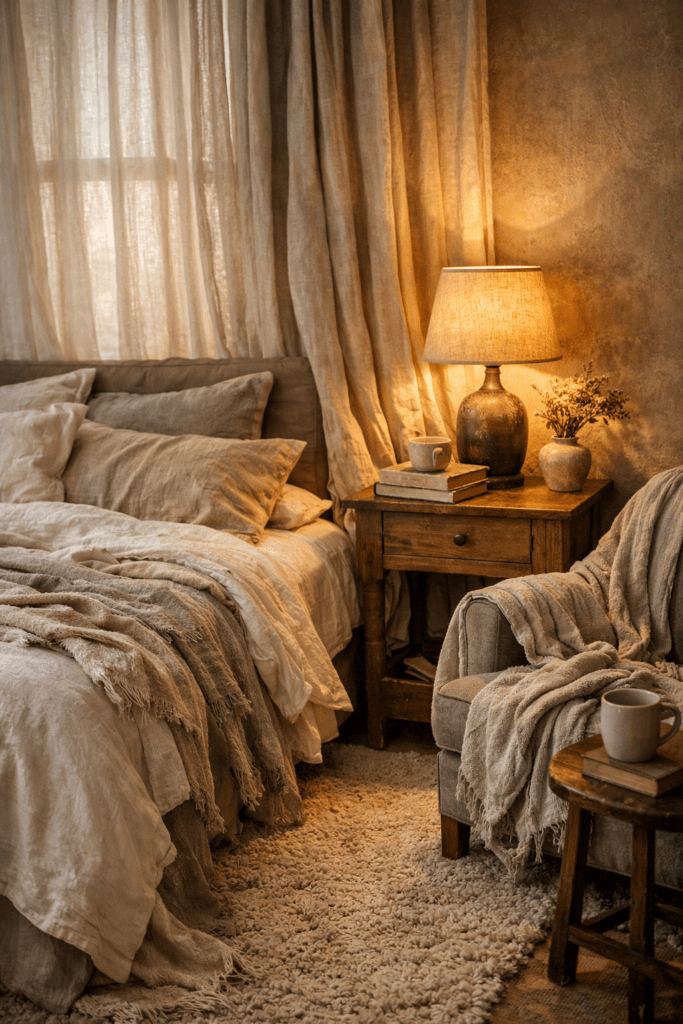
Textiles control comfort, acoustics, and emotional temperature. In old-world spaces, they also control time—they fade, soften, and settle. This section shows how to layer fabrics so rooms feel warm without feeling heavy. Think of textiles as the quiet glue that holds everything together.
Textiles provide warmth and absorb sound and light.
Use:
- Linen curtains
- Wool rugs
- Cotton bedding
- Faded or subtle patterns
- Heavier throws in colder seasons
They should look lived-in, not crisp or hotel-perfect.
8. Lighting: Creating Depth and Shadow
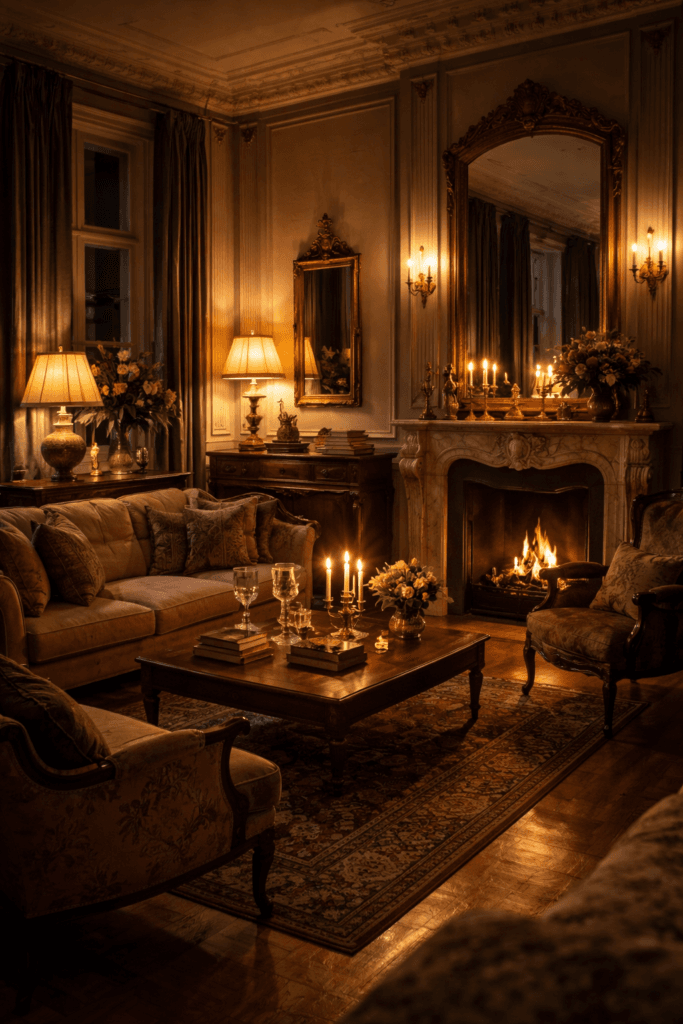
Lighting is what separates atmosphere from mere decoration. Old European interiors rely on many small light sources rather than one dominant one. This section explains how to build depth with shadow and why uneven lighting feels more human. Think glow, not brightness.
Old European interiors are never evenly lit.
Use:
- Table lamps
- Floor lamps
- Wall sconces
- Candles
Avoid relying on overhead lighting. Rooms should have pools of light and pockets of shadow to create depth.
9. The Living Room: A Room That Tells Stories
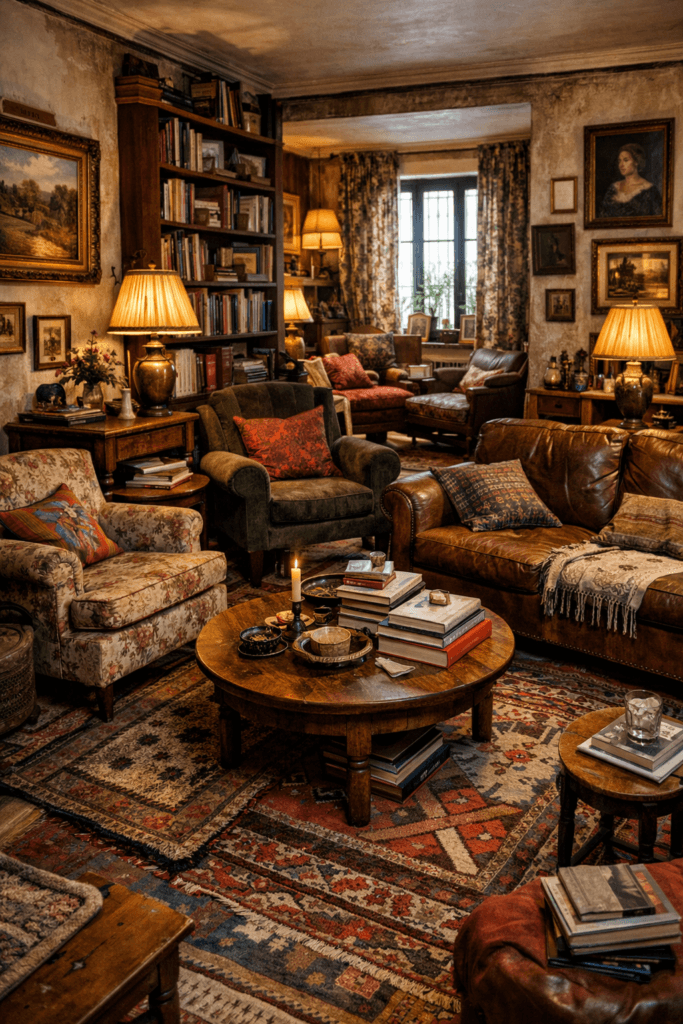
This is the social memory of the house. It should look like it has hosted conversations, reading, waiting, and long evenings. This section focuses on scale, layering, and how to avoid making the room feel like a showroom. Comfort and density must coexist.
This room should feel generous and layered.
Include:
- Books
- Art
- Mixed seating
- Rugs layered or oversized
The room should look like conversations have happened here for years—and will continue to.
10. The Dining Room: A Sense of Permanence
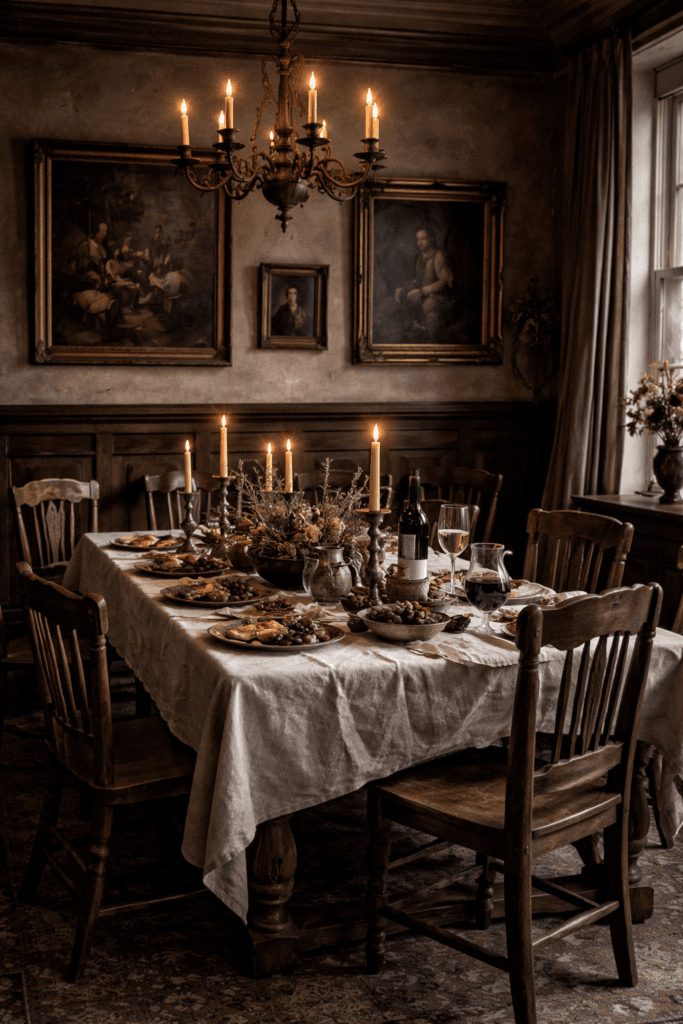
Dining rooms in this style are not trendy—they are anchored. This section explains how to create a room that feels ritualistic and enduring rather than decorative. The furniture should look like it expects decades of use. Seriousness is the point.
Dining rooms should feel grounded and serious.
Think:
- Solid wood tables
- Chairs that don’t perfectly match
- Linen tablecloths
- Simple but heavy objects
This is a room for rituals, not trends.
11. The Bedroom: Quiet, Heavy, Safe
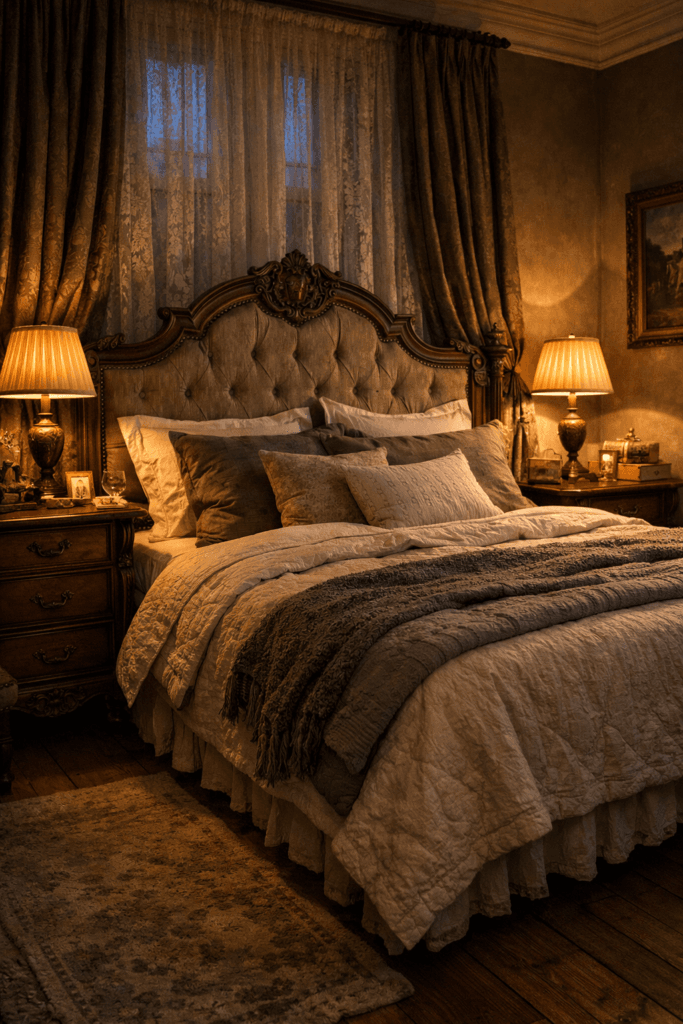
Bedrooms should feel like a buffer between you and the world. This section focuses on enclosure, softness, and how to make a room feel protective rather than styled. The goal is deep rest, not visual excitement.
Bedrooms should feel protected and deeply restful.
Use:
- Substantial beds
- Heavy curtains
- Layered bedding
- Low, warm light
The room should feel like a retreat from time.
12. Storage, Books, and the Language of Daily Life
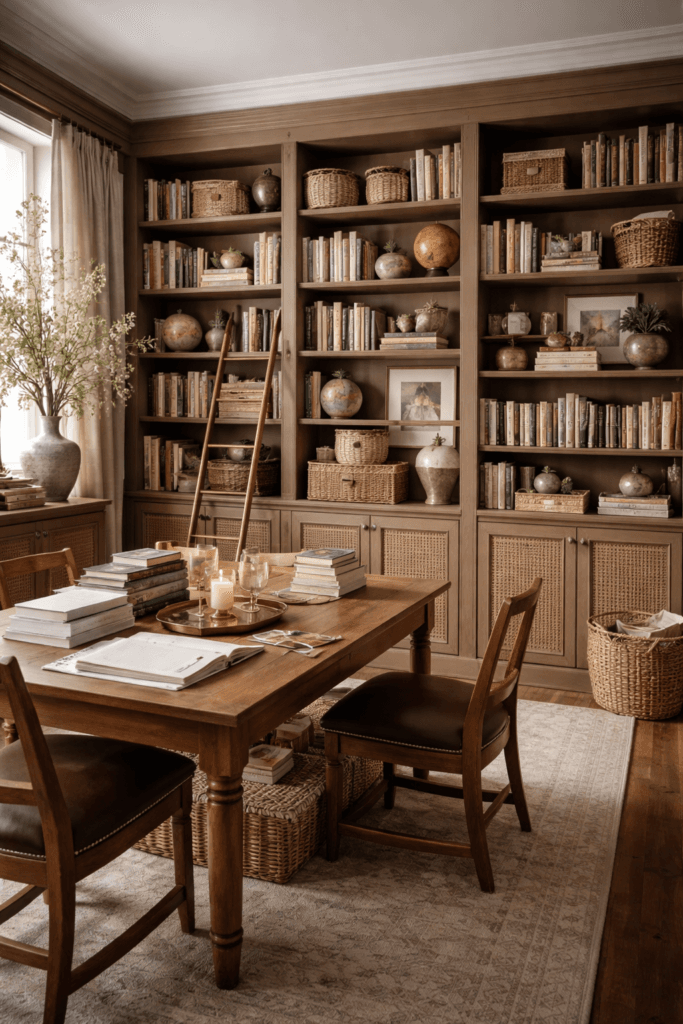
Storage is not something to hide here—it is part of the visual story. This section explains how to show life without showing chaos. Books, cabinets, and baskets should feel intentional and weighted.
This style welcomes visible life.
Use:
- Bookcases
- Cabinets
- Stacks of books
- Baskets
But keep visual weight balanced so the room feels rich, not chaotic.
13. Art, Frames, and Walls That Feel Lived In
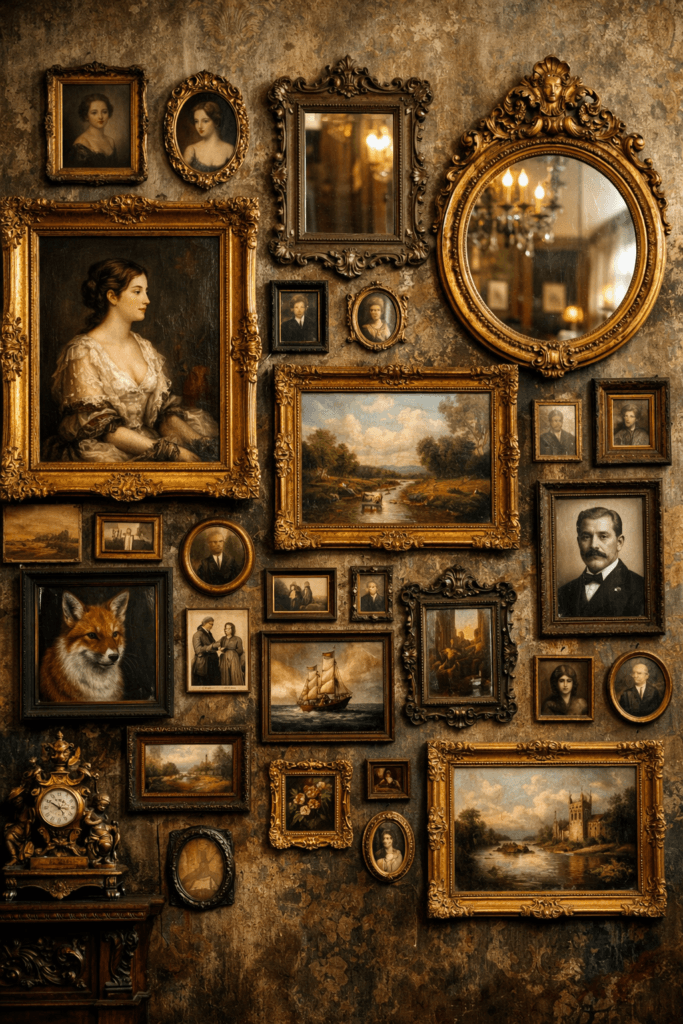
Walls should look accumulated, not curated. This section explains how to group, layer, and vary without turning walls into galleries. The goal is memory, not exhibition.
Walls should not look like galleries. They should look like collections built over years.
Use:
- Oil painting–style art
- Old frames
- Mirrors
- A mix of sizes and eras
Avoid perfectly aligned grids. Let the arrangement feel human.
14. Decorative Objects: Patina Over Perfection
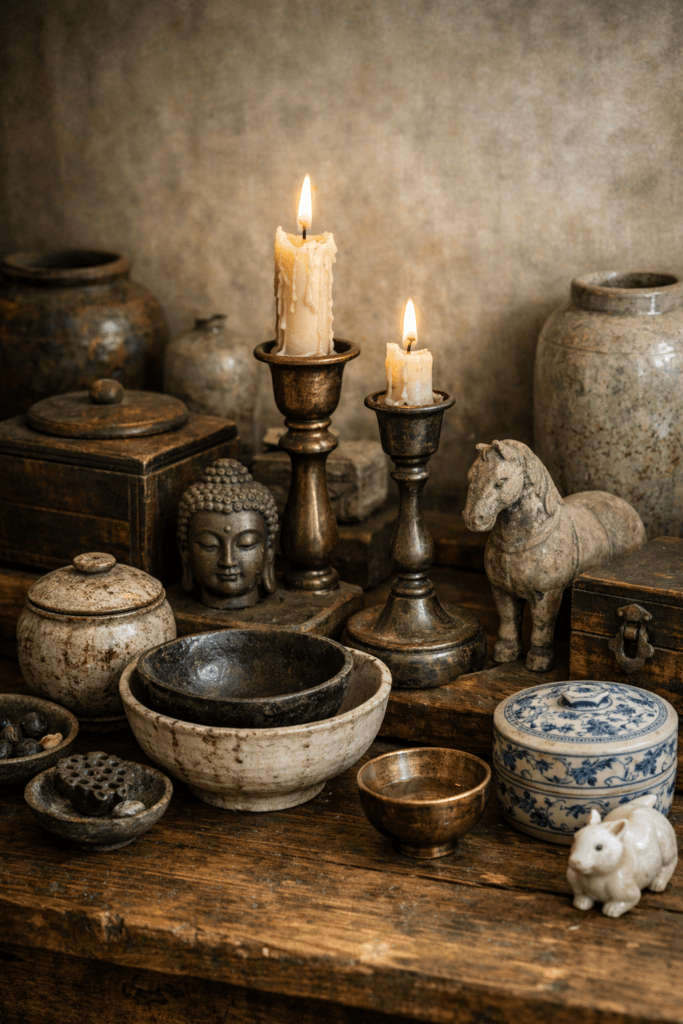
Small objects are emotional punctuation. This section shows how to choose pieces that feel kept rather than placed. Restraint here is what keeps rooms from feeling like antique shops.
Good objects include:
- Ceramics
- Bowls
- Candlesticks
- Boxes
- Small sculptures
Every object should feel kept, not placed.
15. The Difference Between Collected and Cluttered
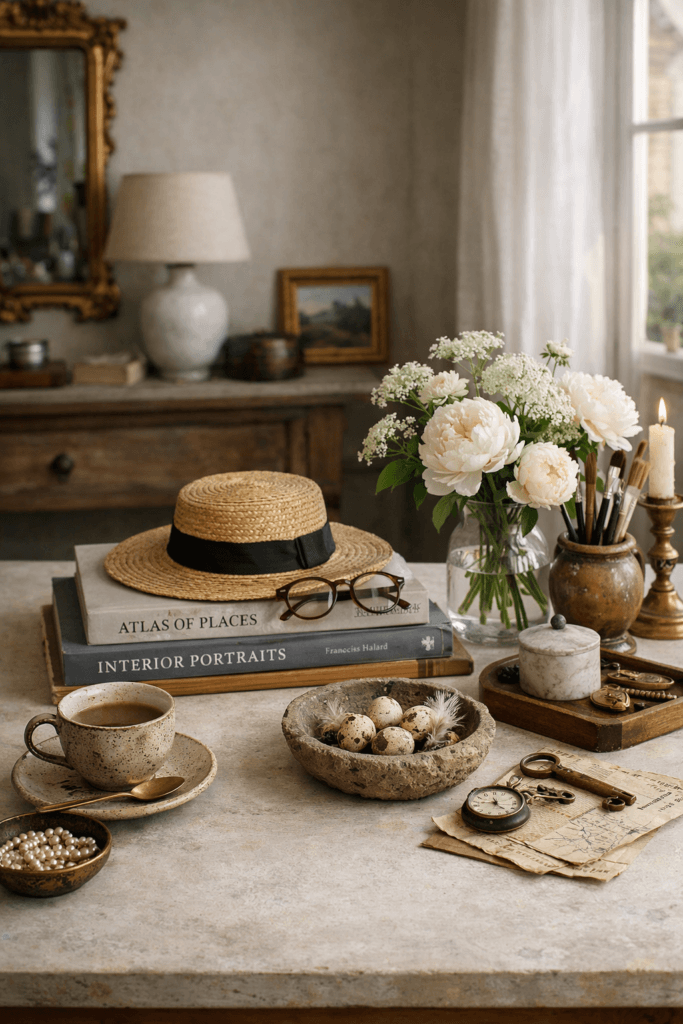
This is the line that separates soul from mess. This section gives you a mental filter for editing and grouping. The goal is richness with hierarchy, not abundance without structure.
Collected means:
- Objects grouped intentionally
- Clear negative space
- Visual hierarchy
Cluttered means:
- Everything visible
- No breathing room
- No focal point
When in doubt, remove the smallest items first.
16. How to Start If Your Home Is Very Modern
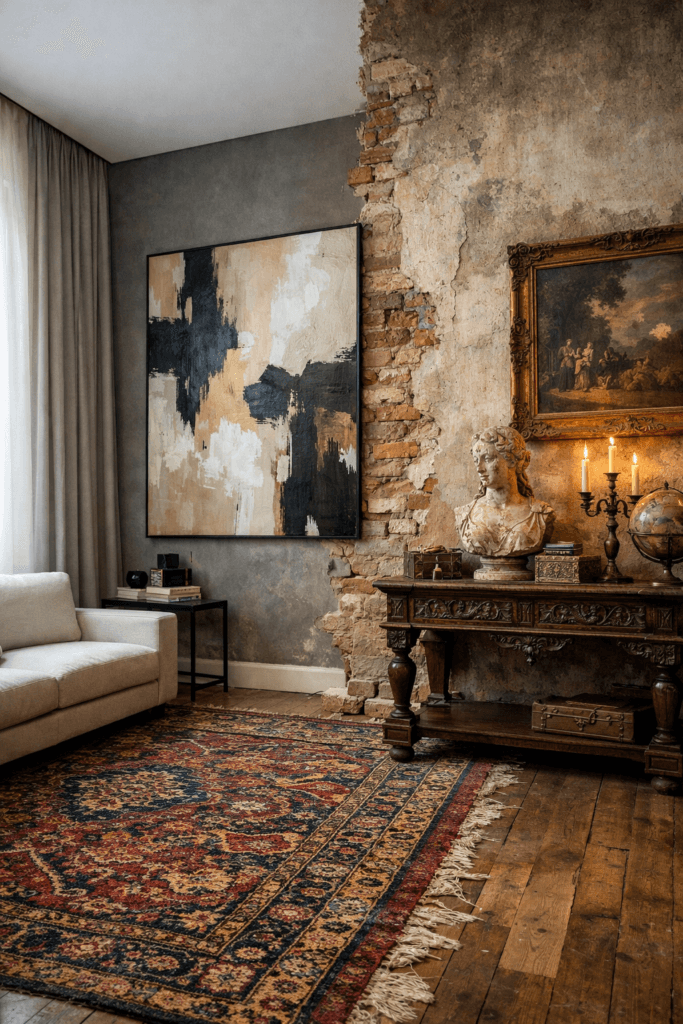
Starting from a modern home is not a disadvantage—it’s a clean foundation. This section lays out a sequence so the transformation doesn’t feel fake or rushed. You’ll learn where to begin, what to postpone, and how to build weight before detail.
Begin with:
- Textiles
- Lighting
- One or two heavy furniture pieces
- One large, serious art piece
Then build slowly. Do not try to transform everything at once.
17. Seasonal Shifts in an Old-World Home
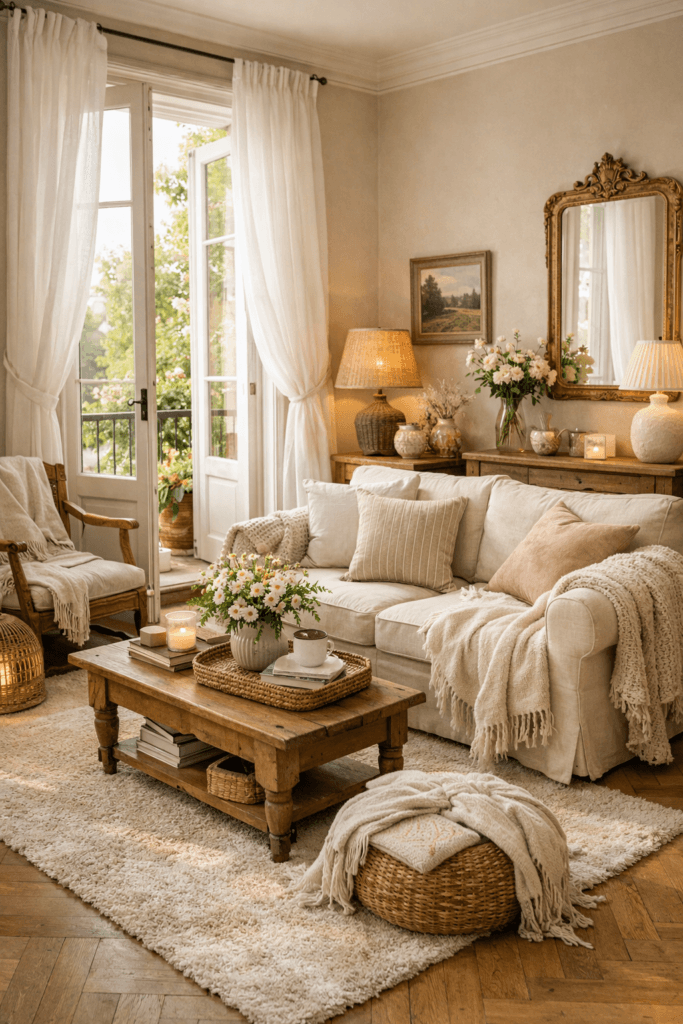
Seasonality here is not about decor swaps—it’s about material behavior. This section explains how to change the room’s density and warmth without changing its identity. The house should feel consistent, not re-themed.
- Winter: heavier textiles, warmer light, deeper layers
- Summer: lighter fabrics, simpler surfaces, more air
The bones never change—only the soft layers.
18. Vintage European vs Royal Castlecore
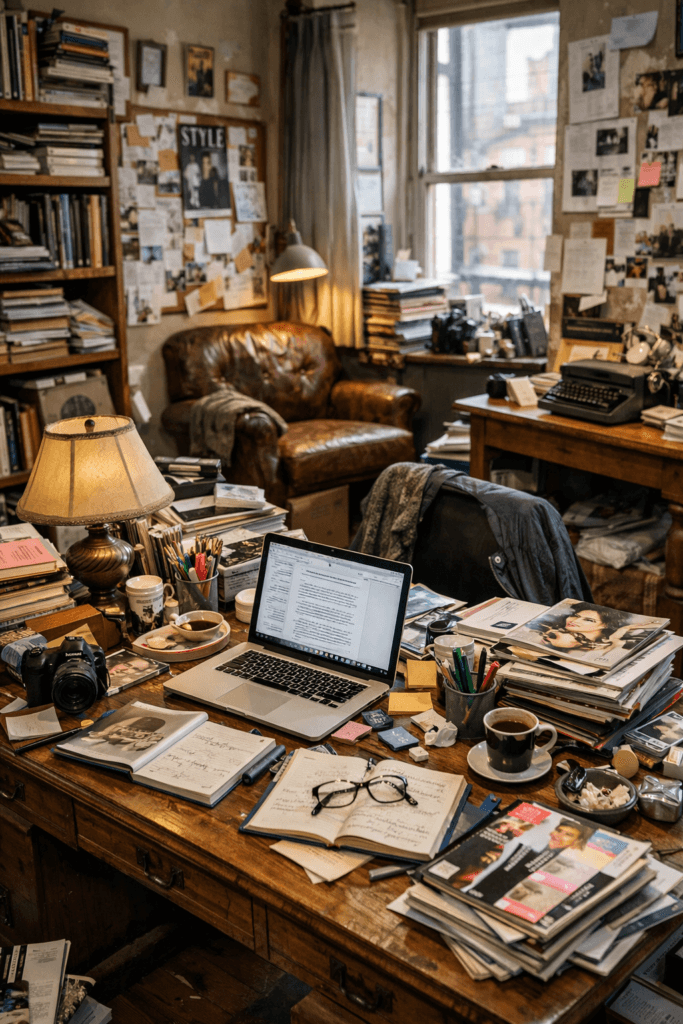
These styles share gravity but differ in intent. This section clarifies the emotional and structural differences so you don’t accidentally build something too formal. It’s about lived-in history versus commissioned elegance.
Royal Castlecore is formal and symmetrical.
Vintage European Castlecore is looser, more human, and more layered. It feels inherited rather than commissioned.
19. Vintage European vs Enchanted Cottage Castlecore
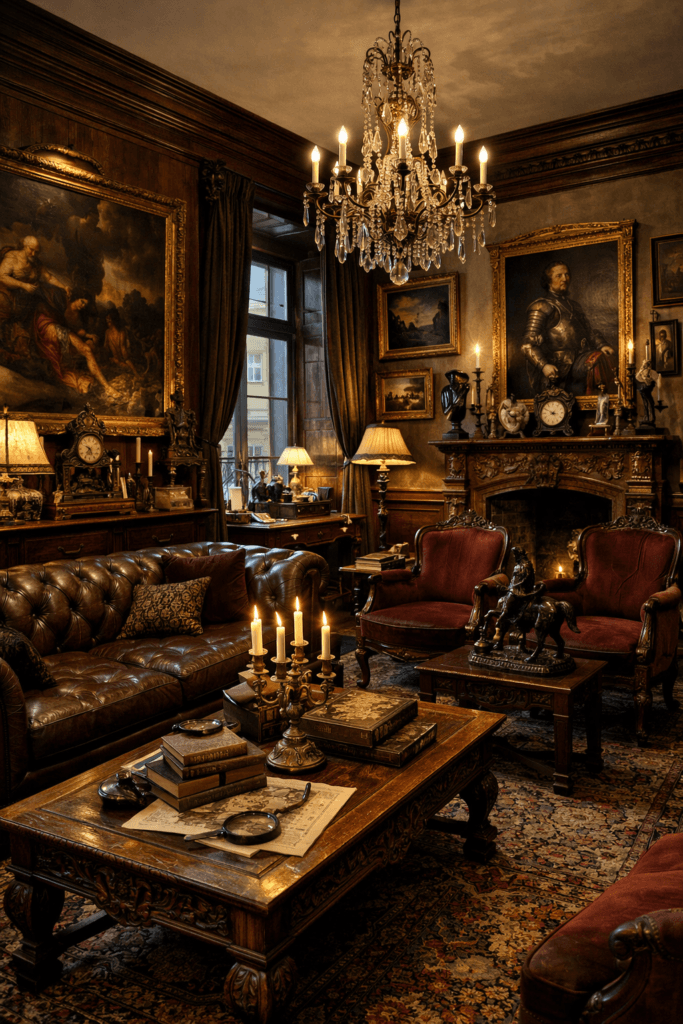
Both are warm, but their roots are different. This section helps you choose the right direction—or blend them intentionally. Think city history versus countryside intimacy.
Enchanted Cottage is rustic and countryside.
Vintage European is urban, layered, and historically dense.
20. Building a Home That Grows With You
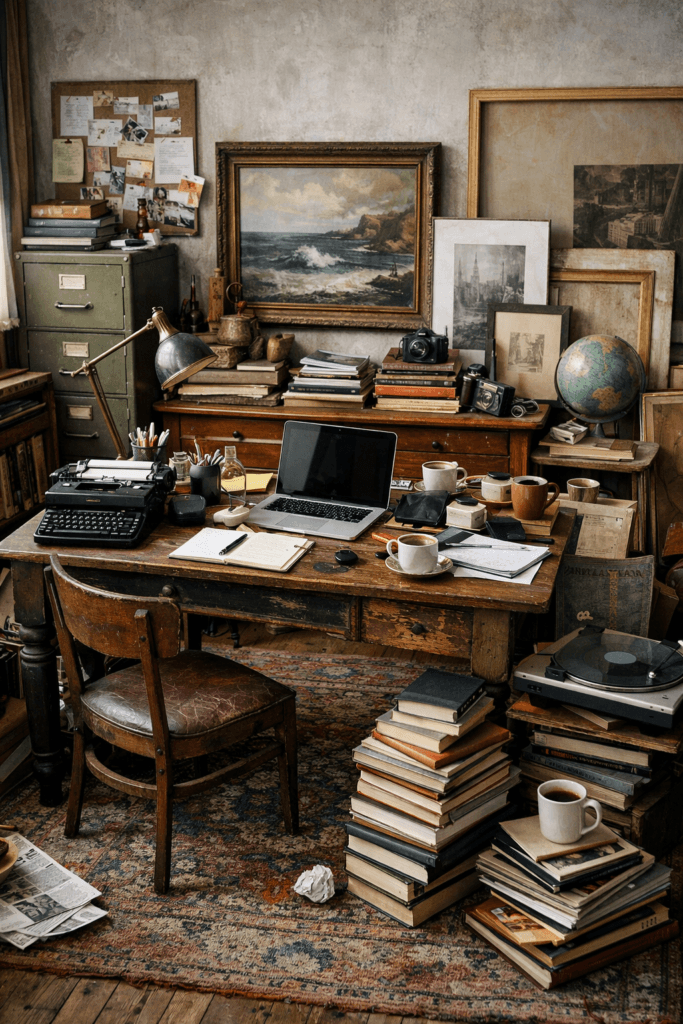
This is the philosophy section. This style only works if you stop thinking in makeovers and start thinking in years. The room should age alongside you, not reset every season.
This style should evolve with your life.
Add slowly. Replace thoughtfully. Keep what proves meaningful. Let your home show time.
21. Research & Inspiration: Building the Look With Real History
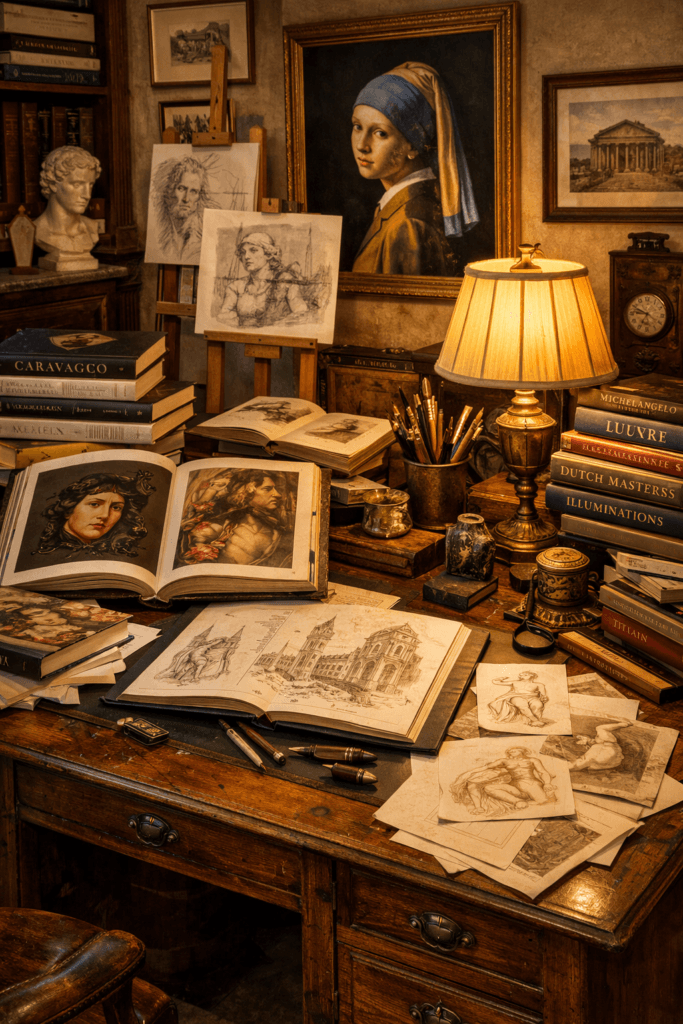
This section anchors the aesthetic in reality. Instead of copying Pinterest, you study real rooms, real objects, and real history. This trains your eye and prevents the style from becoming a costume.
- The Metropolitan Museum of Art – European Decorative Arts: https://www.metmuseum.org/art/collection/search?department=13
- Victoria and Albert Museum – Furniture & Interiors: https://www.vam.ac.uk/collections/furniture
- Musée Carnavalet (Paris History Museum): https://www.carnavalet.paris.fr/en
- The Frick Collection: https://www.frick.org
- Architectural Digest – European Homes: https://www.architecturaldigest.com/gallery/european-homes
- World of Interiors: https://www.worldofinteriors.co.uk
22. How to Source Pieces Without Making Your Home Look Like a Set
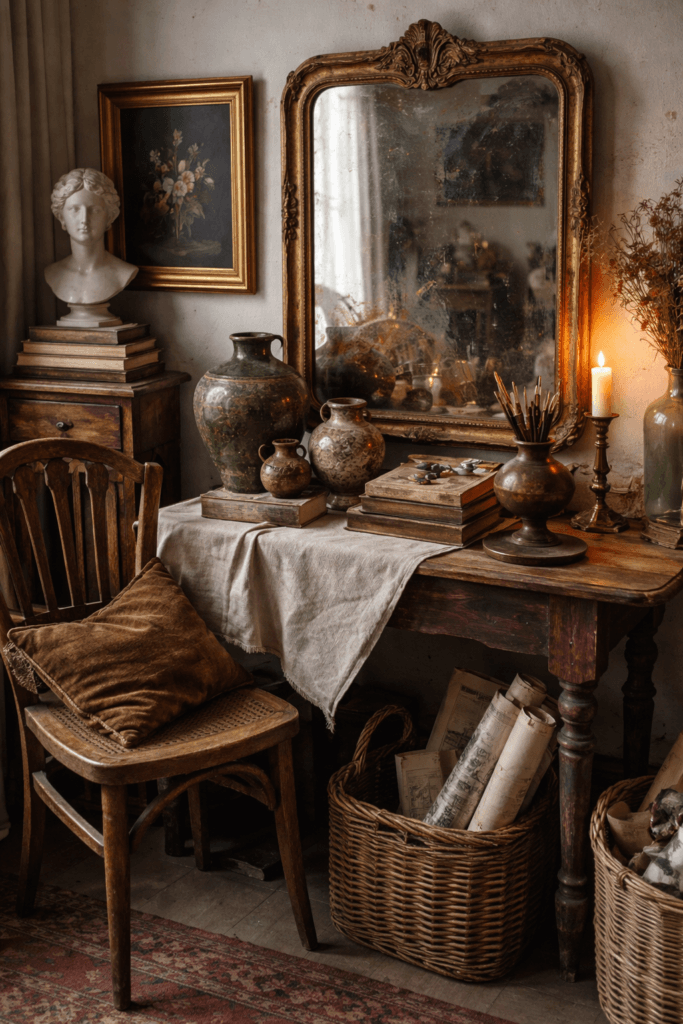
Where you shop shapes how your home looks. This section explains how to avoid the “showroom” effect and build a truly mixed interior. The goal is variety with coherence.
- Chairish: https://www.chairish.com
- 1stDibs: https://www.1stdibs.com
- Etsy Vintage: https://www.etsy.com/market/vintage_home_decor
23. Common Mistakes That Break the Illusion
This section is your safety net. It lists the decisions that instantly make rooms feel staged, themed, or inauthentic. Avoiding these keeps the style grounded.
Avoid:
- Making everything antique at once
- Buying only reproductions
- Over-darkening rooms
- Forgetting comfort
24. Budget vs Investment: Where to Spend and Where to Save

Not everything deserves the same budget. This section helps you prioritize weight and longevity over small decor. Invest in what carries the room.
Spend on:
- Sofas, armchairs, tables, beds
- Rugs
- Large art or mirrors
Save on:
- Small decor
- Lamps
- Side tables
Final Thoughts: A Home That Feels Like Time Itself Lives There
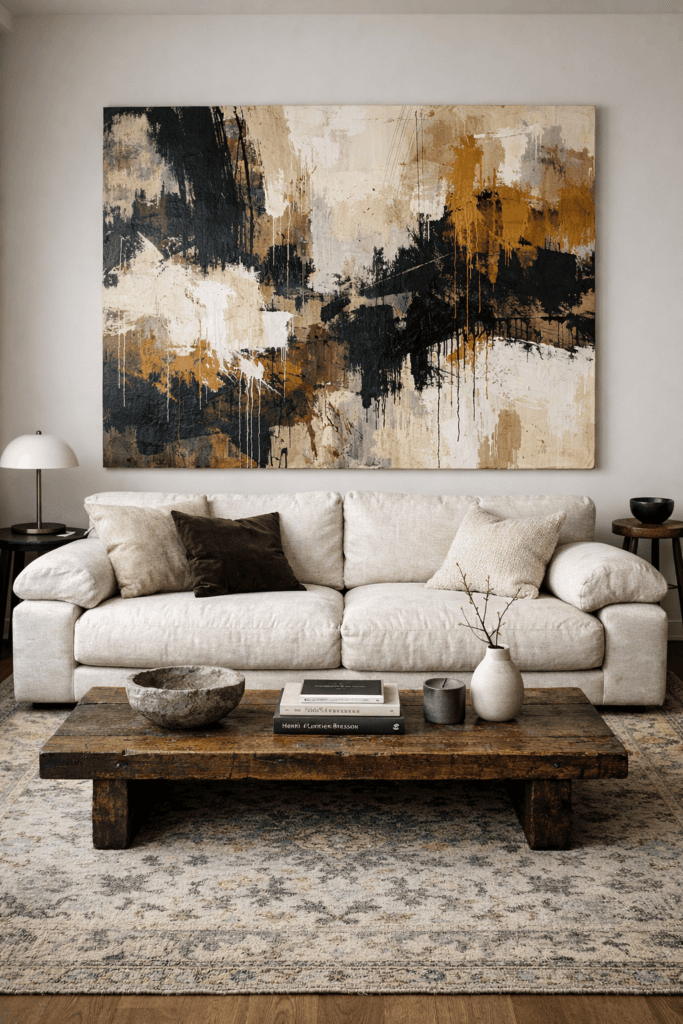
Vintage European Castlecore is not about decoration. It is about continuity, memory, and quiet beauty. It is a style that doesn’t chase trends—it outlives them.
If you prefer extreme simplicity and silence over layered history, Monastic Castlecore sits at the opposite end of the spectrum.