
Monastic Castlecore: How to Create a Calm Medieval Monastery-Inspired Home
April 21, 2026
Introduction: The Beauty of Quiet Spaces
Trending Finds Readers Are Loving
Explore affordable luxe discoveries people are clicking on right now.
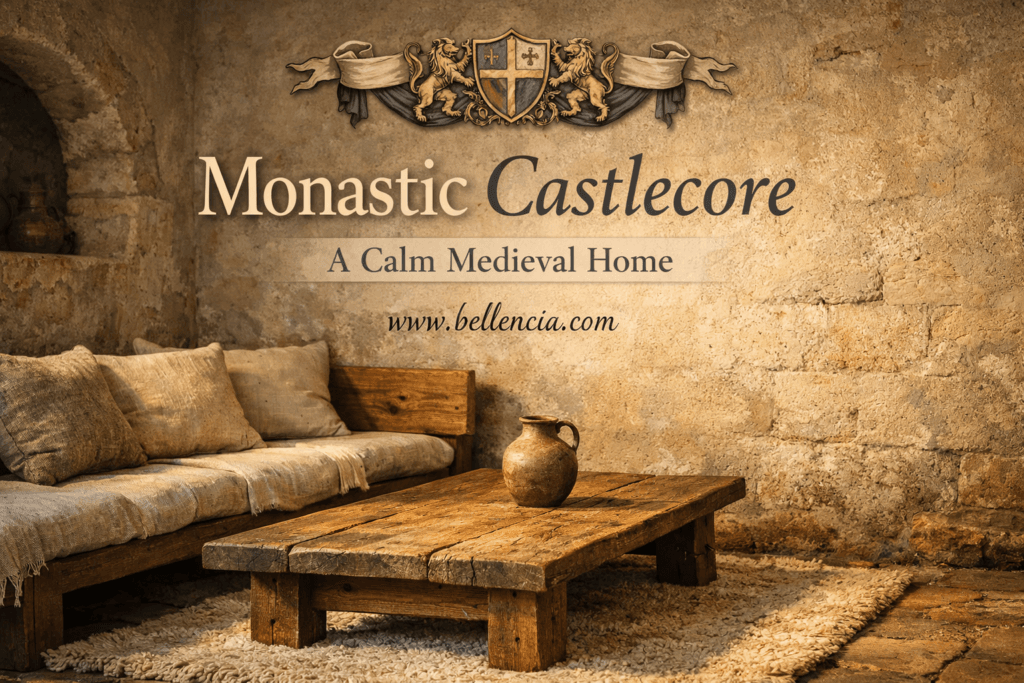
See What's TrendingIf Gothic Castlecore is about drama, Royal Castlecore is about formality, and Enchanted Cottage Castlecore is about warmth, Monastic Castlecore is about stillness, restraint, and clarity. This aesthetic is inspired by medieval monasteries, abbeys, and cloisters—places designed not to impress, but to calm the mind and order daily life.
Monastic Castlecore is not empty. It is intentional, built from stone, wood, linen, and light. It values silence, repetition, and usefulness over decoration. The result is a home that feels grounded, timeless, and deeply restful—almost as if the space itself is breathing more slowly.
If you’re drawn to medieval aesthetics but prefer something more dramatic or ornate, you might explore Gothic Castlecore or Royal Castlecore instead. If you want something warmer and more layered, Enchanted Cottage Castlecore or Vintage European Castlecore may suit you better. Monastic Castlecore sits at the quietest, most restrained end of that spectrum.
This guide is a complete, practical blueprint for translating that ancient architectural and philosophical calm into a modern home without turning it into a museum or a minimalist box.
1. What Monastic Castlecore Is (And What It Is Not)
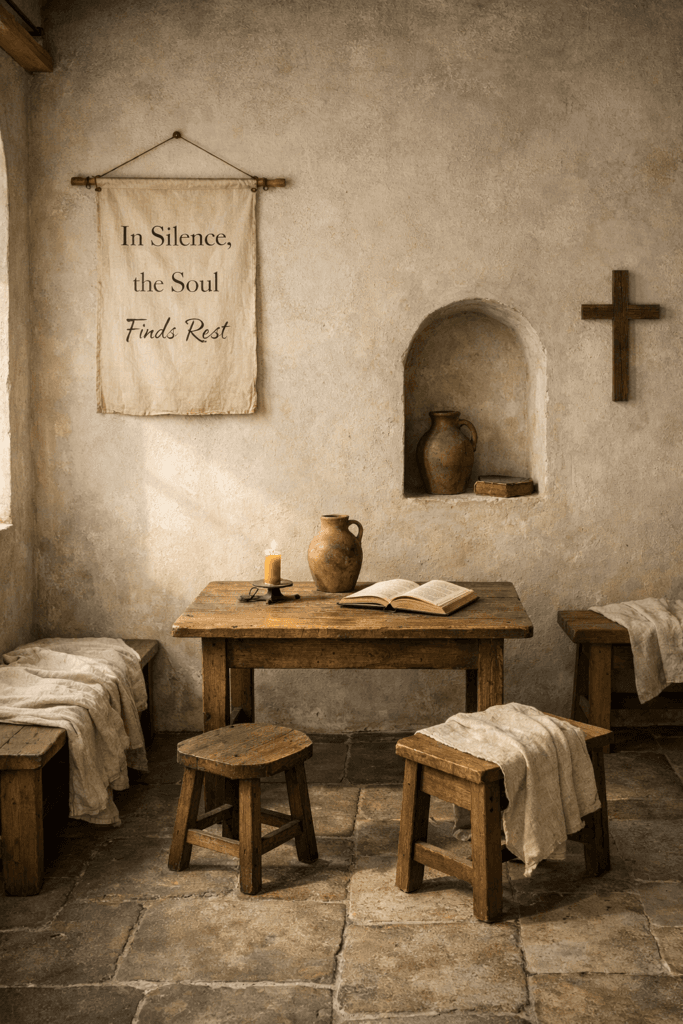
Monastic Castlecore is a design language rooted in purpose, not performance. Historically, monasteries were built to support a life of repetition, focus, and mental clarity. That same principle carries into this aesthetic: every object, surface, and piece of furniture should justify its presence. This does not mean your home must be bare. It means it must be considered.
In practice, this style favors fewer but better things, arranged with space around them. The room should feel like it can hold silence without feeling empty. You should be able to look at any corner and understand why it exists. That sense of order is what separates monastic spaces from generic minimalism.
It is not about aesthetic purity or design trends. It is about creating an environment that supports thinking, resting, reading, and daily rituals. If something exists only to decorate, it likely does not belong here. If it exists to support how you live, it probably does.
What it is: calm, restrained, material-driven, repetitive, functional, and timeless. What it is not: sterile, modern, performative, decorative, or trendy. If a space feels like it is trying to impress, it is already moving away from monastic logic.
2. The Emotional Core: Why Quiet, Restrained Spaces Feel So Restorative
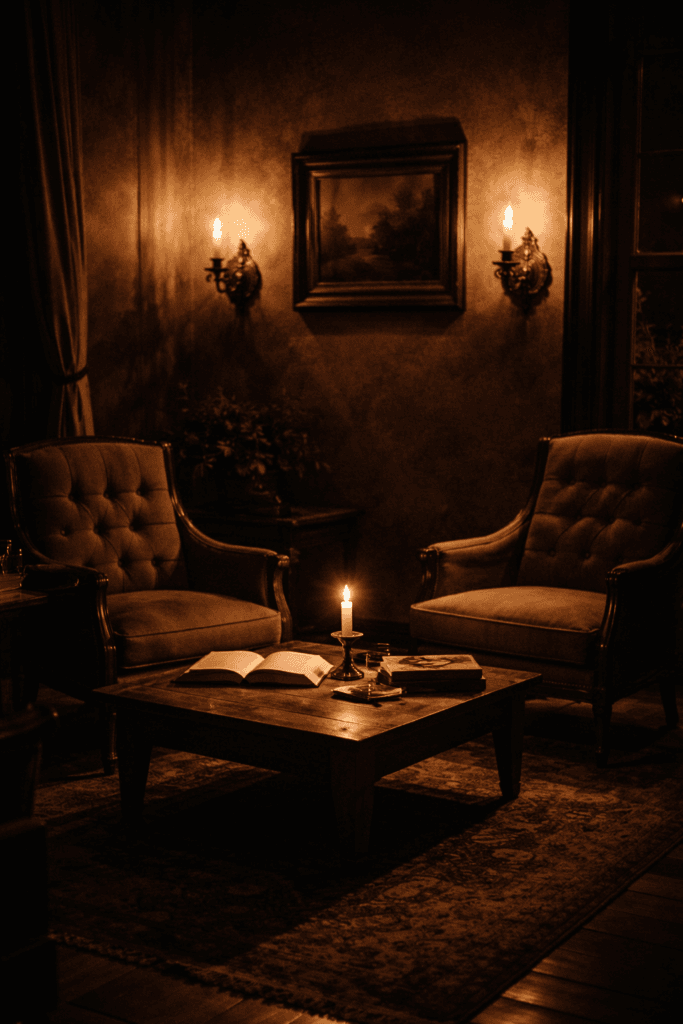
Monastic environments were designed around nervous system regulation long before we had language for it. Thick walls, limited visual information, soft light, and repetitive forms all signal safety to the brain. In contrast, modern homes often overwhelm us with objects, color, and visual noise, even when they are technically “beautiful.”
A monastic-style room works by lowering cognitive load. When your eyes do not have to constantly interpret, compare, or evaluate, your mind naturally slows down. This is why these spaces feel different from ordinary minimalist interiors. They are not trying to be stylish. They are trying to be supportive.
Practically, this means limiting visual clutter, keeping color ranges narrow, and allowing surfaces to stay mostly clear. It also means accepting that a room does not need to broadcast your personality in every corner. Instead, the room becomes a container that holds your attention gently rather than pulling it in ten directions.
Over time, living in a visually quieter space often changes behavior: people read more, sleep better, and feel less mentally scattered. The home stops being a stimulus and becomes a refuge.
3. The Color Palette: Stone, Linen, Ash, and Warm Wood
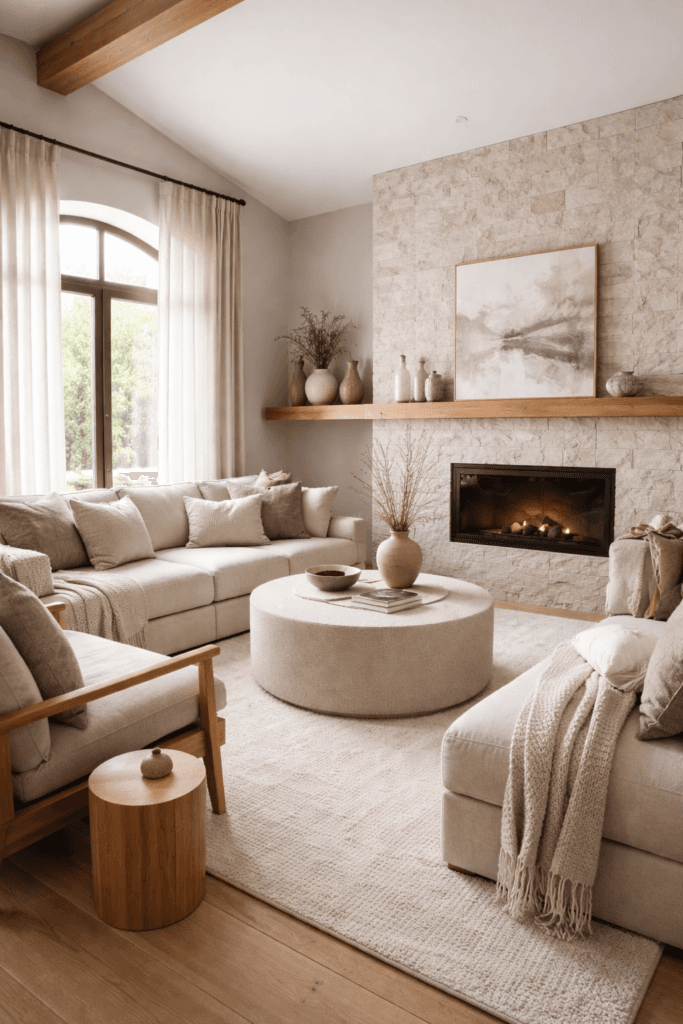
Color in Monastic Castlecore should feel as though it comes from the materials themselves, not from a paint catalog trend. Think of the palette of an old cloister: limestone, plaster, raw wood, linen habits, iron hardware, candle smoke. These tones live very close to each other and rarely create sharp contrast.
Your base colors should sit in a narrow, calm spectrum: warm stone, chalk, oatmeal, soft ash, muted taupe, and clay. These can be used on walls, floors, large furniture, and major textiles. Accents should be even quieter: aged wood, soft charcoal, and darkened iron rather than true black.
The key is continuity. When you move from room to room, nothing should feel like a visual reset. This does not mean everything must match exactly. It means everything should belong to the same family. Avoid bright whites, deep saturated colors, or high-contrast black-and-white schemes. They introduce visual tension that works against the calming goal.
If you want variation, use texture rather than color. Let plaster, linen, wood grain, and stone do the work instead of pigment.
4. Materials That Carry the Whole Aesthetic

Monastic Castlecore is almost entirely built on materials. If the materials are wrong, the space will never feel convincing, no matter how carefully you decorate. The guiding rule is simple: use materials that look better as they age.
Stone, plaster, wood, linen, wool, ceramic, and iron should form the backbone of your home. These materials absorb light, show wear honestly, and develop patina over time. A wooden table that gets softer at the edges or a stone floor that becomes smoother underfoot is not a problem—it is the point.
Avoid glossy finishes, plastics, chrome, and anything that looks disposable or temporary. These materials reflect light harshly and visually “shout” in a space that should whisper. Even when choosing modern items, look for versions made from honest, heavy materials with matte or natural finishes.
When in doubt, imagine the object in 50 years. If it looks like it would still make sense, it belongs. If it feels like it would be replaced in five, it does not.
5. Architecture Without Renovation: Creating a Sense of Cloistered Space
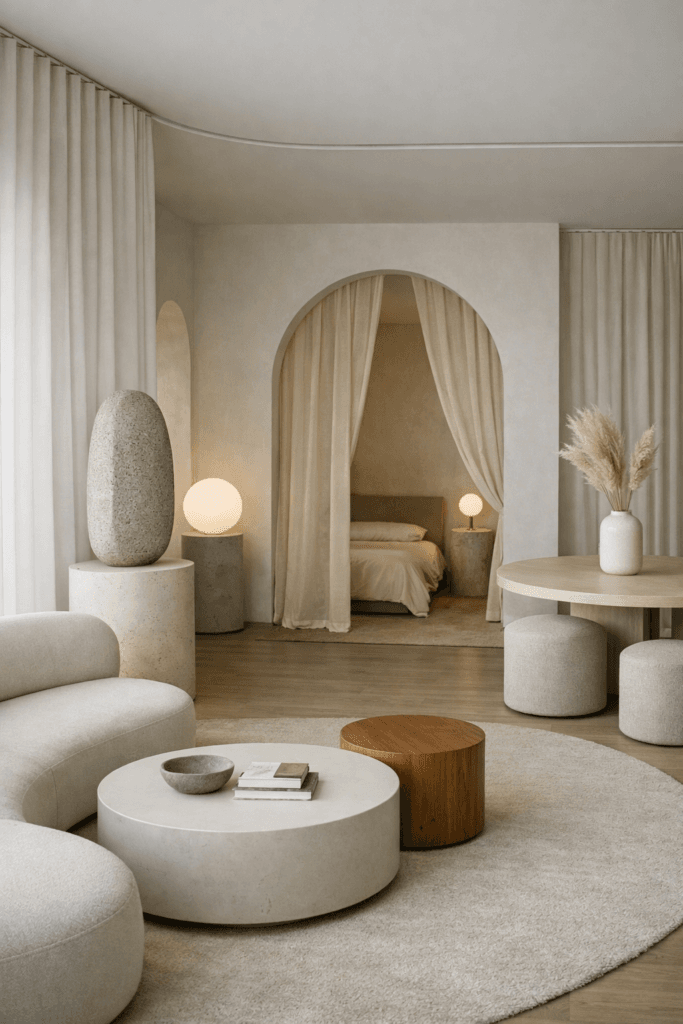
You do not need to live in a stone abbey to create a cloistered, monastic feeling. What matters is not the actual architecture, but the sense of enclosure and proportion. Monastic spaces feel calm because they are contained and clearly organized.
Start by breaking large, open rooms into visual zones using rugs, furniture placement, and lighting. Instead of one big undefined space, create smaller, purposeful areas: a reading corner, a writing table, a resting area. Each zone should feel like a room within a room.
Use curtains, even in places where they are not strictly necessary, to soften walls and reduce the feeling of exposure. Choose fewer, larger furniture pieces rather than many small ones. Repetition of simple shapes—rectangles, arches, thick legs—helps create visual order.
The goal is not openness or flow. The goal is containment: a feeling that the space holds you rather than spills outward.
6. Furniture: Simple, Solid, and Purposeful
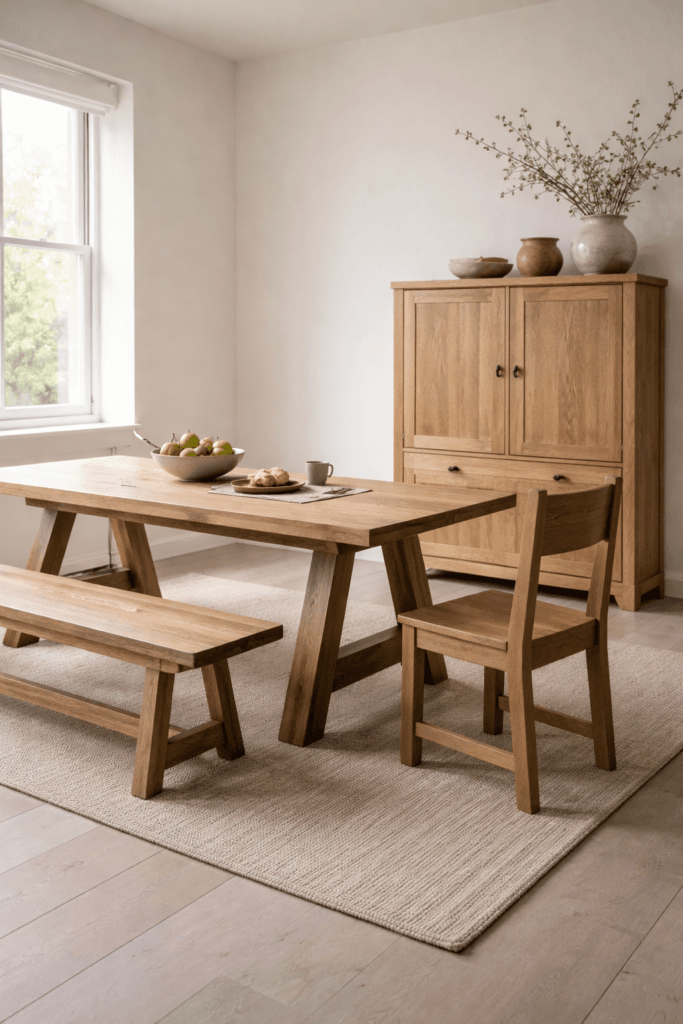
Furniture in Monastic Castlecore should look as though it was designed to survive centuries of use. Think benches, trestle tables, simple chairs, heavy cabinets, and beds that feel anchored to the floor. Visual lightness is not the goal here; stability is.
Each piece should have a clear job. If you cannot easily explain what a piece is for, it probably does not belong. Avoid sculptural, clever, or novelty furniture. Those pieces draw attention to themselves rather than supporting the atmosphere of the room.
This does not mean everything must look medieval. It means modern furniture should follow the same logic: honest materials, simple shapes, and visual weight. A contemporary solid-wood table can work perfectly if it is quiet in its design.
Furnish slowly. Monastic rooms benefit from space between objects. Let the room breathe instead of trying to fill it.
7. The Role of Textiles: Softness Without Decoration
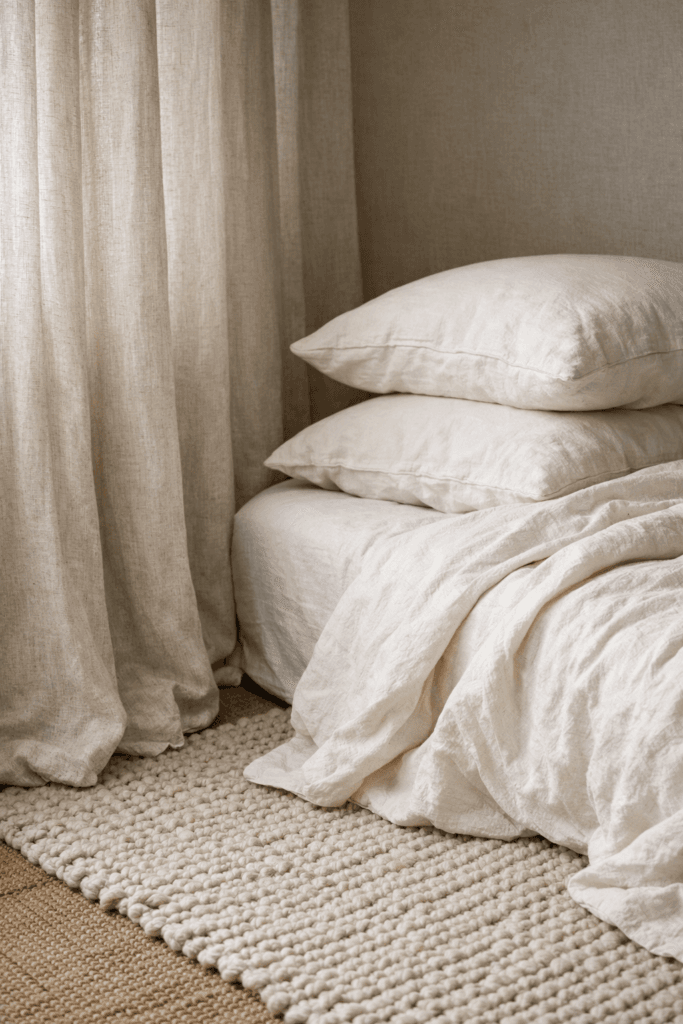
Textiles in this style exist for comfort, warmth, and sound absorption—not for pattern or visual excitement. Linen, wool, and cotton should dominate, and they should mostly be solid or extremely subtle in texture.
Use linen curtains to soften light and acoustics. Layer simple wool rugs to quiet footsteps and visually ground spaces. Bedding should be breathable, tactile, and calm rather than decorative. Throws and cushions should look useful first and beautiful second.
Avoid busy patterns, strong contrasts, or shiny fabrics. Even when you want variation, choose it through weave, thickness, or drape rather than color or print. A heavy wool blanket and a light linen cover can coexist beautifully without introducing visual noise.
Over time, textiles will soften, fade slightly, and become more comfortable. This aging process is part of the aesthetic, not something to fight.
8. Lighting: The Architecture of Shadow
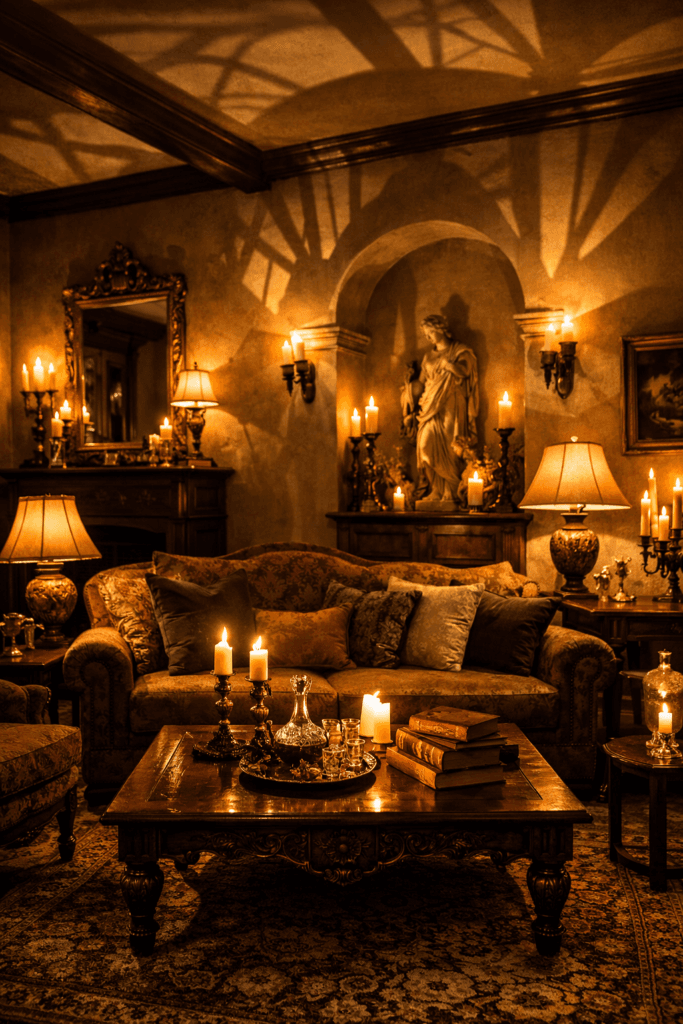
Monastic spaces are defined as much by shadow as by light. Historically, these buildings relied on small windows, candles, and indirect light, which created depth and calm rather than brightness and uniformity.
In your home, avoid relying on a single overhead light source. Instead, use multiple low, warm light sources: table lamps, wall sconces, floor lamps, and candles. Each should create a small pool of light, leaving other areas in gentle shadow.
Choose bulbs with warm color temperatures and avoid anything harsh or overly bright. The room should feel like it is lit for evening, even during the day. This does not make it dark; it makes it restful.
Think of lighting as shaping the room’s emotional architecture rather than just making things visible.
9. The Living Space: A Room for Reading, Thinking, and Being Still
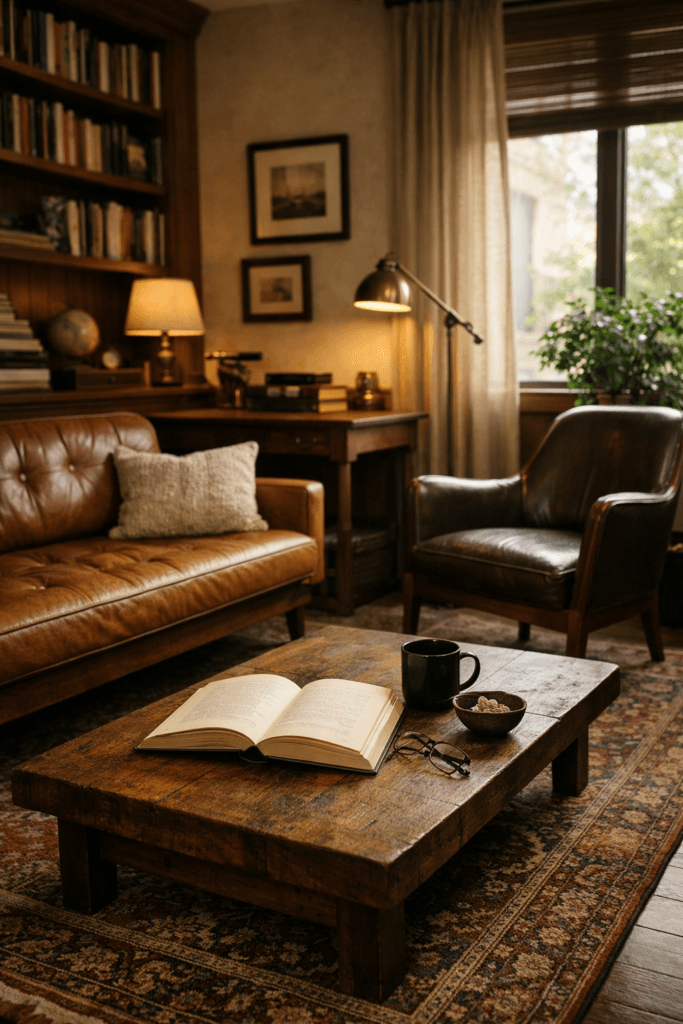
The main living space in a monastic home is not for entertaining crowds. It is for quiet activities: reading, writing, thinking, or simply sitting. The furniture layout should support these behaviors rather than conversation clusters or television-centered arrangements.
Use a few substantial pieces: a solid sofa or bench, one or two chairs, a table for books or writing, and perhaps a small cabinet. Leave generous empty space around them. This emptiness is not wasted; it is what makes the room feel calm.
Decor should be minimal: perhaps one piece of art, one vessel, one stack of books. The room should feel like it invites you to slow down rather than to consume content or scroll.
10. The Bedroom: The Most Monastic Room in the House
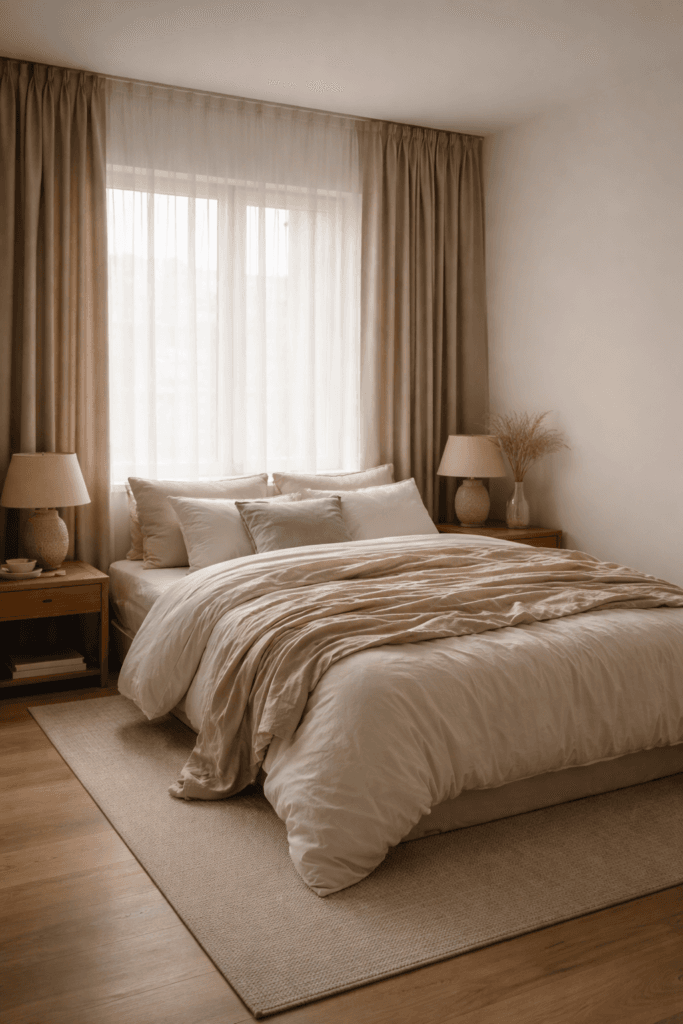
Historically, monastic cells were simple, protective, and deeply focused on rest. Your bedroom should follow the same principle. It should feel like a cocoon that separates you from the world.
Start with the bed: simple, solid, and comfortable. Surround it with very little. A small table, a lamp, perhaps one chair. Keep storage mostly closed and surfaces mostly clear.
Use heavy curtains or shades to control light and create a sense of enclosure. Bedding should be layered but simple: linen sheets, a wool blanket, maybe a quilt. Avoid decorative pillows and visual clutter.
The goal is not to impress anyone. The goal is deep, uninterrupted rest.
11. The Kitchen: Functional and Uncluttered
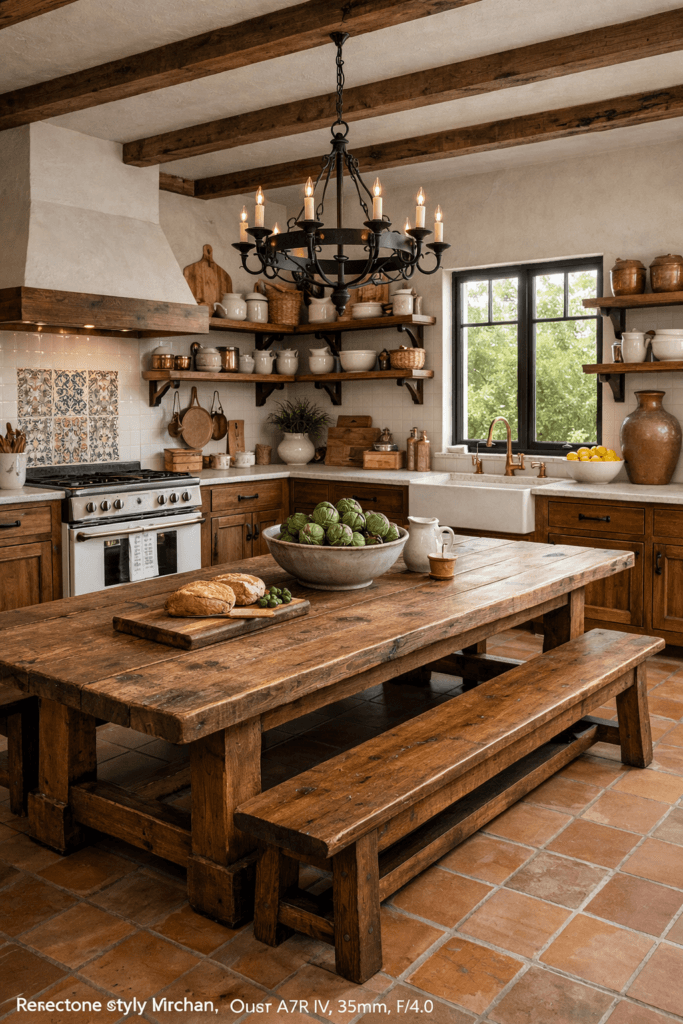
Think monastery refectory rather than modern show kitchen. This space should prioritize work and nourishment over display. Clear counters are essential, not optional.
Keep only the tools you actually use. Store everything else behind closed doors or in simple cabinets. Use ceramic, wood, and metal rather than plastic wherever possible.
Open shelves can work if they are sparse and orderly, holding only a few frequently used items. Otherwise, closed storage is more in keeping with the aesthetic.
A monastic kitchen feels calm even when in use because it is predictable and organized.
12. Storage: Everything Has a Place
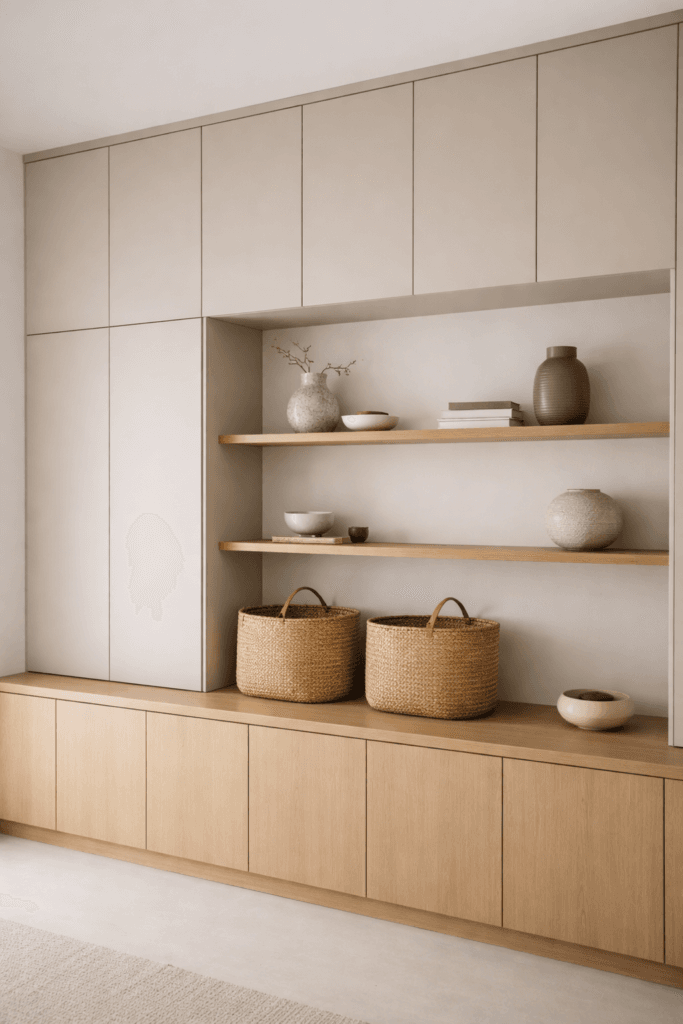
Clutter breaks monastic atmosphere instantly. Storage is not an afterthought here; it is a core design element.
Use closed cabinets, simple shelves, and baskets to give every category of object a home. Surfaces should be mostly empty so the eye can rest.
When deciding what to keep, ask whether the object supports daily life or merely occupies space. Be honest. This style depends on regular editing.
Good storage allows the visible parts of your home to stay calm without requiring constant tidying.
13. Decoration: When Almost Nothing Is Enough
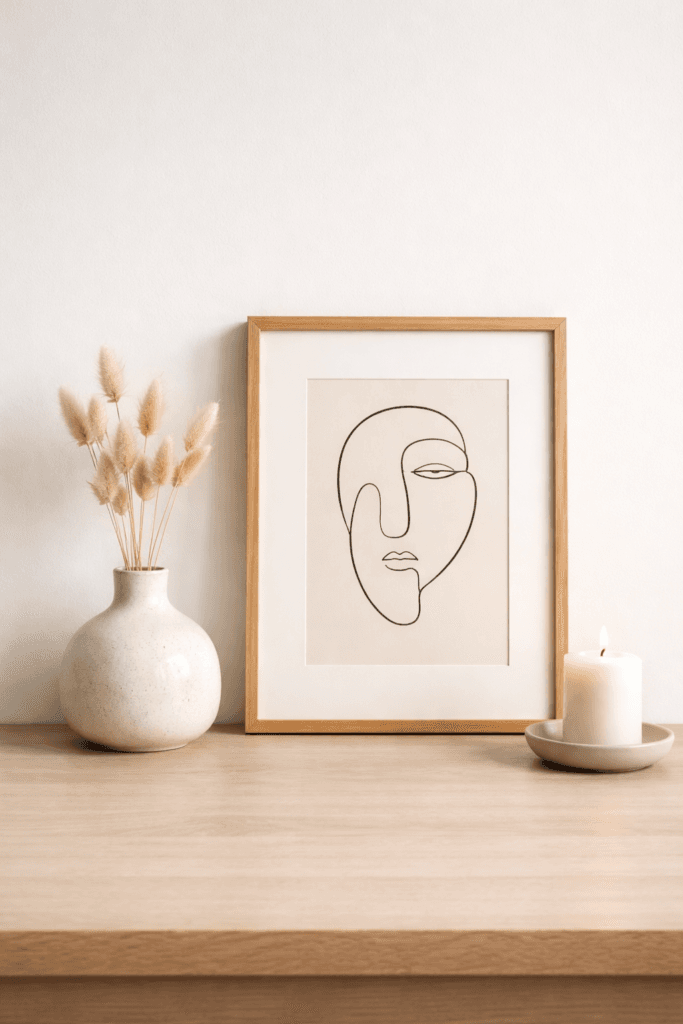
Decoration in Monastic Castlecore should be either architectural, structural, or deeply meaningful. One vessel, one piece of art, one candle can be enough for an entire room.
Avoid collections, clusters, and decorative groupings. If you display something, give it space and let it be the only focal point.
Think in terms of presence rather than quantity. A single, well-chosen object in a quiet room has far more impact than ten smaller ones competing for attention.
14. The Sound, Scent, and Sensory Environment
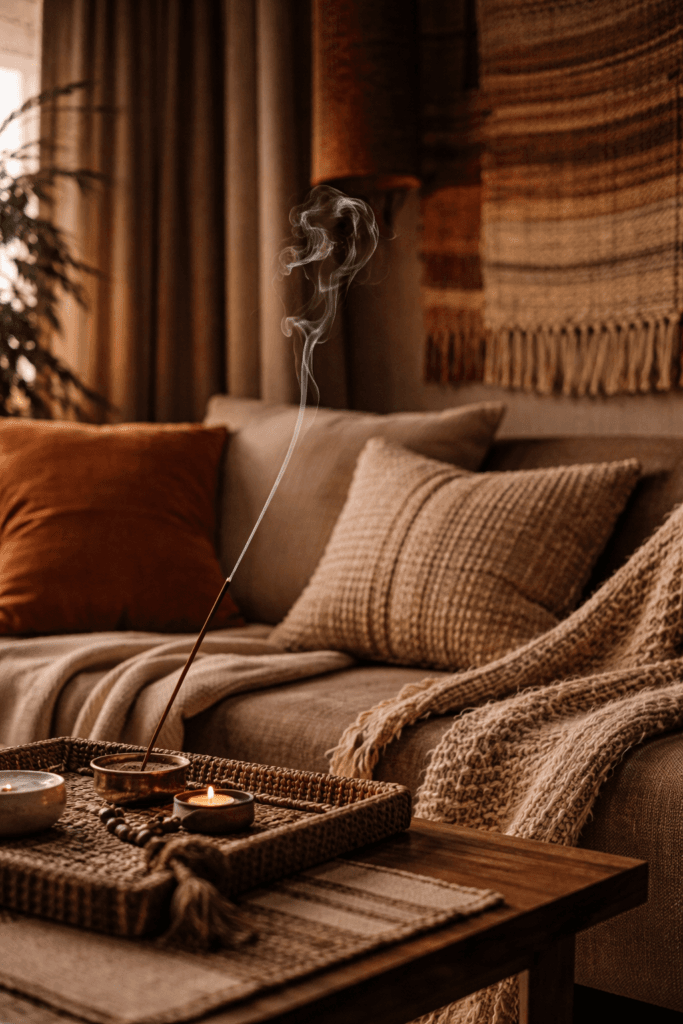
This style is not only visual. It is sensory. Pay attention to how sound moves in your home. Rugs, curtains, and soft furnishings help absorb echoes and make spaces feel calmer.
Scent should be natural and subtle: wood, linen, beeswax, or light incense. Avoid strong artificial fragrances that pull attention.
Everything should support the feeling of slowness and containment, from how your footsteps sound to how the air smells in the evening.
15. The Difference Between Monastic and Modern Minimalism
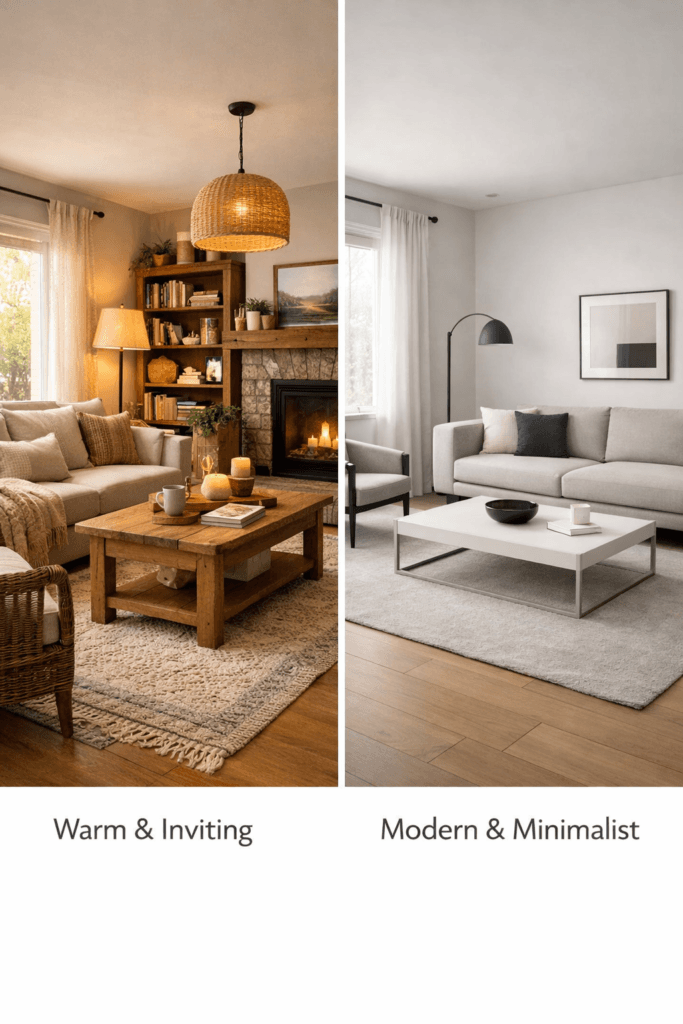
Modern minimalism is often ideological and visual. It focuses on how things look. Monastic Castlecore is emotional and functional. It focuses on how spaces feel to live in.
A minimalist room can still feel cold or performative. A monastic room should feel supportive, grounded, and human.
Unlike Royal Castlecore, which is built around ceremony and grandeur, or Gothic Castlecore, which thrives on drama and symbolism, Monastic Castlecore is designed to remove emotional noise rather than amplify it.
The difference is intention: one removes for aesthetics, the other removes for peace.
16. How to Transition From a Busy or Maximalist Home
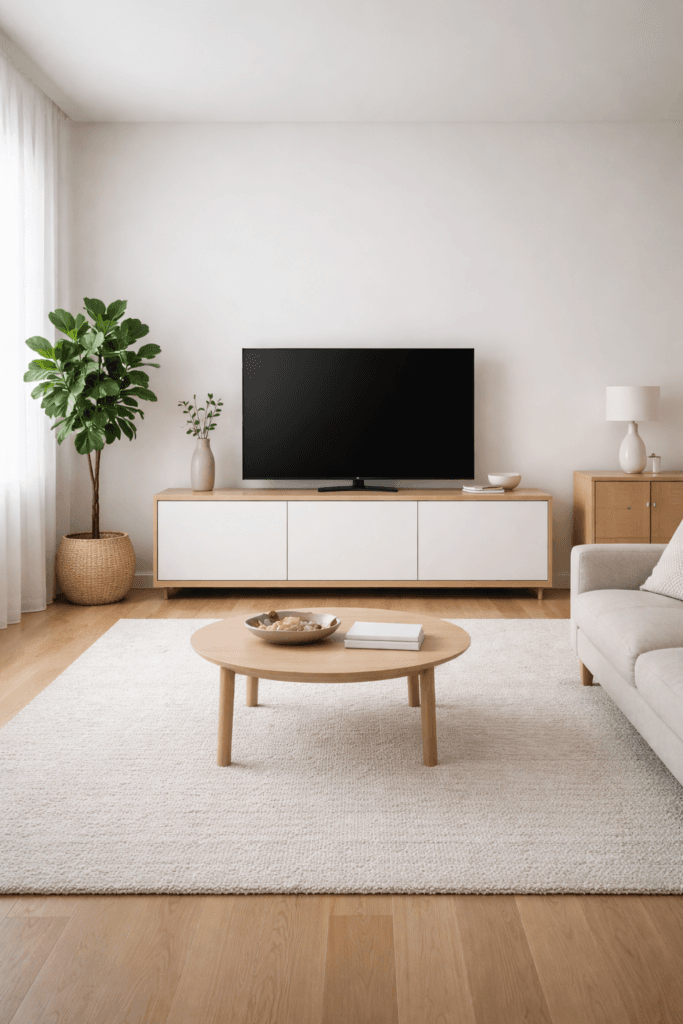
Transitioning into Monastic Castlecore is not a weekend project—it is a behavioral and visual re‑training process. If your home is currently busy, layered, or maximalist, the most important mistake to avoid is swinging to the opposite extreme too quickly. Sudden emptiness often feels cold and uncomfortable, which leads people to re‑clutter impulsively. The goal is progressive calm, not shock therapy.
Begin by removing before adding. Start with surfaces: tables, counters, shelves, and nightstands. Clear them completely, then return only the objects that are genuinely used every day. Live like this for a week. Notice what you miss and what you don’t. This step alone often removes 30–50% of visual noise without buying anything.
Next, evaluate furniture density. Monastic spaces work because there is space between objects. If a room has many small pieces, consolidate into fewer, larger, more substantial ones. For example, replace three side tables with one solid table, or remove extra chairs that are rarely used.
Work room by room. Let each space reach a stable, calm state before touching the next. This prevents the house from feeling unfinished or barren. Keep storage generous and mostly closed so the visible areas can stay quiet without constant tidying.
Most importantly: do not rush to replace removed items. Sit with the emptiness. Your nervous system needs time to recalibrate to quieter environments.
17. Seasonal Shifts in a Monastic Home
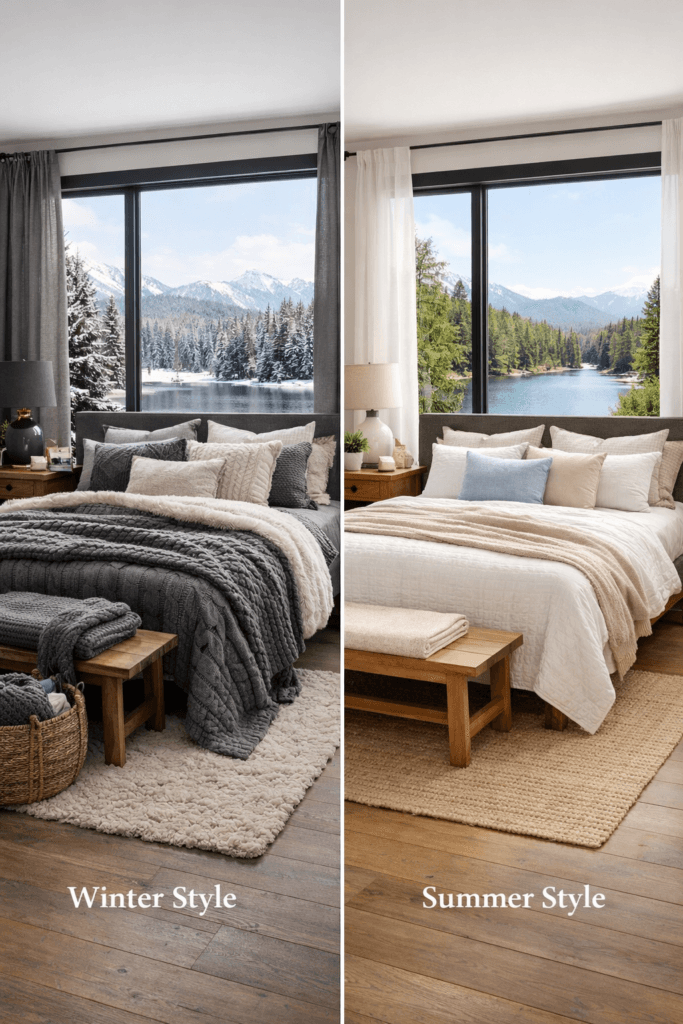
Seasonality in Monastic Castlecore is about material behavior, not decorative themes. The identity of the home should never change. Only the weight, warmth, and texture of soft elements shift.
In winter, the home becomes denser and warmer: add wool throws, heavier linen or flannel bedding, thicker rugs, and slightly warmer light bulbs or more candles. The space should feel more cocooned and inward-facing.
In summer, the home becomes lighter and more breathable: switch to lighter linens, remove extra layers, open curtains more often, and simplify surfaces further. The space should feel airy and cool without losing its grounded character.
Nothing new needs to be introduced in terms of objects or style. You are simply tuning the same room to different physical needs. This consistency is part of what makes the space emotionally stabilizing across the year.
18. Monastic vs Gothic Castlecore
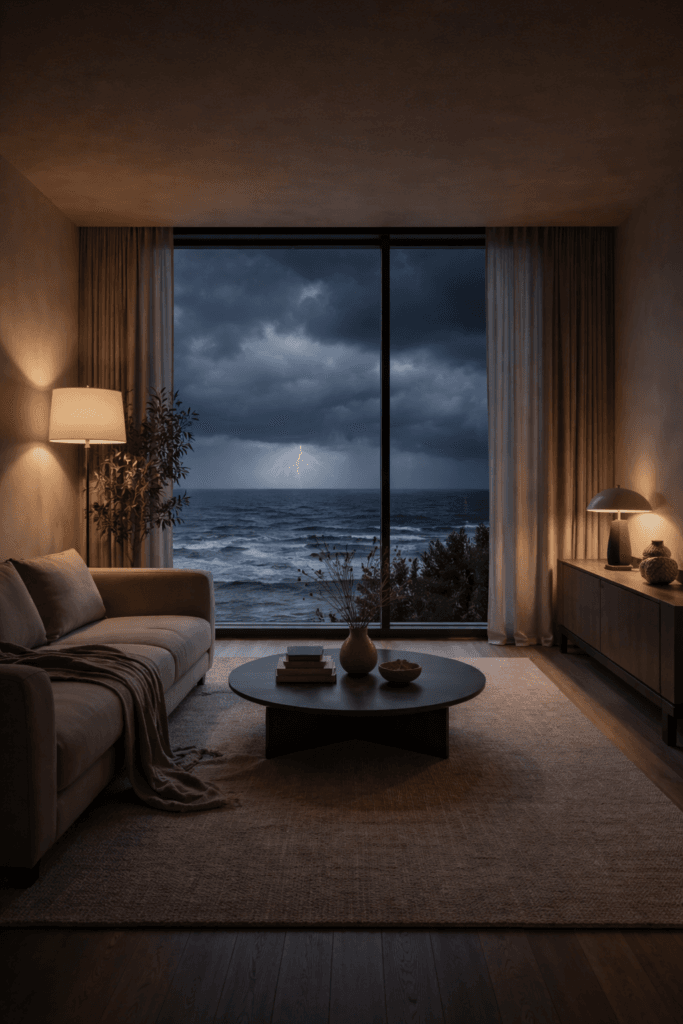
Although both styles draw from medieval history, they serve completely different psychological purposes. Gothic Castlecore is symbolic, dramatic, and emotionally charged. It uses contrast, shadow, ornament, and visual storytelling to create atmosphere.
Monastic Castlecore removes symbolism in favor of function. Where Gothic wants to evoke awe or mystery, Monastic wants to create mental quiet. Where Gothic layers visual elements, Monastic subtracts them.
In practice, Gothic rooms often feature arches, dark colors, art, and expressive objects. Monastic rooms feature plain walls, fewer objects, simpler furniture, and more empty space. One is outwardly expressive; the other is inwardly supportive.
Understanding this difference helps prevent accidental blending. If your goal is rest, clarity, and focus, lean away from Gothic drama and toward monastic restraint.
If you’re unsure which direction fits your personality, read the full Gothic Castlecore guide and compare it to the principles here.
19. Monastic vs Enchanted Cottage Castlecore
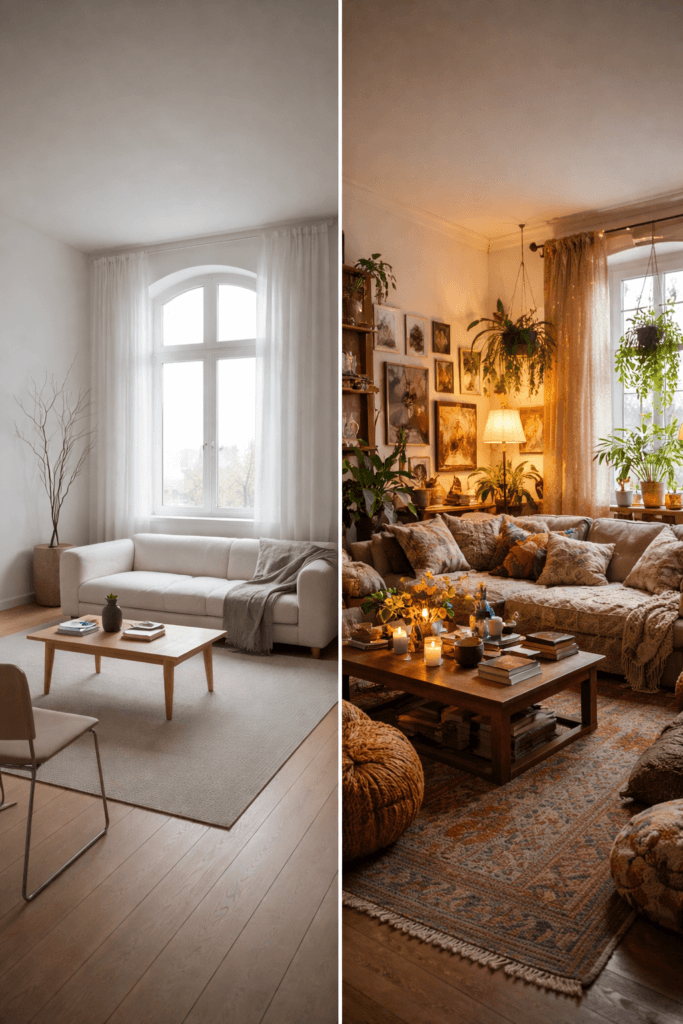
Enchanted Cottage Castlecore is built on warmth, layering, and gentle abundance. It feels storybook, comforting, and emotionally rich. Monastic Castlecore, by contrast, is structured, sparse, and quiet.
Cottage spaces invite you to nest. Monastic spaces invite you to breathe.
In practical terms, Cottage uses more textiles, more objects, more visible collections, and more visual softness. Monastic uses fewer items, more empty space, and stricter editing. Both are comforting, but in different ways: one through emotional warmth, the other through mental clarity.
If you find yourself feeling overstimulated even in cozy spaces, Monastic Castlecore will likely suit you better. If you need emotional richness and visual storytelling, Cottage will feel more natural.If you’re unsure which direction fits your personality, read the full Gothic Castlecore guide and compare it to the principles here.
20. Building a Home That Protects Your Attention
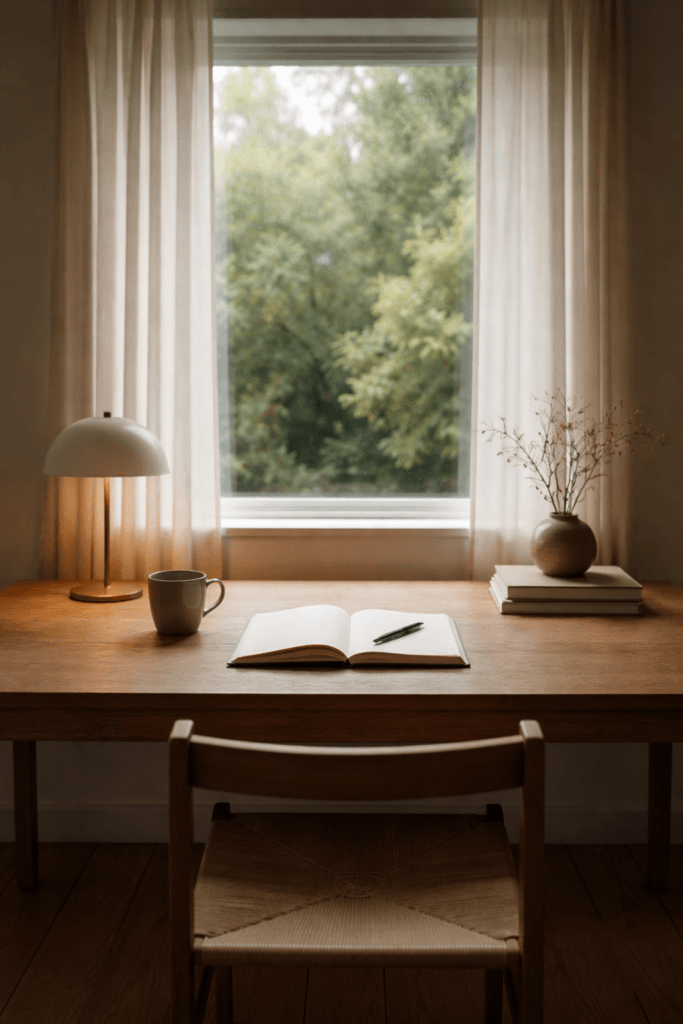
This is the true purpose of Monastic Castlecore. It is not about style—it is about attention economics. Every object, color, and sound in your home competes for your mental energy. This style is designed to reduce that competition.
A monastic home supports:
- Reading
- Deep rest
- Focused work
- Slow mornings and evenings
- Fewer decisions and fewer distractions
Over time, this changes how you move, think, and even plan your days. The home stops being a background stressor and becomes an active support system.
When deciding whether something belongs, ask: does this protect my attention, or consume it?
Within the broader Castlecore world, Monastic is the quiet counterpoint to Royal Castlecore’s formality, Gothic Castlecore’s intensity, and Vintage European Castlecore’s layered historic richness.
Final Thoughts: A Home as a Place of Quiet Strength
Monastic Castlecore is not an escape from life. It is a structure that makes life easier to carry.
A home like this reduces decision fatigue, lowers background stress, and creates conditions for deeper rest, better focus, and more intentional days. It does not impress guests. It supports the people who live in it.
Over years, not months, this kind of environment reshapes habits. You read more, sleep better and think more clearly. You stop filling silence and start using it.
In a world designed to fragment attention, a monastic home is not just beautiful—it is quietly radical.