
Soft + Serene Bedroom Moodboards for Restful Nights
April 5, 2026
Trending Finds Readers Are Loving
Explore affordable luxe discoveries people are clicking on right now.
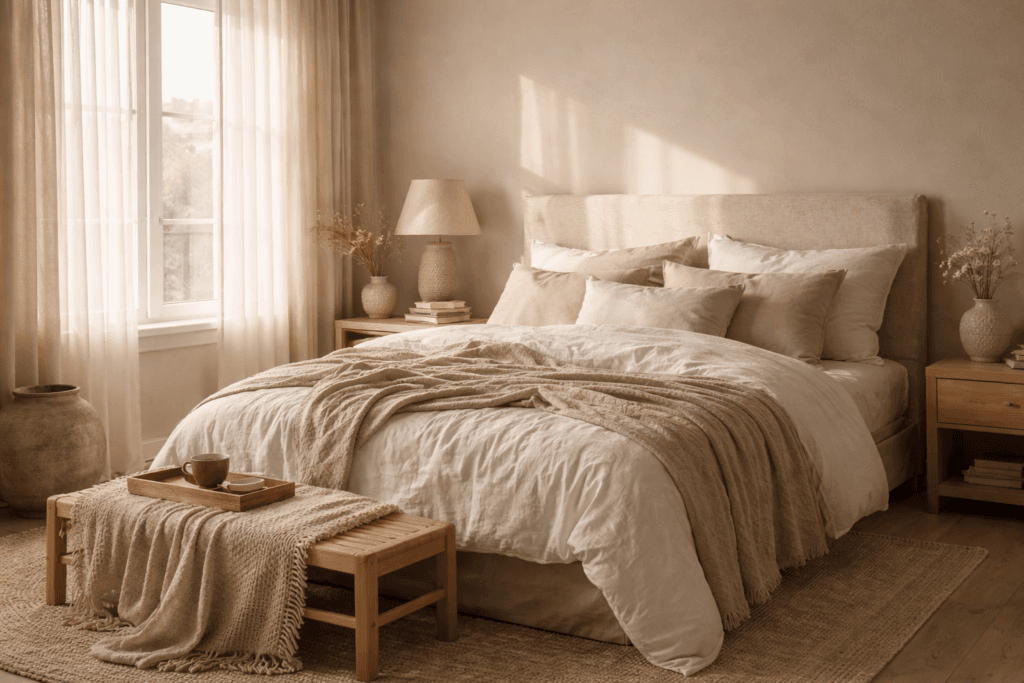
See What's TrendingA restful bedroom doesn’t happen by accident. It’s the result of thoughtful choices that work together to create calm — visually, emotionally, and physically. Color, texture, and light all play a role, but without direction, even beautiful elements can feel disconnected.
This is where moodboards become essential.
Soft and serene bedroom moodboards help translate the feeling of rest into design decisions. They allow you to visualize how a space should feel before anything is moved, replaced, or added. Instead of decorating reactively, moodboards guide you toward intention.
A serene bedroom isn’t about trends or perfection. It’s about softness, balance, and ease. When a bedroom feels visually calm, the body often follows.
Why Soft Design Matters for Restful Sleep
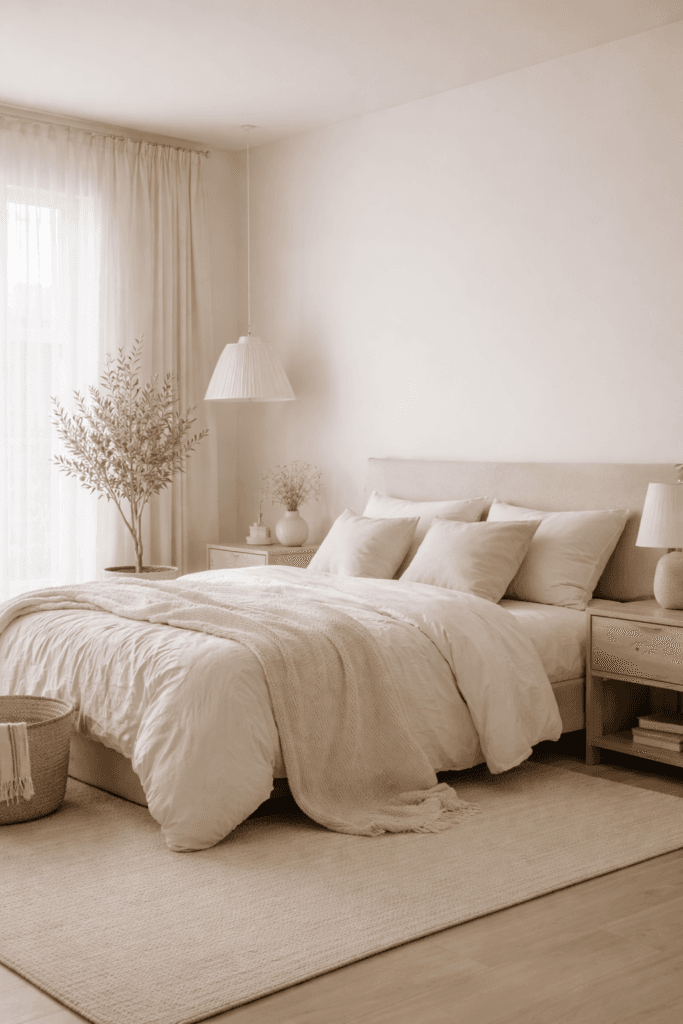
Bedrooms are different from every other room in the home. They aren’t designed for productivity, entertaining, or display — they’re designed for rest.
Research consistently shows that visual calm supports better sleep quality. According to the Sleep Foundation, environments that minimize visual stimulation and harsh contrast help the body transition more easily into rest.
https://www.sleepfoundation.org/bedroom-environment
Soft bedroom moodboards focus on reducing visual noise. Instead of bold contrast or busy patterns, they emphasize gentle transitions, cohesive palettes, and materials that feel comforting rather than energizing.
What Defines a Soft + Serene Bedroom Moodboard
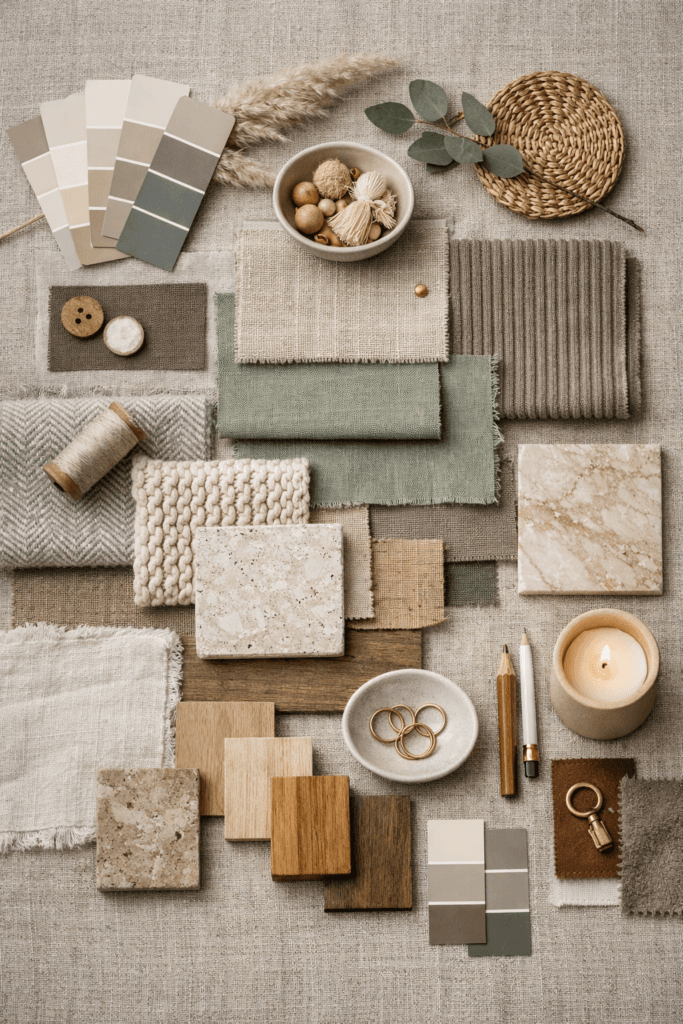
Soft doesn’t mean boring, and serene doesn’t mean empty. A well-crafted bedroom moodboard balances interest with restraint.
Key elements often include:
- Muted, low-contrast color palettes
- Warm whites, soft neutrals, and gentle pastels
- Natural, breathable textures
- Simple forms with minimal visual interruption
Moodboards bring these elements together so they can be evaluated as a whole. This prevents common mistakes like mixing calming colors with overly sharp finishes or pairing soft textiles with harsh lighting.
Color Palettes That Encourage Rest
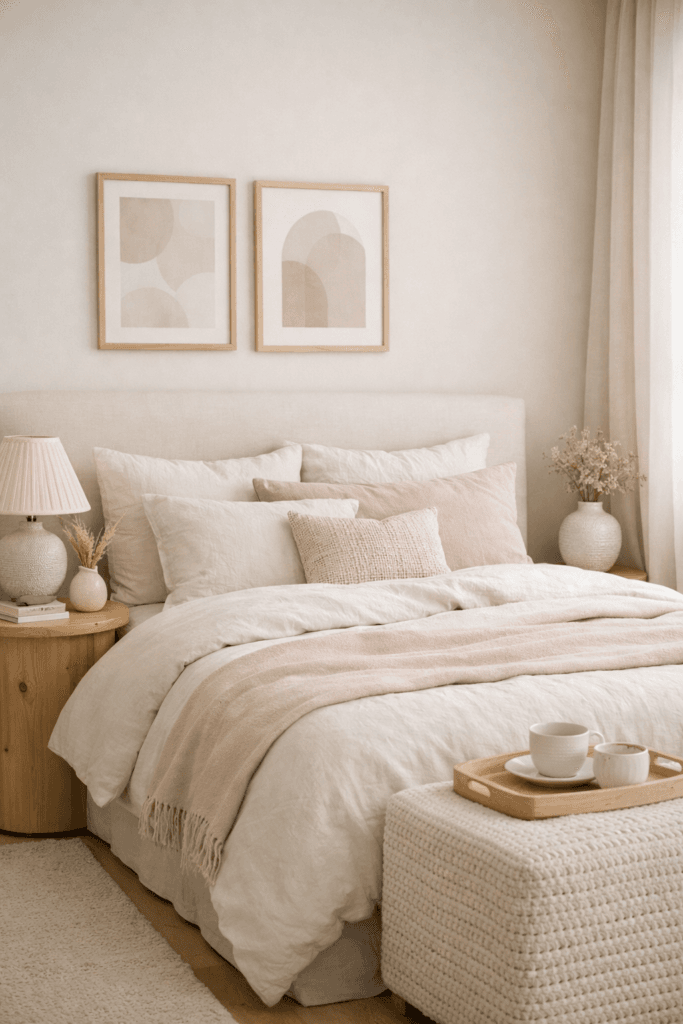
Color plays a direct role in how the brain interprets a space. In bedrooms, the goal is to signal safety, stillness, and ease.
Soft bedroom moodboards often rely on:
- Warm whites instead of stark white
- Pale taupe, sand, or greige
- Muted sage, dusty blue, or lavender
- Tonal layering rather than contrast
Design guidance from The Spruce notes that softer, desaturated hues are especially effective in bedrooms because they reduce stimulation and visual tension.
https://www.thespruce.com/best-bedroom-colors-5211013
Moodboards allow these palettes to be tested under different lighting conditions, ensuring they remain soothing throughout the day and night.
The Role of Texture in Creating Serenity

Texture is what prevents soft bedrooms from feeling flat. While color sets the mood, texture creates comfort.
Serene bedroom moodboards typically include:
- Linen or cotton bedding
- Lightly woven rugs
- Upholstered or padded surfaces
- Natural wood with soft finishes
These textures absorb light rather than reflect it, creating a quieter visual environment. Moodboards help ensure texture feels layered, not cluttered.
Lighting as Part of the Moodboard
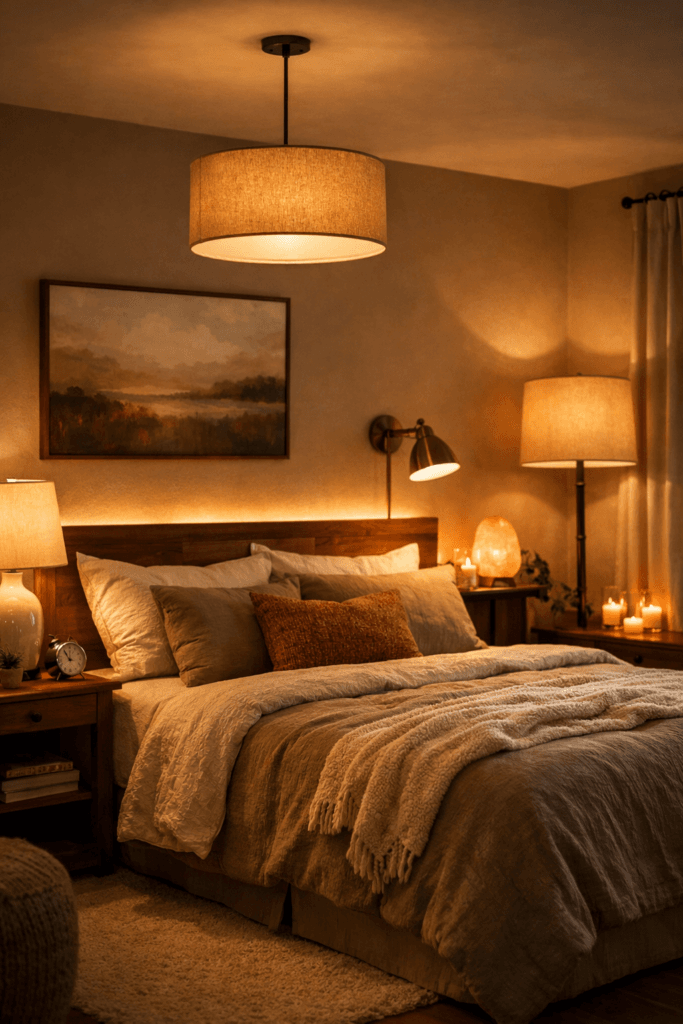
Lighting should never be an afterthought in bedroom design. Harsh or overly bright lighting can undo even the most serene palette.
Soft bedroom moodboards often incorporate:
- Warm-toned lighting references
- Diffused light sources
- Layered lighting rather than a single overhead fixture
According to Architectural Digest, bedrooms benefit from layered lighting that allows brightness to adjust with time and mood.
https://www.architecturaldigest.com/story/bedroom-lighting-ideas
Including lighting references in moodboards ensures that serenity extends beyond color and furniture.
oft + Serene Bedroom Moodboards for Different Sleep Styles
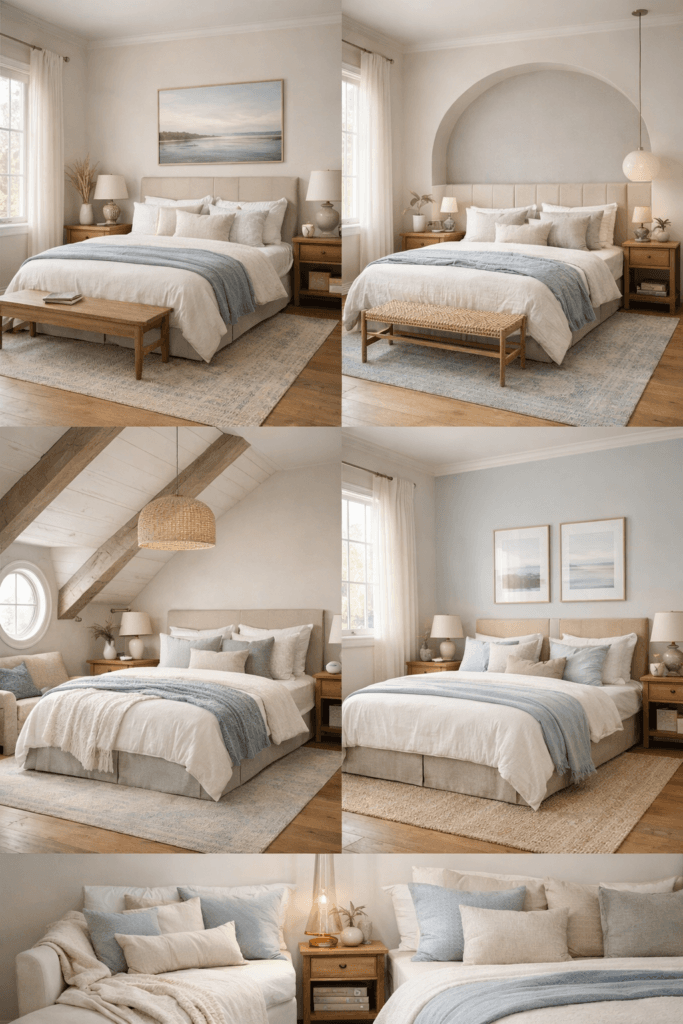
Not everyone rests the same way, and a serene bedroom should support how you actually sleep — not just how the space looks.
For light sleepers, moodboards should prioritize visual simplicity. Low-contrast palettes, minimal patterns, and softly layered textures help reduce stimulation. Pale neutrals, gentle tonal shifts, and matte finishes create an environment that feels predictable and calm.
For those who struggle to unwind at night, moodboards can lean into grounding elements. Slightly deeper neutrals, cocooning textures, and enclosed compositions help the space feel protective rather than open. Soft woods, upholstered headboards, and layered bedding often work well here.
According to the Sleep Foundation, consistency in the sleep environment plays a major role in helping the body associate a space with rest.
https://www.sleepfoundation.org/how-sleep-works
Moodboards allow these preferences to be visualized before design decisions are made, ensuring the bedroom supports rest rather than interrupts it.
Creating Serenity Through Visual Simplicity
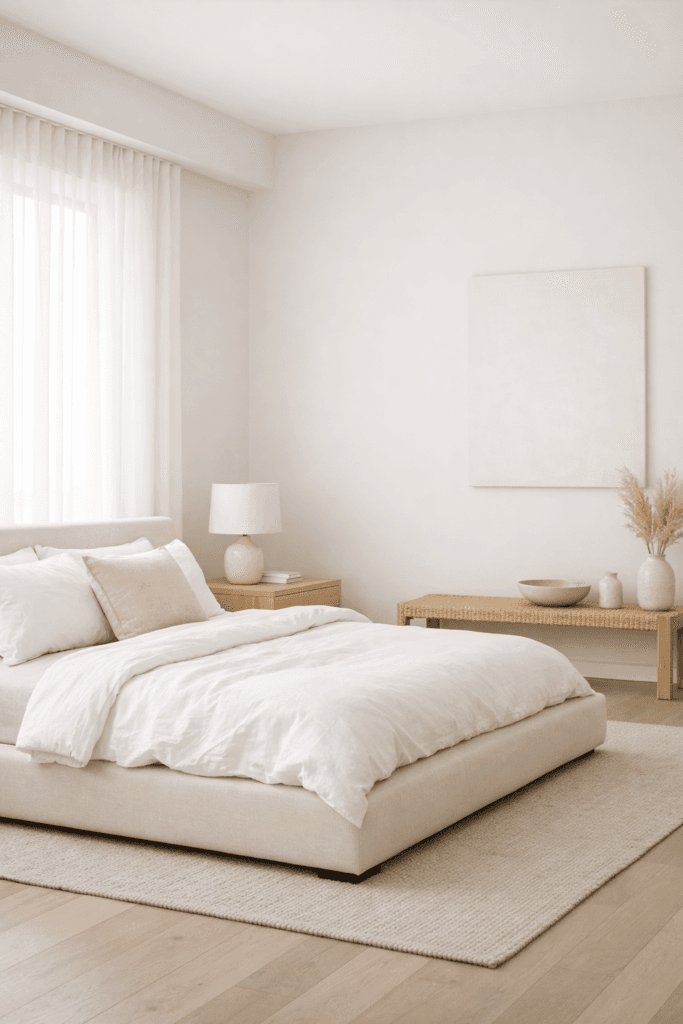
One of the most overlooked aspects of restful bedroom design is visual quiet.
Serene bedroom moodboards often limit:
- Strong contrast
- Competing patterns
- Excess décor
- Sharp material transitions
Instead, they focus on flow. Colors move gently from one surface to another. Textures repeat subtly. Nothing demands attention.
Design experts at Dwell frequently emphasize that spaces designed for calm rely on continuity rather than focal points.
https://www.dwell.com/article/bedroom-design-ideas-for-better-sleep-7d82b5c3
Moodboards make this continuity visible — helping you identify where a space feels interrupted or overstimulating.
Refreshing a Bedroom Without Buying Everything New
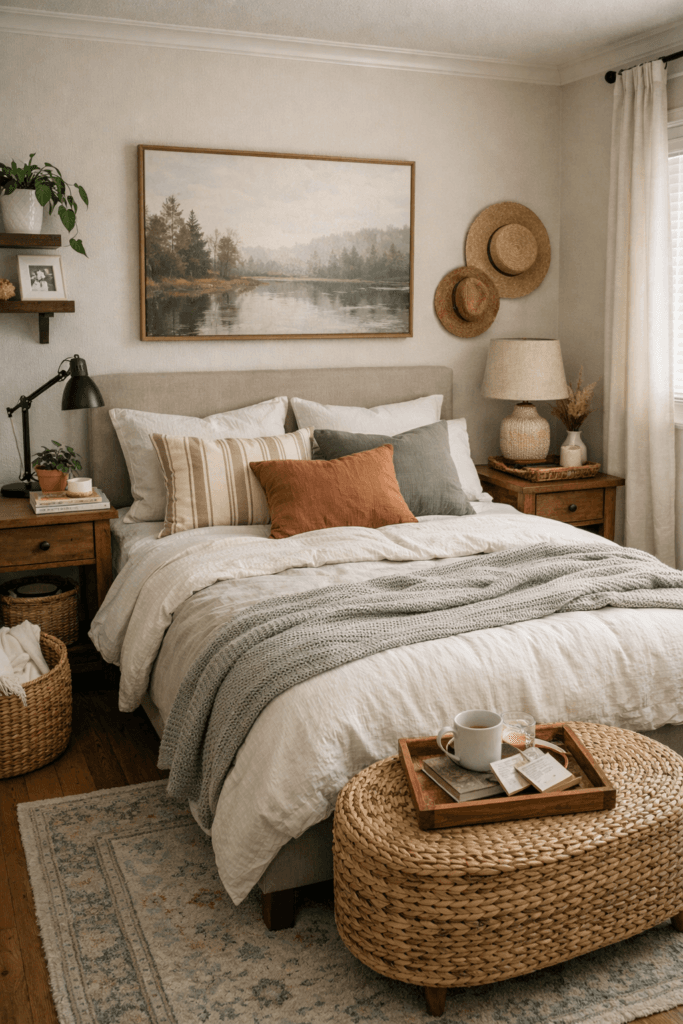
A restful bedroom reset doesn’t require replacing furniture or starting from scratch. Often, the most effective changes involve editing rather than adding.
Soft bedroom moodboards can reveal:
- Which colors feel too heavy
- Where texture is missing
- Which pieces disrupt visual flow
- How lighting can be softened
Simple adjustments — such as swapping bedding textures, reducing décor, or changing the placement of furniture — can dramatically shift how a bedroom feels.
Interior guidance from The Spruce consistently notes that reducing visual clutter improves perceived calm and restfulness.
https://www.thespruce.com/declutter-bedroom-for-better-sleep-5211176
Moodboards act as a reference point, helping you refresh with intention rather than impulse.
Common Bedroom Moodboard Mistakes to Avoid
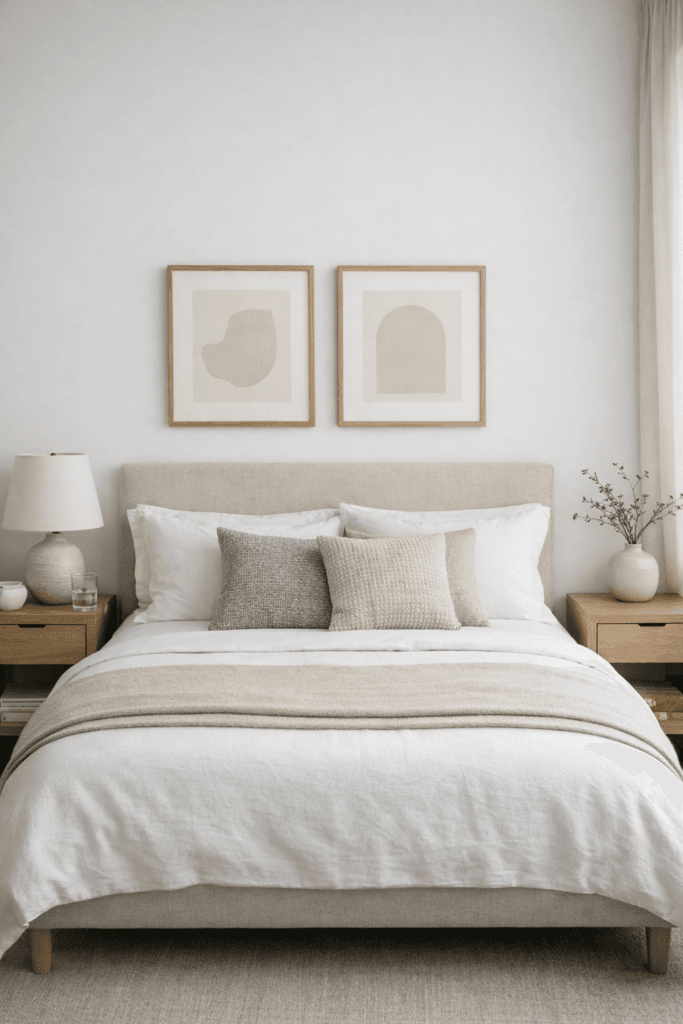
Even well-intentioned designs can undermine rest when certain mistakes creep in.
Common issues include:
- Using stark whites that feel cold at night
- Over-layering patterns in an effort to add softness
- Ignoring how artificial lighting affects color
- Treating the bedroom like a display space rather than a retreat
Moodboards prevent these mistakes by forcing all elements to work together visually before they’re introduced into the room.
A bedroom that looks calm during the day should feel just as soothing at night — moodboards help ensure that balance.
Final Thoughts
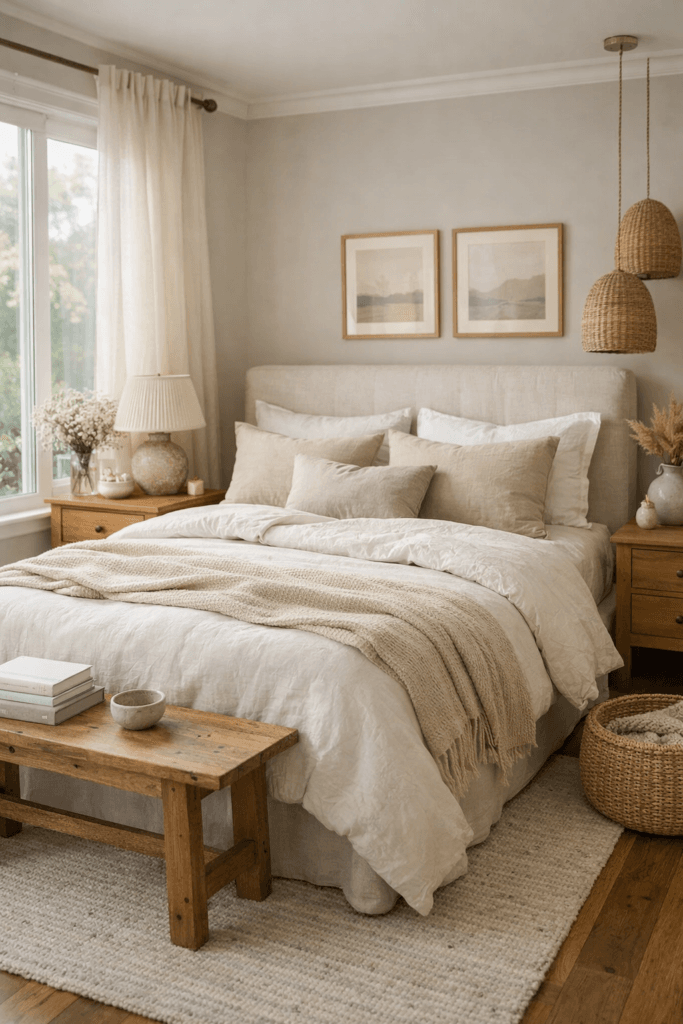
Restful bedrooms aren’t created through decoration alone. They’re built through restraint, softness, and clarity.
When moodboards guide the process, each choice feels connected rather than reactive. Color, texture, and light work together to support rest instead of competing for attention.
Soft and serene bedroom moodboards don’t chase trends. They create spaces that feel safe, quiet, and restorative — night after night.