
The Outfit Illusion: How Clothes Shape What Others See
September 10, 2025
Trending Finds Readers Are Loving
Explore affordable luxe discoveries people are clicking on right now.
See What's TrendingYou don’t get a second chance at a first impression—and your outfit is often what speaks before you do. Without saying a word, your clothes signal who you are, what you value, and even how much attention you pay to detail. But here’s the catch: you’re not always in control of how others interpret your look. There’s a quiet, almost invisible language in styling that influences perception, and learning how to master it means stepping into the illusion—intentionally.
Outfits aren’t just fabric combinations; they’re visual cues. Subtle things like where a shirt hem ends, the way a blazer fits at the shoulder, or how colors contrast against your skin tone—all of these details create optical effects that either flatter or confuse the eye. This is where outfit illusion comes into play. It’s not about tricking anyone. It’s about communicating through shape, proportion, texture, and color to craft a version of yourself that aligns with how you want to be seen.
Fashion stylists and image consultants have long understood this visual influence. In fact, according to a study on enclothed cognition from Northwestern University, what you wear can even influence your own behavior and confidence levels—meaning the illusion starts within before radiating outward.
The Power of Silhouettes
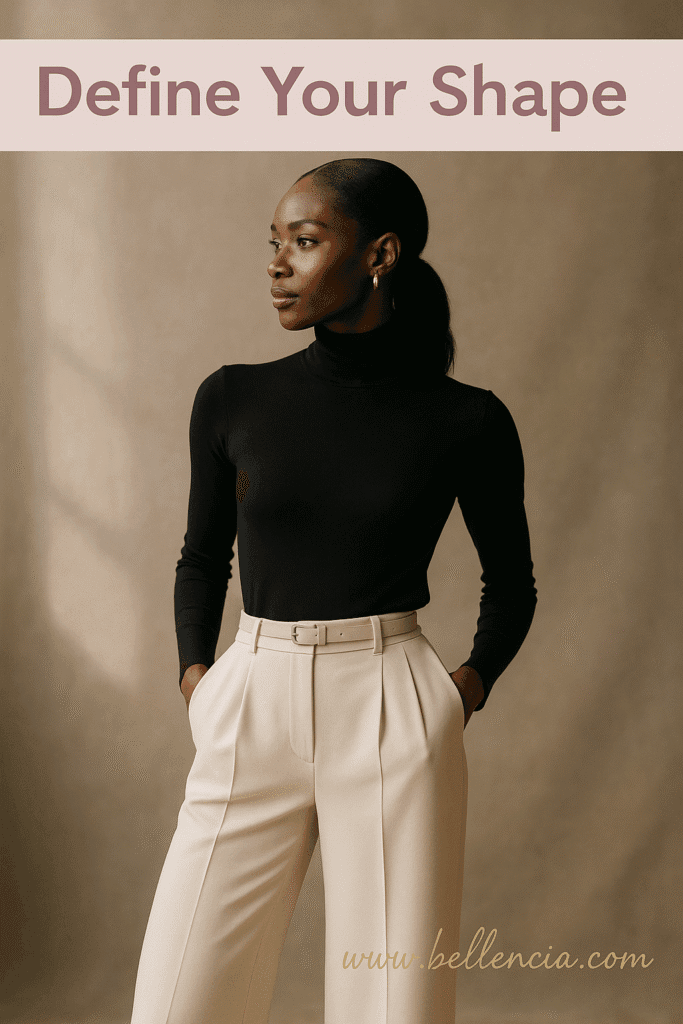
When someone sees you, the brain processes your overall silhouette before it ever registers the pieces you’re wearing. That’s why the shape of your outfit is more important than any trendy print or designer label. Think of silhouettes as the outline of your energy. A cinched waist reads as polished and feminine. Oversized outerwear suggests ease or authority depending on what it’s paired with. A well-fitted pair of trousers that graze your ankle says something different than a puddle hem or a dramatic flare. Each communicates a different intention—even when you’re unaware.
This is why two people wearing similar items can look drastically different. One person understands where the volume lives and how to balance it; the other is at the mercy of the fabric. So next time you’re getting dressed, step back and look at your silhouette. Where does the eye naturally land? Is your shape communicating balance or chaos? Control or indecision?
Color Placement and Visual Hierarchy
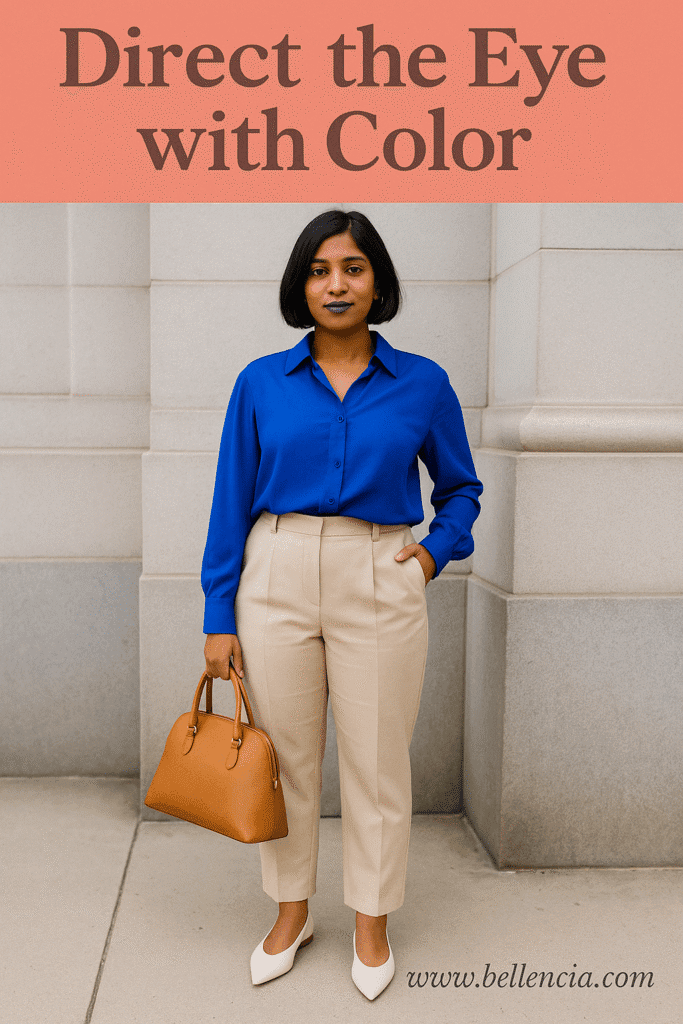
Color doesn’t just express mood—it directs the eye. Bold shades like red, cobalt, and fuchsia will always draw attention to the area where they’re worn, while neutrals recede and create space for subtlety. If you want to elongate your body, a monochrome outfit in varying shades of the same color keeps the gaze vertical. If you want to highlight your face, wear color on top and ground your look with something muted on bottom.
And then there’s contrast. A high-contrast outfit (like black and white) creates crisp, immediate energy. Meanwhile, tonal dressing (think ivory with beige or slate with charcoal) creates softness and elegance. Both can be powerful—but they say very different things. This is where outfit illusion becomes styling strategy. You control the hierarchy of attention. You get to choose what’s noticed first.
Fabric Choice and Perception of Value
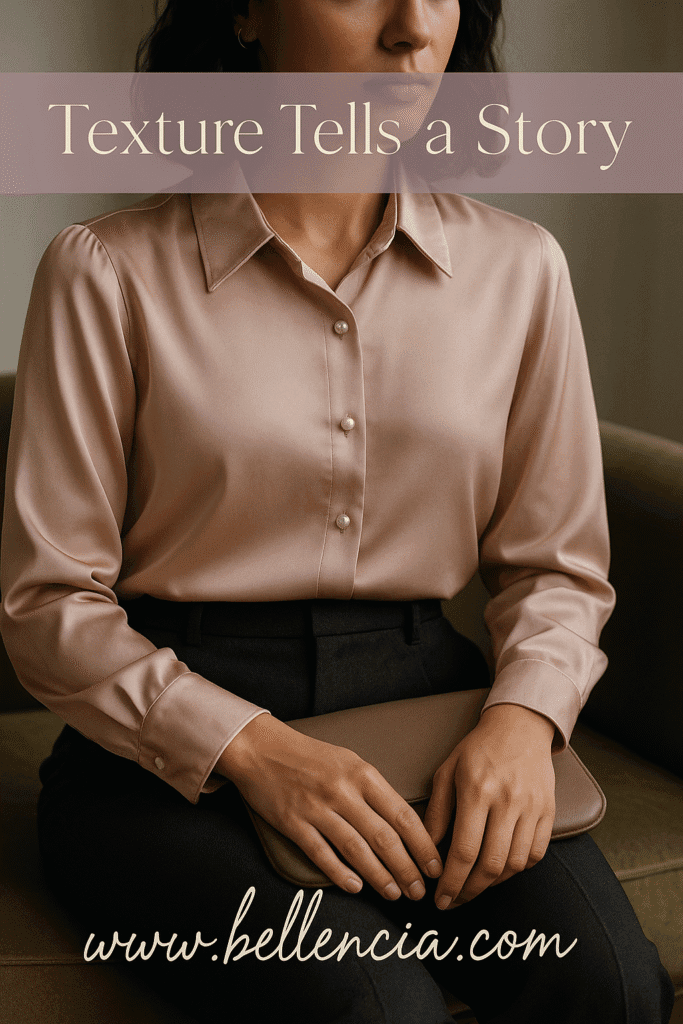
Certain fabrics inherently signal “expensive” even when they’re not. Think matte satin, structured cotton, wool blends, and genuine-looking faux leather. On the other hand, clingy polyester, wrinkled rayon, or overly thin knits can devalue your outfit even if it cost a lot. This isn’t about gatekeeping or luxury—it’s about the illusion of quality.
The finish of your garments matters. A ribbed knit may read cozy and accessible, while a crisp poplin shirt suggests discipline and polish. The smoother the surface, the sleeker the look. Want to look more editorial? Pair two contrasting textures (like tweed with silk) to create visual depth and movement that elevates even a simple outfit.
Body Language and Style Framing
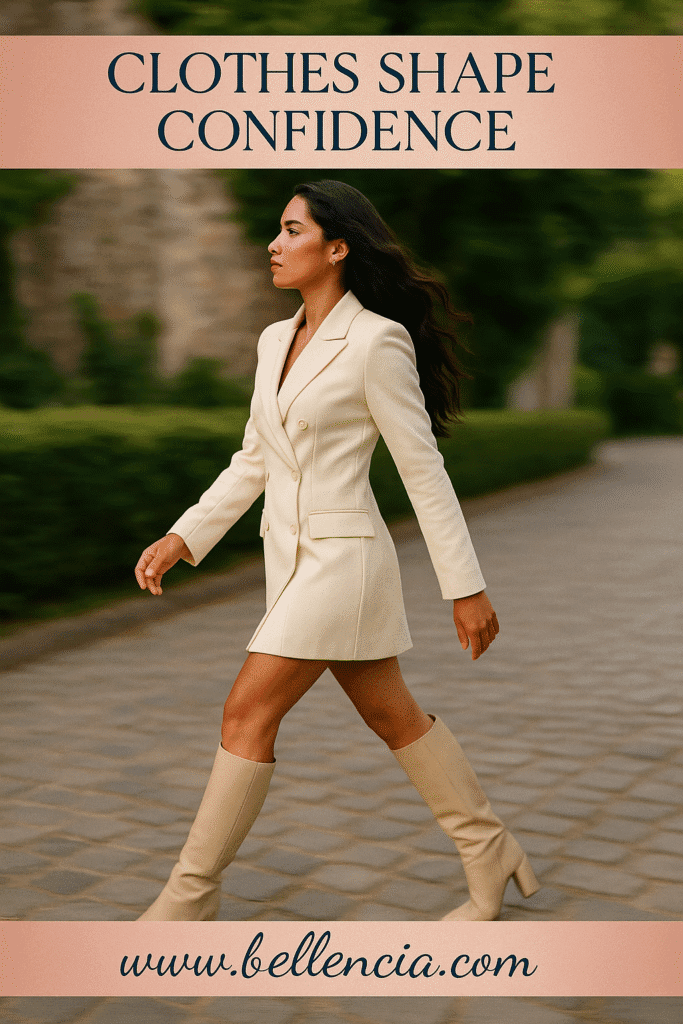
Here’s something no one talks about enough: your clothes frame your movement. They either enhance or restrict your body language. Structured shoulders can make you appear assertive. Long lines from high-waisted pants to pointed shoes lengthen your stride and make you seem confident. Flowy silhouettes may suggest warmth and approachability. The way you walk, sit, and move is subtly shaped by your outfit—and others pick up on that instantly.
This is why fashion often feels personal. It’s not just what you’re wearing, but how it interacts with you. When your outfit aligns with your posture, energy, and expression, it sends a coherent signal. That’s what makes it “work.” It looks intentional because it is.
Creating a Visual Statement Without Saying a Word
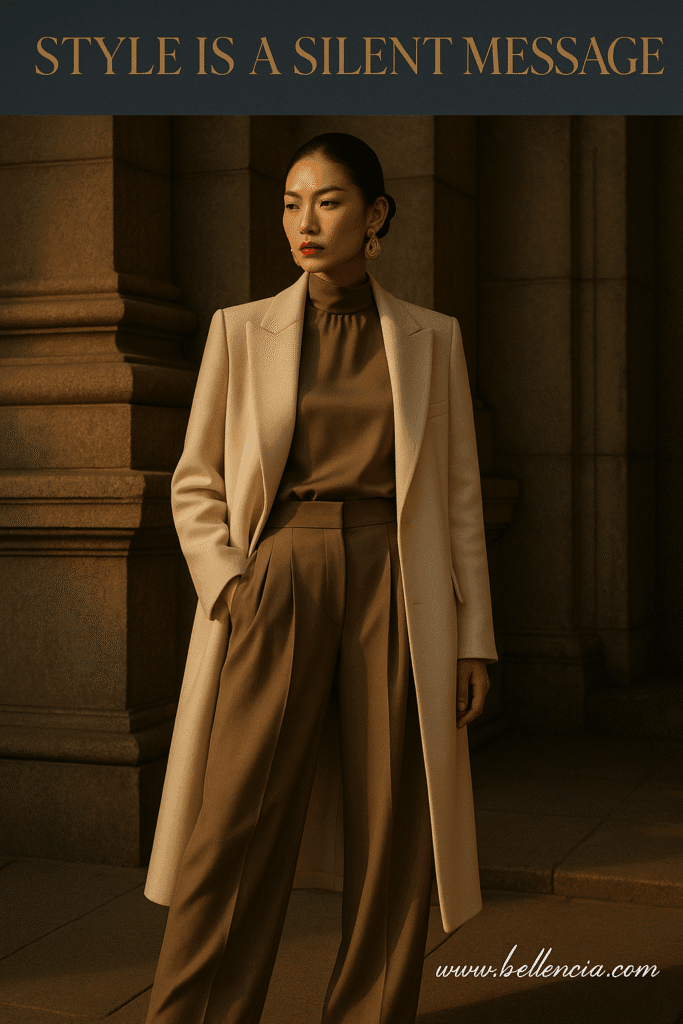
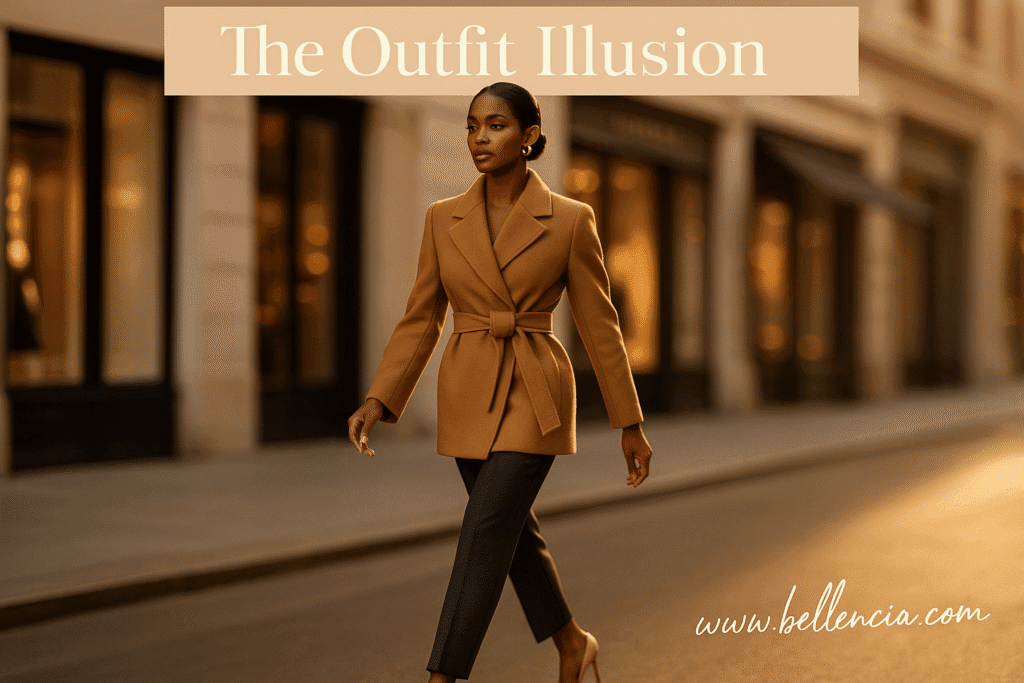
The magic of personal style isn’t about standing out. It’s about standing aligned—with your values, your identity, and your current state of mind. You don’t need to wear sequins to be memorable. A perfectly tailored camel coat or a pair of sculptural earrings can be louder than a neon dress if they’re styled with precision and purpose.
Outfit illusion is not about faking anything. It’s about understanding how clothes communicate on your behalf. When your proportions feel balanced, when your textures tell a story, when your palette sings in harmony—you’re not just getting dressed. You’re curating a message.
So next time you reach for an outfit, don’t ask “Does this look good?” Instead ask, “What is this saying about me?” Because what others see isn’t just an outfit—it’s a reflection of the energy you chose to put into the world.