
Remote Jobs in 2026: How to Find Legitimate Work-From-Home Opportunities
September 21, 2026
Trending Finds Readers Are Loving
Explore affordable luxe discoveries people are clicking on right now.
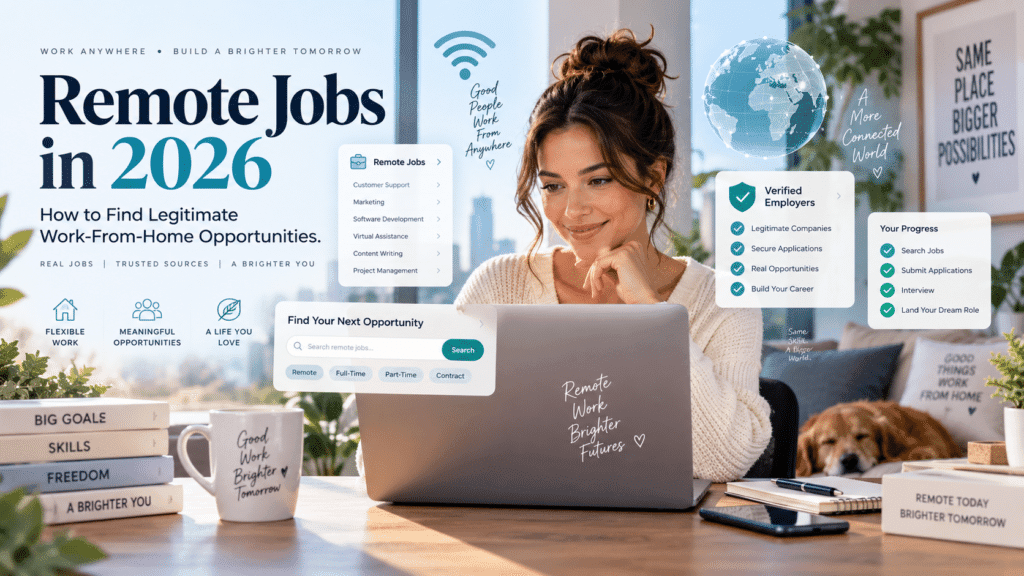
See What's TrendingRemote jobs continue to attract job seekers who want more flexibility, fewer commuting expenses, access to employers outside their local area, and the ability to build a career from home. But finding a legitimate remote job in 2026 takes more than typing “work from home” into a search bar and applying to the first position you see.
Remote job seekers now have to sort through thousands of listings, location restrictions, misleading job titles, highly competitive openings, and unfortunately, scams disguised as employment opportunities.
The good news is that legitimate work-from-home opportunities are still available across industries including insurance, healthcare, finance, human resources, e-commerce, technology, customer service, operations, claims, fraud prevention, data management, and administration.
The key is knowing where to look, what to look for, and how to position yourself as a strong remote candidate.
What Counts as a Remote Job in 2026?
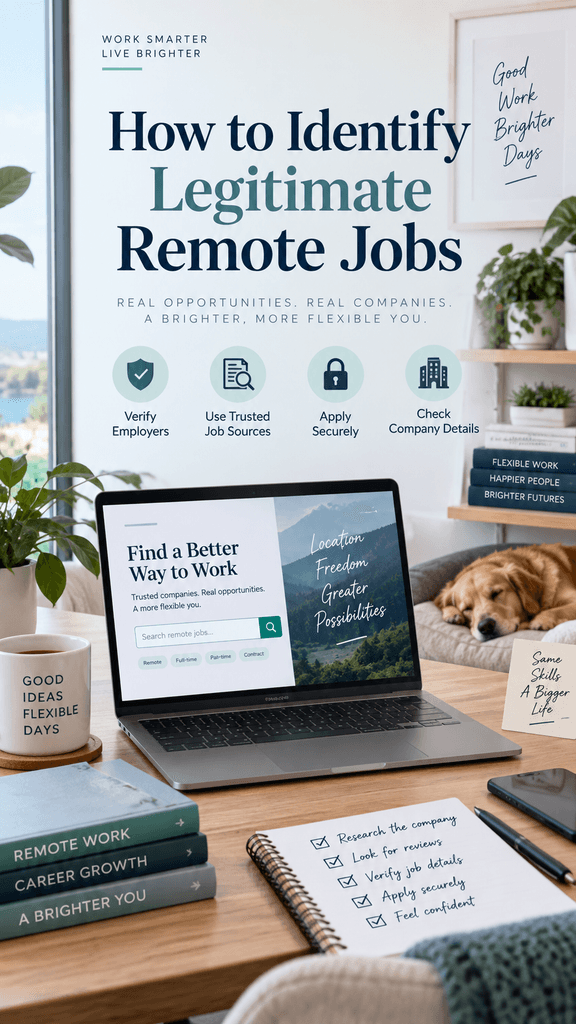
One of the first mistakes job seekers make is assuming every position labeled “remote” means they can work from anywhere.
That is not always the case.
A company may advertise a position as remote while requiring employees to live in specific states, work within a certain time zone, attend occasional in-person meetings, or complete training at an office.
Before applying, look for terms such as:
- Fully remote
- Remote – United States
- Remote – location specific
- Hybrid
- Remote with travel
- Work from home
- Distributed team
A fully remote job generally allows employees to perform their work from home without routinely reporting to an office. However, even fully remote employers may restrict hiring to certain states because of payroll, tax, licensing, or employment-law requirements.
Quick tip:
Never stop reading after you see the word Remote.
Scroll through the entire job description and search for phrases such as:
“Must reside in…”
“Candidates located in…”
“Training will be conducted onsite…”
“Must work Pacific Time hours…”
Catching these details early can save you from spending 30 minutes completing an application for a job you were never eligible to accept.
Where Are the Legitimate Remote Jobs?
Legitimate work-from-home jobs in 2026 can be found in far more areas than customer service.
Some popular remote career categories include:
Claims Processing
Claims processors and claims analysts review insurance claims, verify information, document decisions, identify discrepancies, and follow company processing guidelines.
These positions can be especially attractive to people who enjoy structured, detail-oriented work.
Fraud and Risk Operations
Fraud analysts, transaction specialists, and risk operations professionals review suspicious activity, investigate transactions, document findings, and escalate potential risks.
Human Resources
Remote HR coordinators may assist with onboarding, employee records, scheduling, documentation, benefits administration, and HR operations.
Healthcare Administration
Healthcare companies hire remote workers for claims processing, medical billing, payment posting, eligibility verification, prior authorization, credentialing, records management, and other administrative functions.
E-Commerce Operations
Online retailers need employees who can manage orders, refunds, inventory, marketplace listings, disputes, customer issues, and payment operations.
Data and Document Processing
Some companies hire remote employees to enter data, index records, verify documents, review applications, categorize information, or perform quality-control work.
And yes—non-phone remote jobs exist.
The trick is learning how to identify them.
How to Find Non-Phone Remote Jobs
If you want to work from home but do not want to spend your entire shift answering calls, avoid relying solely on the job title.
Instead, study the responsibilities.
A job description that repeatedly uses phrases such as:
- Inbound calls
- Outbound calls
- Call queue
- Dialer
- Call handling
- Contact center
- Phone coverage
- Telephone support
is probably phone-heavy.
On the other hand, descriptions containing phrases such as:
- Review documentation
- Process claims
- Research discrepancies
- Validate information
- Maintain records
- Process transactions
- Review accounts
- Document findings
- Manage queues
- Reconcile payments
- Audit records
may indicate a more back-office or non-phone remote position.
Keep in mind that non-phone rarely means you will never speak to another person. You may still attend team meetings, training sessions, video calls, or occasional internal conversations.
The difference is that phone calls are not the primary job function.
How to Find Entry-Level Remote Jobs
You do not necessarily need years of remote experience to land a work-from-home position.
Many companies hire for:
Entry-level remote jobs
Remote trainee positions
Junior remote roles
Remote jobs with training provided
Remote jobs with no direct experience required
Pay close attention to how employers word their requirements.
For example:
Three years of claims-processing experience required.
is very different from:
Three years of claims processing, customer service, data entry, healthcare administration, or related operational experience preferred.
The second employer is giving candidates more flexibility.
That means your transferable skills may qualify you even if your previous title does not perfectly match the new one.
Use Transferable Skills to Your Advantage

One of the best remote-job search strategies is to stop focusing only on job titles.
Instead, compare what you have actually done with what the employer needs.
You may already have experience with:
- Data entry
- Documentation
- Research
- Quality assurance
- Account review
- Transaction processing
- Customer support
- Excel
- Case management
- Queue management
- Record keeping
- SOP compliance
- Error identification
- Issue escalation
- Productivity goals
- Confidential information
These skills can transfer into multiple industries.
Someone who worked in e-commerce, for example, may be able to transition into order management, payment operations, fraud prevention, or claims support.
Someone with high-volume transaction-processing experience may qualify for claims operations or financial-services roles.
Your previous title does not have to dictate your next career move.
How to Spot a Remote Job Scam
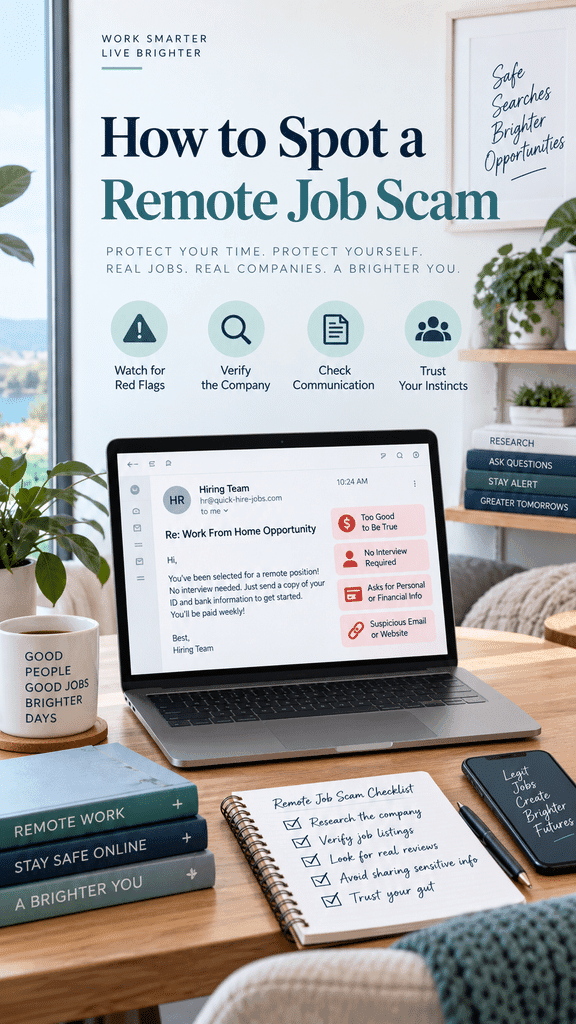
Remote job scams continue to target job seekers, so verifying an employer should become part of your application routine.
Before applying, search for the company’s official website independently.
Check whether the company has:
- A professional website
- A careers page
- A real business presence
- Company employees online
- Consistent contact information
- A legitimate email domain
It is also normal for employers to use third-party applicant tracking systems such as Workday, Greenhouse, Lever, JazzHR, iCIMS, SmartRecruiters, or Ashby.
That means an application link may not always use the company’s primary website domain.
However, there are some major warning signs you should never ignore.
Remote job scam red flags include:
- Being hired without a real interview
- Being asked to pay for equipment
- Receiving a check and being told to send money elsewhere
- Being asked to purchase gift cards
- Interviewing only through Telegram, WhatsApp, or text message
- Receiving emails from suspicious personal accounts
- Being pressured to provide banking information immediately
- Being offered unusually high pay for extremely simple work
- Being asked to send money before starting
A legitimate employer should be able to clearly explain the position, hiring process, compensation, and onboarding requirements.
Tailor Your Resume for Every Remote Position
Using the same resume for every remote application can hurt your chances.
Instead, adjust your resume so the most relevant experience appears first.
If you are applying for a remote claims job, emphasize skills such as:
Claims Review | Case Research | Documentation | Data Validation | Policy Compliance | Queue Management | Exception Handling
For fraud or risk roles:
Transaction Review | Fraud Investigation | Account Research | Risk Analysis | Payment Operations
For HR positions:
Records Management | Administrative Support | Employee Documentation | Onboarding Support | Scheduling | Policy Compliance
You should never claim experience you do not have.
The goal is to help recruiters understand how your existing experience relates to their opening.
Search Smarter, Not Harder
Instead of searching only for:
remote jobs
try specific searches such as:
entry level remote jobs
remote jobs no experience
non phone remote jobs
remote claims processor jobs
remote HR coordinator jobs
remote fraud analyst jobs
remote operations jobs
remote data entry jobs
work from home jobs hiring
Longer, more specific search phrases can help you uncover opportunities that are much closer to what you actually want.
Create a Daily Remote Job Search Routine
Consistency matters.
Try spending your job-search time strategically.
Start by checking newly posted opportunities from the last 24 to 72 hours.
Then:
- Verify the company.
- Read the entire job description.
- Check location requirements.
- Confirm the salary range if available.
- Determine whether the position is phone-heavy.
- Compare the requirements with your experience.
- Tailor your resume.
- Apply directly through the employer whenever possible.
- Track the application.
A spreadsheet or job tracker can help prevent duplicate applications while allowing you to follow up on promising opportunities.
Don’t Give Up Because You Don’t Meet 100% of the Requirements
Many job descriptions describe the employer’s ideal candidate—not necessarily the only candidate they will consider.
If you meet the core requirements and possess strong transferable skills, consider applying.
Pay close attention to words such as:
required
preferred
helpful
a plus
equivalent experience
These terms matter.
Do not automatically reject yourself before the employer has even reviewed your application.
The Bottom Line
Finding remote jobs in 2026 requires strategy, patience, and careful research, but legitimate work-from-home opportunities are available.
The strongest remote job seekers do more than submit applications.
They verify employers, understand location restrictions, identify transferable skills, tailor their resumes, recognize scams, and search for specific positions that align with their experience.
Whether you are searching for entry-level remote jobs, non-phone work-from-home jobs, remote claims positions, HR opportunities, fraud and risk roles, or flexible online work, the goal should be the same:
Find legitimate opportunities that move your career forward—not simply the first job that happens to say “remote.”