
The Rug Size Rule Designers Use That Instantly Makes a Room Look Expensive
August 2, 2026
Trending Finds Readers Are Loving
Explore affordable luxe discoveries people are clicking on right now.
See What's TrendingMost living rooms fail to feel expensive for one simple reason: the rug is too small for the space.
While paint color, lighting, and furniture selection often receive attention first, scale quietly determines whether a room reads as intentional or improvised.
An undersized rug disrupts proportion. It visually isolates the center of the room instead of anchoring it. Furniture begins to appear disconnected, as though each piece is floating independently rather than working as a unified composition.
Designers approach rugs differently. Instead of treating them as decorative accents, they treat them as architectural foundations. The rug defines the footprint of the seating zone. Everything else builds from that boundary.
Why Rug Size Controls Perceived Luxury
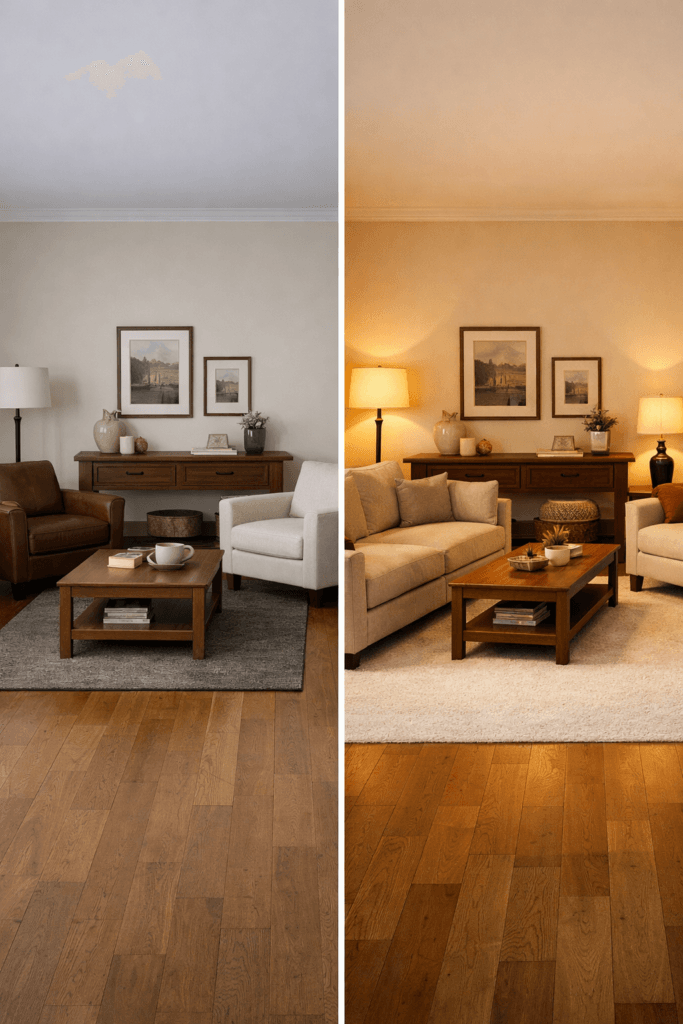
Luxury interiors feel expansive, even when square footage is modest.
This perception is not accidental. It is controlled through proportion.
When a rug is too small, exposed perimeter flooring creates visual fragmentation. The eye reads those breaks as interruption. Interruption reduces cohesion. Reduced cohesion lowers perceived value.
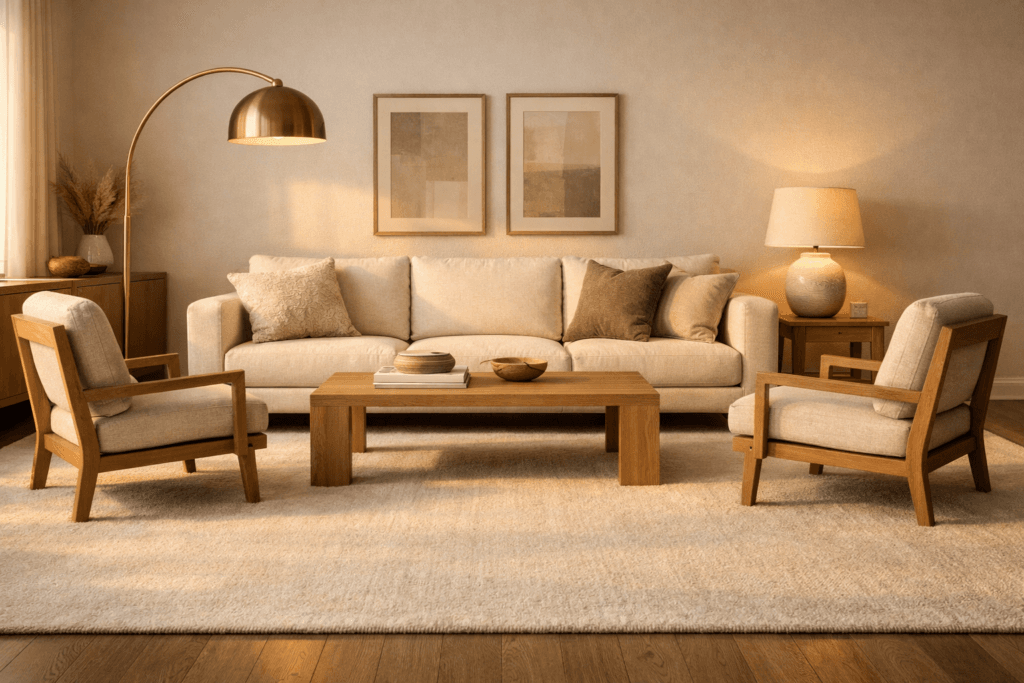
In contrast, when a rug extends beyond furniture edges, the entire layout feels grounded. Furniture legs resting comfortably on a larger rug create structural harmony. That harmony communicates stability.
Interior publications such as Architectural Digest consistently feature oversized rugs because larger foundations visually expand the room’s footprint and reinforce balance.
Small rugs emphasize what is missing. Larger rugs emphasize what is unified.
The Core Designer Rule for Living Rooms
At minimum, the front legs of every major seating piece should rest on the rug.
Ideally, all furniture legs should sit fully within the rug’s boundaries when space allows.
If a rug supports only the coffee table, the seating area loses structure. The room begins to resemble a showroom vignette rather than a cohesive environment.
That proportional logic mirrors the same principle used in wall art size rules, where artwork must relate to furniture scale, and in curtain height placement, where vertical lines define perceived height.
Proportion is never isolated. It works across the entire room simultaneously.
The Floating Island Effect
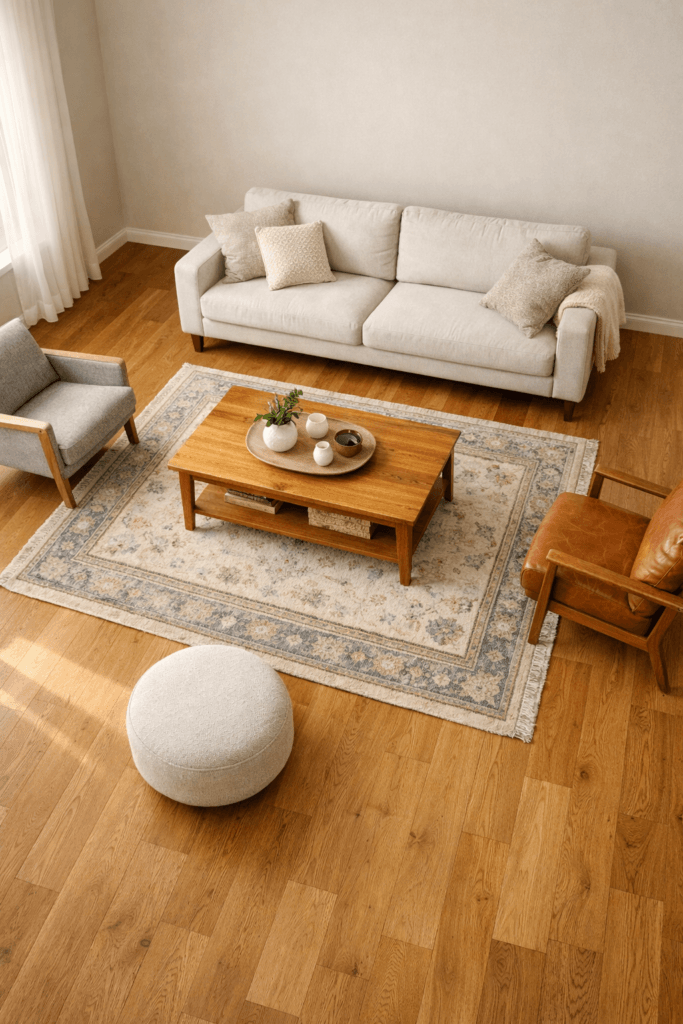
A small rug creates what designers often describe as a floating island effect.
Instead of anchoring the seating area, the rug becomes an isolated patch beneath the coffee table. The surrounding floor remains visually detached.
This detachment shrinks the room’s perceived footprint because the eye stops at the rug’s edge rather than continuing outward.
Luxury interiors avoid this interruption. They encourage visual flow.
When the rug stretches wider, the eye moves across the full seating zone without friction.
Warm Modern Beige Rug Strategy
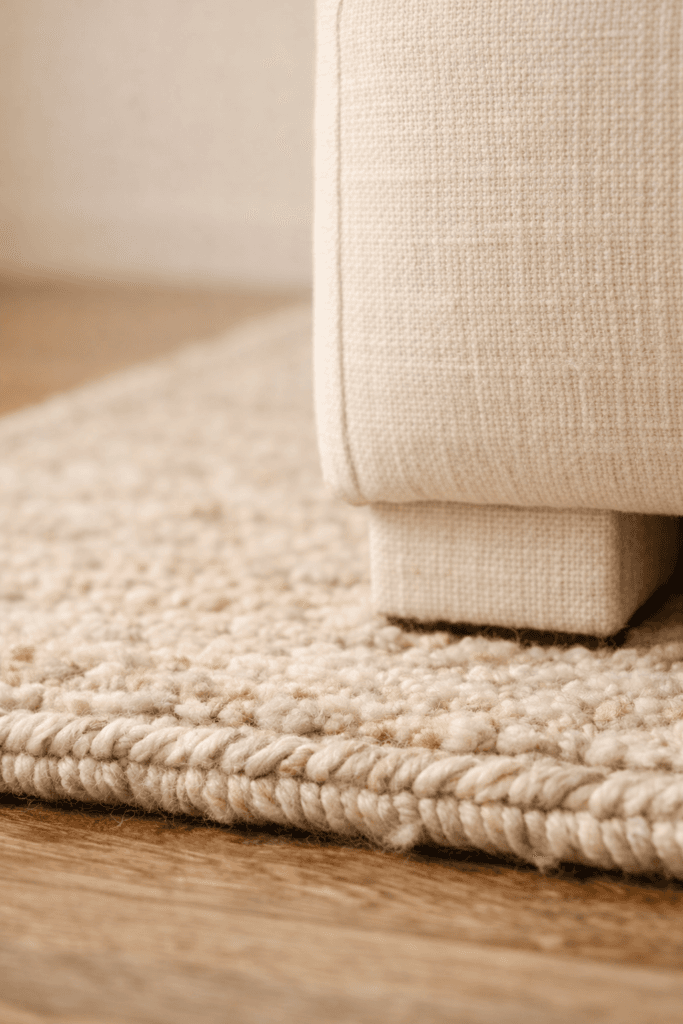
In a Warm Modern Beige interior, rug selection should reinforce softness and cohesion.
Ivory wool, oat beige, warm greige, and subtle taupe tones create continuity with soft ivory walls and linen upholstery. Heavy contrast underfoot can visually segment the room and interrupt openness.
Texture matters more than bold pattern in refined neutral spaces. Hand-knotted wool, low-pile woven textures, and subtle loop constructions reflect layered 2700K lighting in a way that adds depth without overwhelming the palette.
Under warm lighting, natural fibers create soft shadow gradients that enhance dimension rather than flatten it.
Why Larger Rugs Make Rooms Feel Bigger
Perceived square footage increases when the floor plane appears continuous.
A larger rug reduces the amount of exposed flooring surrounding the seating area. That reduction minimizes visual breaks.
When a rug nearly fills the furniture zone, the room reads as expansive and deliberate.
Smaller rugs exaggerate empty perimeter flooring, which visually shrinks the seating area.
Luxury design minimizes fragmentation and maximizes continuity.
Dining Room Proportion Formula
In dining spaces, rugs must extend at least 24 inches beyond the table’s edge on all sides.
This measurement ensures that chairs remain fully supported when pulled out.
When chair legs fall off the rug, instability becomes visible. Even subtle instability reduces refinement.
Balance and stability signal intention.
Intention signals value.
Bedroom Rug Placement Strategy
Bedrooms benefit from rugs that extend beyond the sides and foot of the bed.
A large rug placed under the entire bed frame and nightstands creates grounded symmetry. Alternatively, generous runners on each side can work in narrower rooms.
A small rug placed only at the foot of the bed disrupts balance and fails to anchor the space.
Why Budget Rooms Repeat This Mistake
Smaller rugs often appear more affordable, which makes them tempting during initial purchases.
However, undersized rugs quietly lower perceived value across the entire room.
This pattern appears frequently in common design mistakes that make a home look cheap, where proportion errors reduce refinement more than material cost ever could.
The Rug Audit
Stand at the entry point of your room and assess the seating zone.
Do furniture legs rest comfortably within the rug boundary?
Does the rug unify the layout instead of isolating the center?
If not, the room may feel smaller and less expensive than it truly is.
Before replacing furniture, adjust the foundation beneath it.
Correcting rug size often transforms the room more dramatically than any decorative accessory.
The Psychology of Scale and Why Small Rugs Quietly Lower Perceived Value
Undersized rugs do more than look slightly off. They change how the entire room is perceived.
When the floor plane is fragmented, the eye reads separation. Separation introduces visual tension. Tension reduces harmony.
Luxury interiors, by contrast, feel continuous. The seating area reads as one unified composition rather than scattered pieces resting on disconnected islands.
The Perimeter Exposure Problem
One of the most overlooked design mistakes is excessive perimeter flooring around a rug.
When too much bare floor surrounds a small rug, the exposed border creates a frame that visually shrinks the central layout. Instead of expanding the room, the rug becomes a spotlight on limited scale.
Designers often refer to this as perimeter exposure imbalance. The larger the exposed border relative to the rug’s size, the smaller the seating area feels.
Increasing rug dimensions reduces that imbalance and expands perceived square footage instantly.
Stop Buying Small Rugs
Small rugs are often selected because they appear practical or cost-effective.
In reality, they frequently become the most expensive mistake in the room because they force other elements to look undersized by comparison.
A sofa placed partially off a rug appears disconnected. Accent chairs sitting entirely outside the rug boundary feel temporary rather than tailored.
Designers avoid this tension by sizing rugs first, then arranging furniture inside that footprint.
Foundation precedes decoration.
Lighting and Rug Interaction
Rugs do not exist in isolation. They interact directly with lighting.
Under layered 2700K lighting, textured wool and woven fibers create subtle shadow gradients that add depth to the floor plane. Those shadows enhance dimension and increase the perception of richness.
When a rug is too small, lighting highlights the surrounding exposed floor instead of amplifying texture beneath the seating area.
This interaction is similar to the principles outlined in the designer lighting rule, where shadow placement determines depth and perceived value.
Scale and lighting must work together.
Exact Living Room Measurements
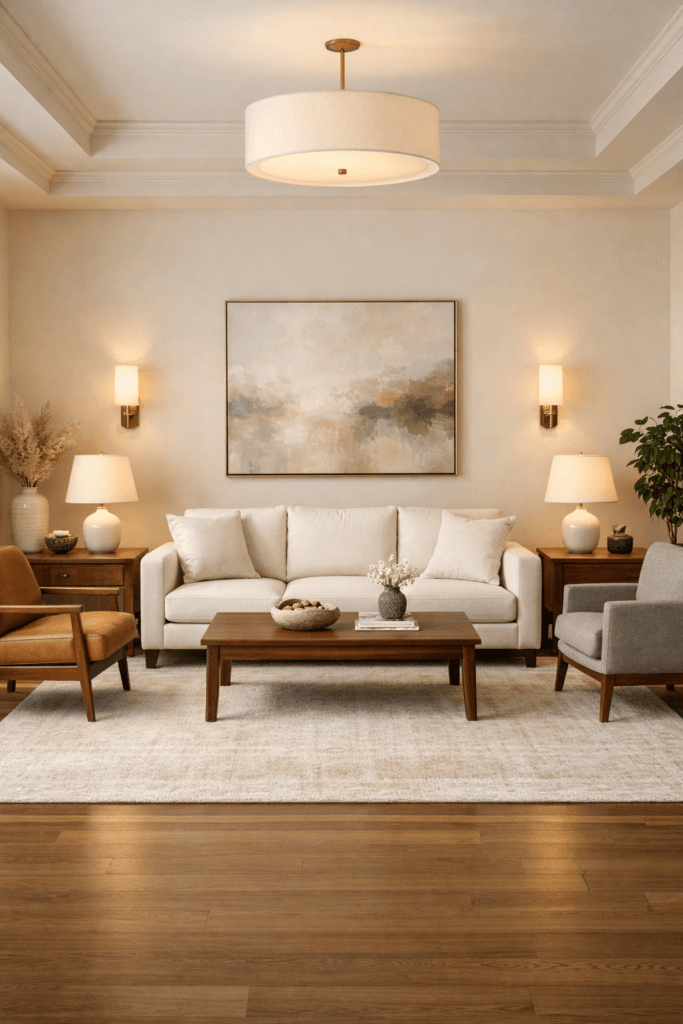
For most standard living rooms, an 8×10 rug is often too small unless the space itself is compact.
In medium-to-large rooms, a 9×12 or 10×14 rug typically creates better proportion. The rug should extend at least 6–12 inches beyond the outer edges of the seating arrangement.
When all front legs rest on the rug and the footprint feels generous, cohesion increases.
In open-concept spaces, rugs define zones. A larger rug clarifies boundaries without constructing physical walls.
Texture Signals Quality
In a Warm Modern Beige interior, rug texture contributes significantly to perceived refinement.
Hand-knotted wool introduces depth through subtle irregularity. Low-pile woven textures reflect ambient light softly. Natural fibers absorb warmth and prevent glare.
High-shine synthetic materials, especially in small formats, can flatten the space and reduce authenticity.
Luxury is often felt through texture before it is consciously identified.
Dining Room Scale and Stability
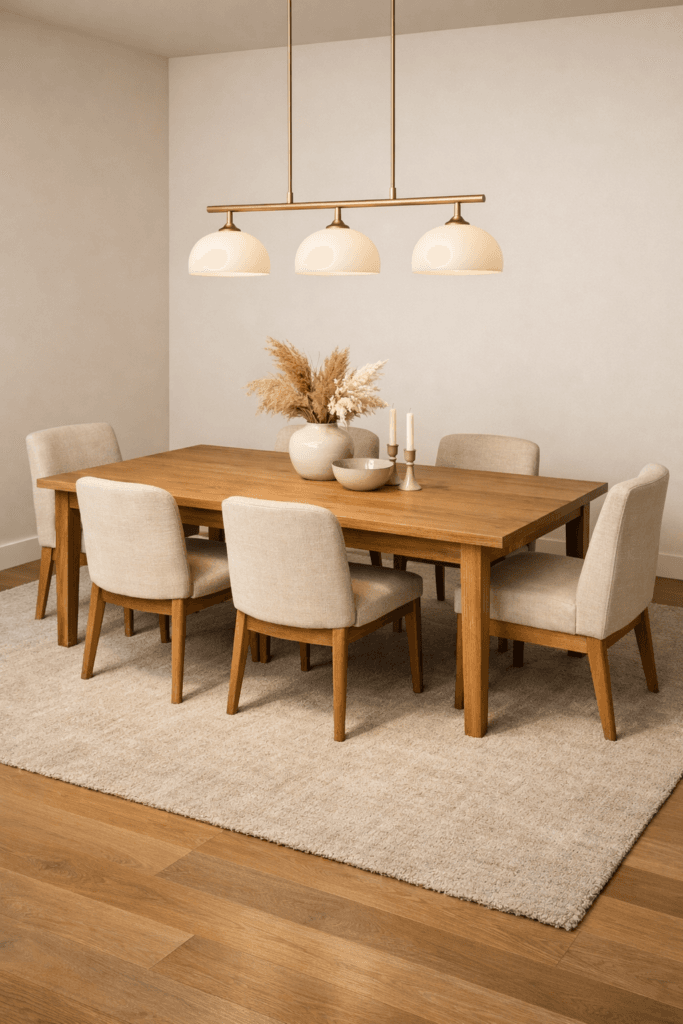
Dining rooms expose rug mistakes quickly.
When chairs scrape off the rug edge during movement, the instability becomes audible and visible. That instability disrupts the dining experience and signals poor proportion.
A rug that extends at least 24 inches beyond the table on every side ensures functional stability and visual balance.
Balance contributes to calm. Calm contributes to refinement.
Bedrooms and Grounded Symmetry
Bedrooms benefit from grounded symmetry beneath the bed.
A rug that extends generously beyond the bed frame creates visual weight and warmth underfoot. That extension anchors nightstands and prevents the bed from appearing isolated.
Placing a small rug only at the foot of the bed leaves the majority of the room unsupported.
Support is structural. Structure communicates permanence.
The Value Multiplier Effect
When rug scale is corrected, other elements improve automatically.
Sofas appear larger. Coffee tables feel proportional. Accent chairs feel intentional. Even artwork benefits because the floor plane now matches wall scale.
Design is interconnected. A single foundational correction can elevate the entire environment.
Before replacing furniture, reconsider the foundation beneath it.
Why Small Rugs Make Rooms Feel Cheap — And the Designer Audit That Fixes It
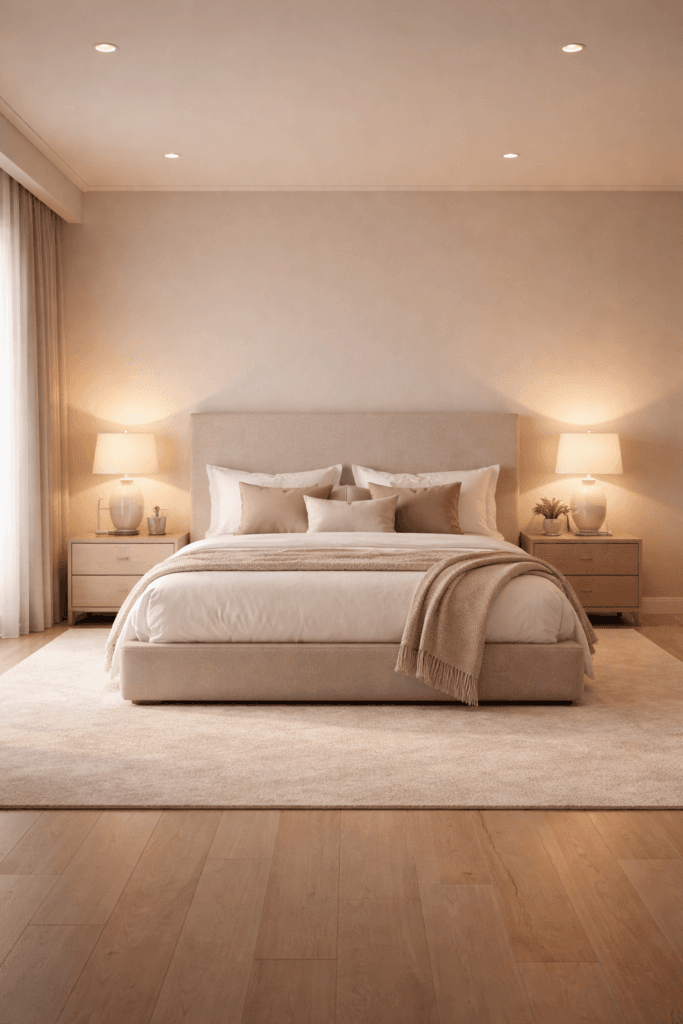
When a room feels slightly unfinished, the issue is often structural rather than decorative.
Accessories may be beautiful. Furniture may be well selected. Lighting may be layered correctly. Yet the space still lacks cohesion.
In many cases, the rug is responsible.
This Is Why It Feels Cheap
Luxury interiors feel grounded.
When a rug is too small, grounding disappears. The seating area begins to float inside exposed perimeter flooring. That floating effect introduces instability, even if it is not consciously recognized.
Instability reduces confidence. A room without confidence feels temporary.
Temporary environments rarely feel expensive.
Scale communicates permanence. Permanence communicates value.
Fragmentation vs Continuity
Undersized rugs fragment the floor plane.
Fragmentation interrupts visual flow and draws attention to empty edges. Those edges shorten the perceived width of the room and emphasize limitation.
In contrast, a properly scaled rug encourages the eye to move fluidly across the entire seating zone. That continuity expands perception.
Continuity is a recurring theme across refined interiors. The same logic appears in curtain height placement, where uninterrupted vertical lines elongate walls, and in wall art scale rules, where proportional width defines balance.
Luxury is rarely about cost. It is about cohesion.
Common Rug Mistakes That Lower Perceived Value
- Choosing a rug that fits only beneath the coffee table
- Allowing major furniture pieces to sit entirely off the rug
- Selecting a size based solely on price rather than proportion
- Ignoring dining chair clearance measurements
- Using high-contrast rugs that visually segment neutral interiors
Each decision may seem minor in isolation. Together, they shrink the room’s footprint and reduce visual authority.
The Designer Rug Checklist
- Front legs of all major seating resting on the rug
- At least 6–12 inches of rug extending beyond outer seating edges
- Dining rugs extending 24 inches beyond table perimeter
- Bedroom rugs extending beyond sides and foot of the bed
- Texture enhancing layered 2700K lighting
- Color supporting the Warm Modern Beige palette
If several of these elements are missing, proportion may be weakening the room.
The Evening Layout Test
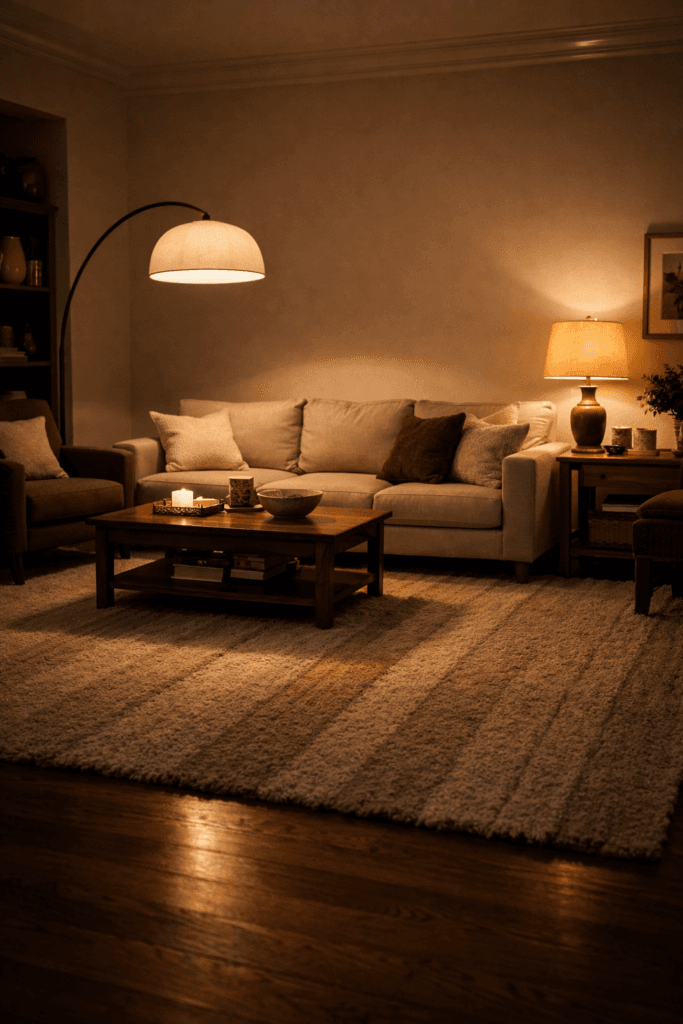
Evaluate your rug at night under layered lighting.
Turn off overhead lights and rely on floor lamps and table lamps to create shadow depth.
Observe how the rug interacts with the surrounding furniture. Does the seating area feel grounded, or does it appear to float within exposed flooring?
When properly scaled, the rug absorbs light softly and reinforces structure. When undersized, lighting highlights surrounding emptiness instead of enhancing texture.
The difference becomes visible once attention shifts to proportion.
Open Concept Spaces and Zone Definition
In open floor plans, rugs act as invisible walls.
A small rug weakens zone definition and allows areas to bleed into one another without clarity.
A larger rug establishes a distinct seating footprint, which improves spatial organization without adding physical barriers.
Clear boundaries create order. Order reinforces calm.
Foundation Before Decoration
Many homeowners attempt to elevate a room by layering additional decor.
However, adding throw pillows or artwork cannot compensate for a misaligned foundation.
Designers begin with structure. They correct scale before introducing detail.
The rug defines the ground plane. Once that plane is proportionally correct, every other element benefits automatically.
Sofas appear balanced. Coffee tables feel intentional. Accent chairs gain presence. Even lighting reads differently when anchored properly.
The Structural Philosophy of Luxury
Luxury is not excess.
It is disciplined proportion.
It is continuity across surfaces.
It is layered lighting interacting with texture.
It is editing and alignment rather than accumulation.
Before replacing furniture, correct rug size.
Before adding more decor, adjust scale.
When the foundation is proportionate, the room feels larger, calmer, and more refined.
The rug size rule designers use is not complicated. It requires discipline, awareness, and willingness to choose scale over savings.
Correct the foundation beneath your furniture.
The room will feel instantly more expensive.
Bellencinista Notes
A rug should anchor the entire seating area, not just the coffee table. Let furniture rest comfortably within its boundaries and extend the footprint generously. Scale creates stability, and stability is what makes a room feel expensive.