
How to Dress Rich for Every Occasion (Without Looking Overdone)
March 26, 2026
Trending Finds Readers Are Loving
Explore affordable luxe discoveries people are clicking on right now.
See What's TrendingDressing rich has very little to do with money and everything to do with intention. The most polished people in any room aren’t necessarily wearing the most expensive clothes — they’re wearing outfits that feel considered, balanced, and quietly confident.
To dress rich is to understand proportion, fabric, fit, and restraint. It’s knowing when to stop adding and when to simplify. It’s choosing pieces that communicate ease rather than effort, presence rather than performance.
True “rich” style doesn’t chase trends or logos. It relies on principles that work across every setting — casual, professional, social, and formal — because it’s built on timeless decisions rather than fleeting statements.
This guide breaks down how to dress rich for every occasion by focusing on the elements that actually matter.
What “Dressing Rich” Really Means
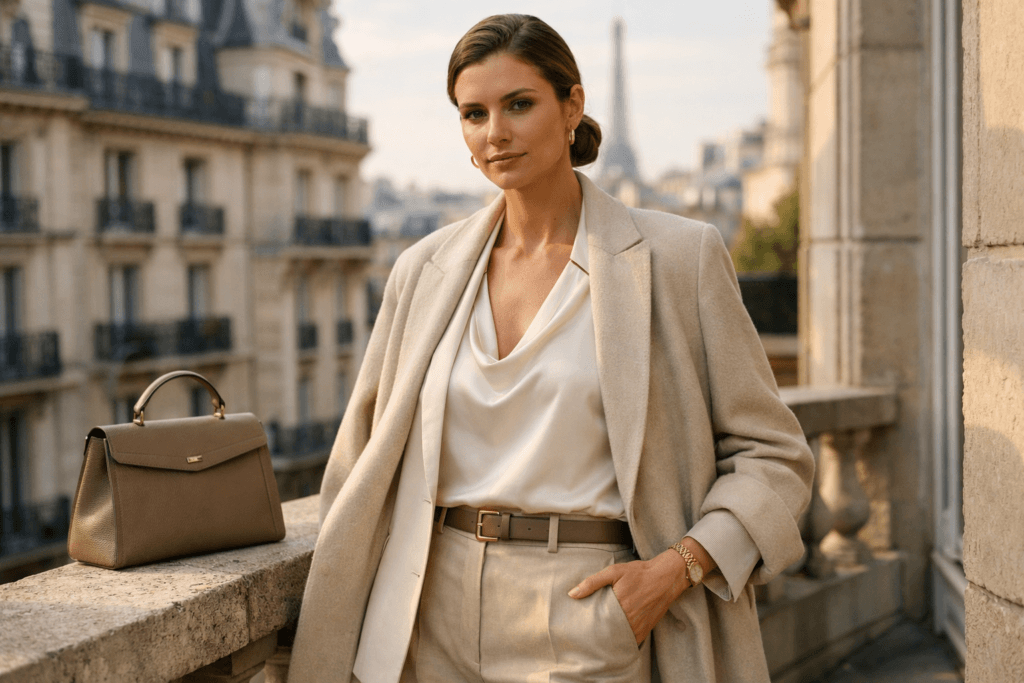
The idea of dressing rich is often misunderstood. It’s not about appearing flashy or wearing recognizable brands. In fact, overt displays of wealth often undermine the very impression people are trying to create.
Dressing rich is about:
- Looking composed rather than styled
- Choosing quality over quantity
- Wearing clothes that fit impeccably
- Allowing simplicity to speak louder than excess
The goal is to look like you belong wherever you are — without needing to prove it.
The Foundation: Fit Over Fashion

No trend, color, or label can compensate for poor fit. Clothing that fits properly immediately elevates an outfit, regardless of price point.
Rich-looking outfits follow clean lines. Jackets sit neatly at the shoulders. Trousers skim the body without clinging. Sleeves and hems hit intentional lengths. Even casual pieces look elevated when proportions are correct.
Tailoring is one of the most powerful tools for dressing rich. A simple blazer or pair of trousers altered to your body will always look more expensive than an ill-fitting designer piece.
Fabric Choice Is Everything
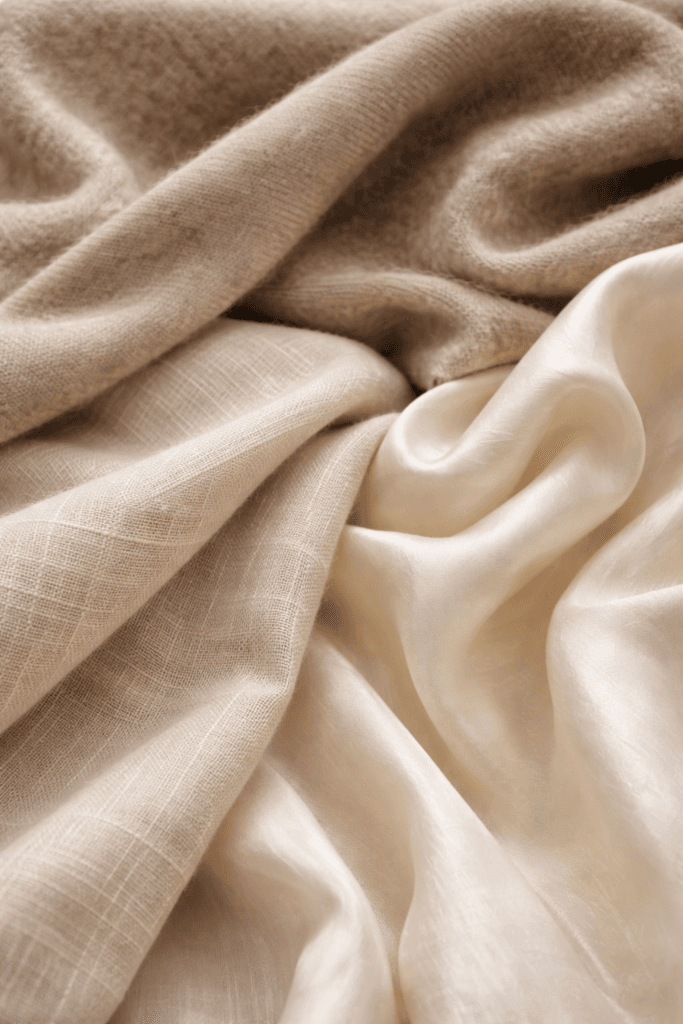
Fabric is often the first thing people subconsciously register. Natural materials tend to drape better, wear more gracefully, and photograph beautifully.
Rich-looking outfits frequently rely on:
- Wool, linen, silk, cotton, and cashmere
- Matte or softly textured finishes
- Substantial weight without stiffness
Avoid overly shiny synthetics or flimsy materials that lose structure quickly. Clothing that holds its shape communicates quality and care.
Color Discipline: Why Neutral Palettes Work
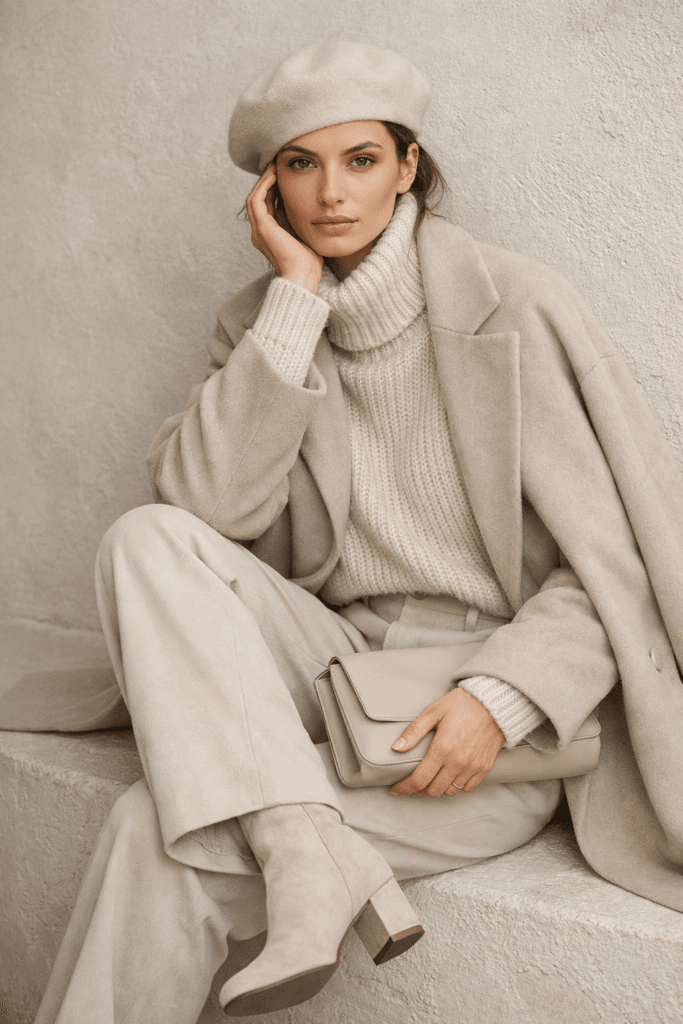
Neutrals form the backbone of rich dressing because they remove visual noise. Black, white, beige, camel, gray, navy, and soft browns allow form and fabric to take center stage.
This doesn’t mean avoiding color entirely. It means using color strategically — often in muted or tonal ways — rather than as a focal point.
Monochrome or near-monochrome outfits often look richer because they elongate the body and feel cohesive. When everything works together, nothing feels loud.
The Role of Restraint in Rich Style

One of the clearest markers of elevated style is restraint. Rich-looking outfits rarely rely on excess accessories, bold prints, or constant statement pieces.
Instead, they use:
- One focal point per outfit
- Clean silhouettes
- Minimal jewelry
- Thoughtful layering
Knowing when to stop is a skill. When an outfit feels complete before you’ve added everything you planned, that’s usually the moment to pause.
Why Dressing Rich Is About Consistency

Dressing rich isn’t about having one standout outfit — it’s about looking polished consistently. Whether you’re dressed casually or formally, the same principles apply.
Consistency builds trust in your style. It makes people associate you with ease, confidence, and reliability. Over time, that impression becomes part of your presence.
How to Dress Rich Casually
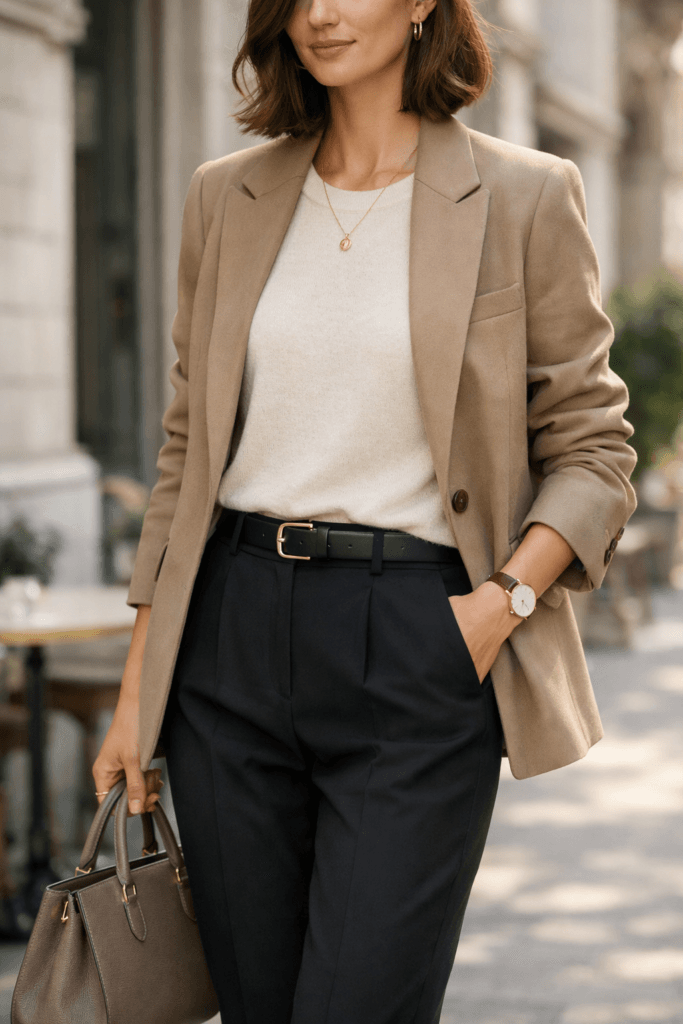
Casual dressing is where many people unintentionally dilute their style. Dressing rich casually isn’t about looking dressed up — it’s about looking intentional.
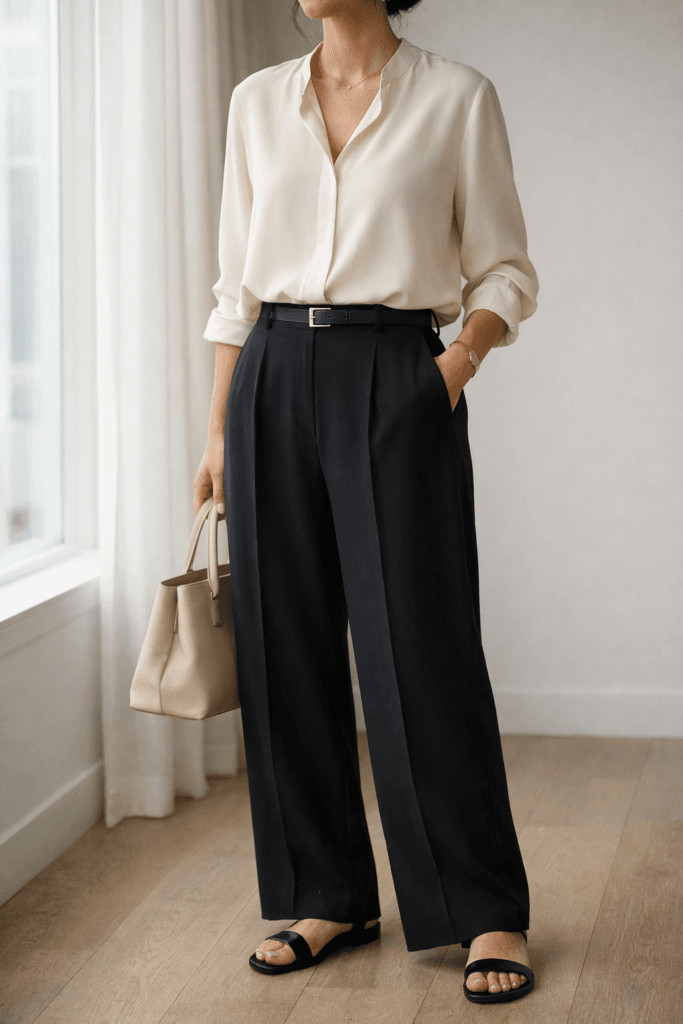
Start with structure. Even in relaxed outfits, one structured element anchors the look. This might be a well-cut blazer over a simple top, tailored trousers paired with a soft knit, or a crisp button-down styled effortlessly.
Fabric choice matters even more in casual settings. High-quality cottons, linen, wool blends, and knits with weight immediately elevate simple silhouettes. A plain white tee can look refined or careless depending entirely on fit and fabric.
Color discipline is key. Neutral palettes work exceptionally well for casual rich dressing because they feel calm and cohesive. Beige, ivory, soft gray, navy, and muted browns create outfits that feel elevated without trying.
Footwear should feel considered. Clean leather sneakers, loafers, or understated flats signal polish without formality. Avoid overly trendy styles that date quickly or distract from the outfit as a whole.
The goal is ease — the kind that looks natural rather than styled.
How to Dress Rich at Work

Dressing rich in professional settings is about authority without stiffness. The most polished work wardrobes communicate competence and confidence without excess.
Tailoring is non-negotiable here. Blazers should fit cleanly at the shoulders. Trousers should fall smoothly without bunching. Dresses should skim the body rather than cling.
Stick to restrained color palettes that allow shape and fabric to lead. Neutral suits, soft monochrome outfits, and classic combinations like navy and cream or gray and white feel timeless and composed.
Accessories should be subtle and functional. A structured bag, a refined belt, and minimal jewelry add polish without pulling focus. Shoes should look intentional and well-maintained — worn footwear undermines even the most expensive outfit.
Dressing rich at work isn’t about standing out. It’s about looking like you belong exactly where you are.
How to Dress Rich for Social Events
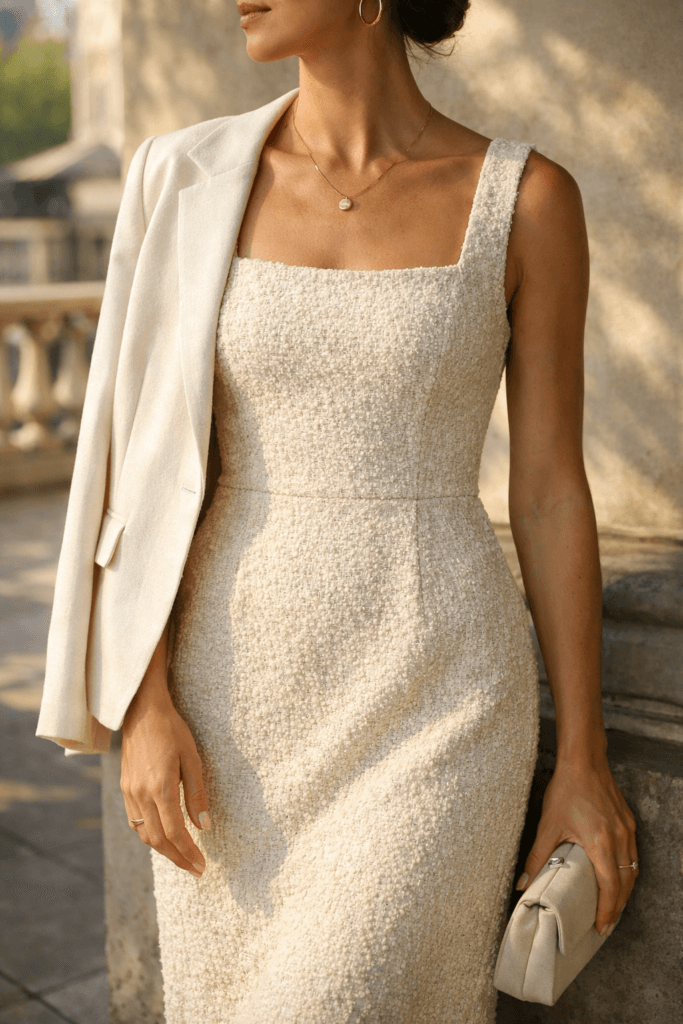
Social occasions are where many people overdo it. Dressing rich socially is about balance — knowing how to look elevated without appearing overstyled.
Choose pieces with clean silhouettes and quiet interest. This might be a beautifully cut dress, a silk blouse paired with tailored trousers, or a simple set that moves well. Avoid loud prints or excessive embellishment that compete for attention.
Texture becomes especially important here. Soft satins, crepe, fine knits, or matte finishes create visual interest without overwhelming the look. Neutral tones with subtle variation often photograph better and feel more refined.
Limit accessories. One standout element — a sculptural earring, a refined heel, or an elegant clutch — is enough. When everything is a statement, nothing feels special.
Rich dressing at social events feels confident, not performative.
Dressing Rich for Evening and Formal Occasions

Formal dressing is often misunderstood as an invitation to excess. In reality, the richest-looking formal outfits are usually the simplest.
Clean lines matter most. A well-cut gown, tailored suit, or minimalist evening ensemble often looks more expensive than heavily detailed alternatives. The focus should be on silhouette, movement, and fabric.
Dark neutrals — black, deep navy, charcoal, rich brown — work beautifully for evening. They create depth and elegance without distraction. When lighter tones are used, they should feel intentional and well-structured.
Fit is paramount. Eveningwear that fits poorly immediately cheapens the look, regardless of fabric or brand. Tailoring formalwear is an investment that pays off every time.
Evening richness is quiet. It doesn’t announce itself — it holds attention effortlessly.
Common Mistakes That Cheapen an Outfit

Understanding what undermines a rich look is just as important as knowing what elevates it.
One common mistake is over-branding. Visible logos and obvious labels often signal insecurity rather than confidence. Rich style relies on recognition through quality, not branding.
Another pitfall is trend overload. Chasing multiple trends at once creates visual noise and dates an outfit quickly. Rich dressing favors longevity over novelty.
Poor fit is perhaps the most damaging mistake. Clothing that pulls, bunches, or hangs incorrectly immediately disrupts an otherwise polished look.
Finally, neglecting grooming and presentation undermines everything. Wrinkled clothing, worn shoes, or overlooked details distract from even the best outfit.
Final Thoughts

Learning how to dress rich for every occasion isn’t about copying a look or following a formula. It’s about understanding the principles that create ease, balance, and longevity.
When you prioritize fit, fabric, restraint, and cohesion, your style naturally elevates. You stop chasing validation and start expressing confidence through simplicity.
Dressing rich isn’t about proving anything. It’s about feeling grounded wherever you go — and letting that assurance speak for itself.