
10 Dining Table Styling Tips for an Effortlessly Elevated Look
March 19, 2026
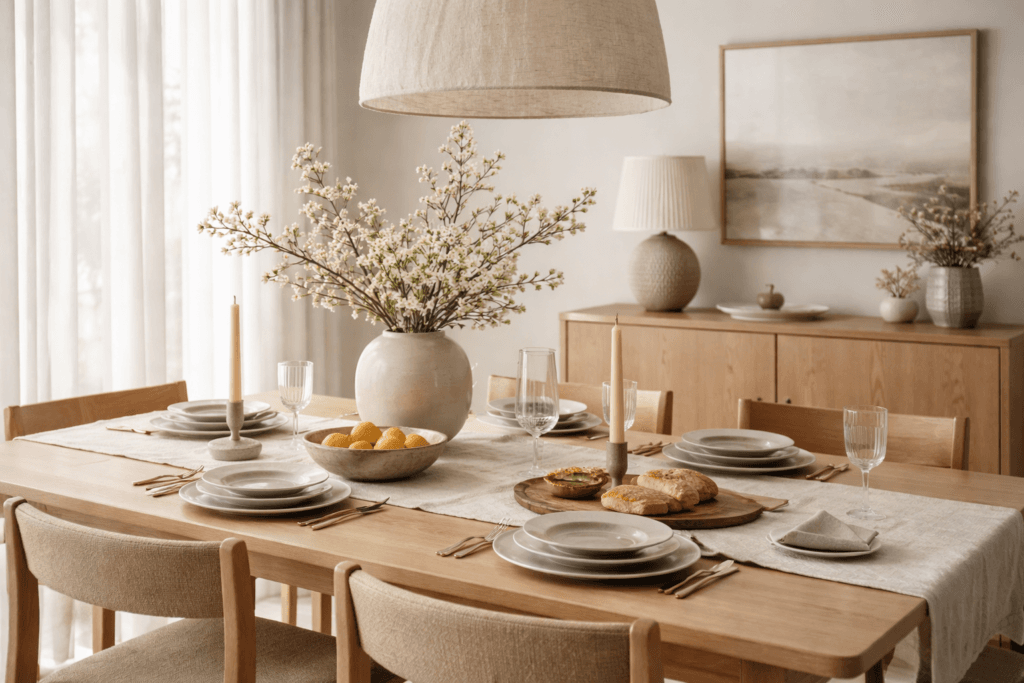
Introduction: Why Dining Table Styling Changes the Entire Room
Trending Finds Readers Are Loving
Explore affordable luxe discoveries people are clicking on right now.
See What's TrendingThe dining table is one of the most visually influential surfaces in a home. Even when it’s not in use, it quietly sets the tone for how a space feels. A thoughtfully styled dining table can make a room feel intentional, warm, and elevated. An unstyled or cluttered table, on the other hand, can make even a beautiful dining area feel unfinished.
What many people overlook is that dining table styling isn’t about decoration—it’s about balance. The right scale, materials, and restraint create a table that feels refined without feeling staged. These dining table styling tips focus on achieving that effortless look: polished, calm, and lived-in rather than overly designed.
Tip 1: Start with the Table’s Shape and Scale
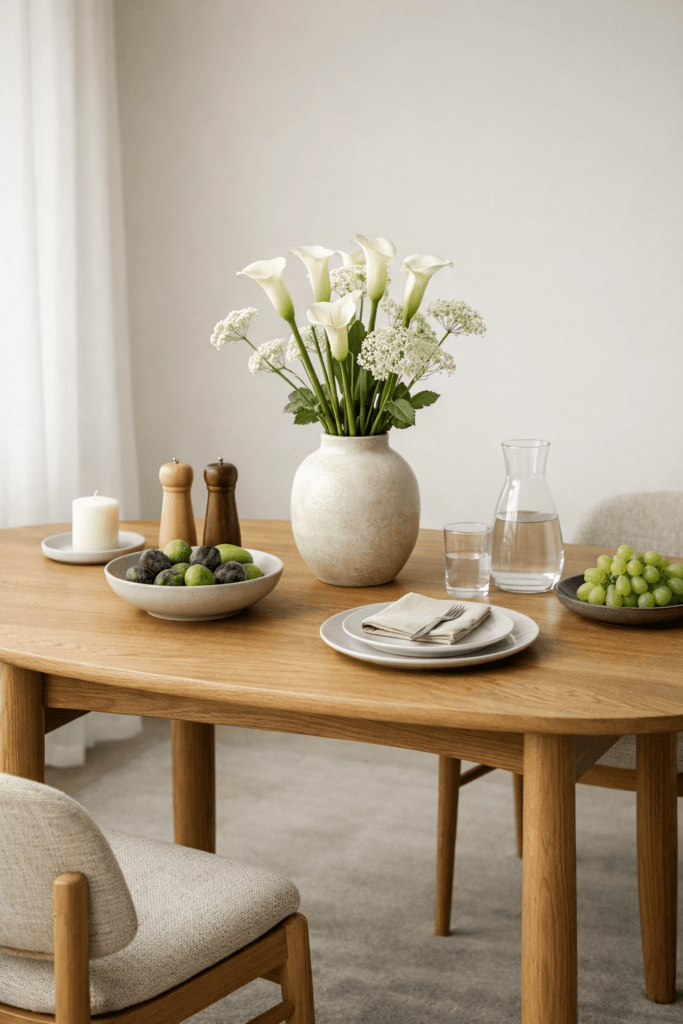
Every successful dining table arrangement begins with understanding the table itself. Shape and scale determine what styling will feel natural and what will feel forced.
A long rectangular table benefits from linear arrangements that guide the eye down the center. A round table, on the other hand, works best with a single anchored moment that radiates outward. Square tables sit somewhere in between and often need a bit more intention to avoid feeling static.
Before adding anything, step back and assess how much visual weight the table already carries. A heavy wood table may need lighter styling to avoid feeling bulky, while a slim or glass table often benefits from grounding elements that add presence.
When styling respects the table’s proportions, everything that follows feels easier.
Tip 2: Use One Central Anchor Instead of Many Small Pieces
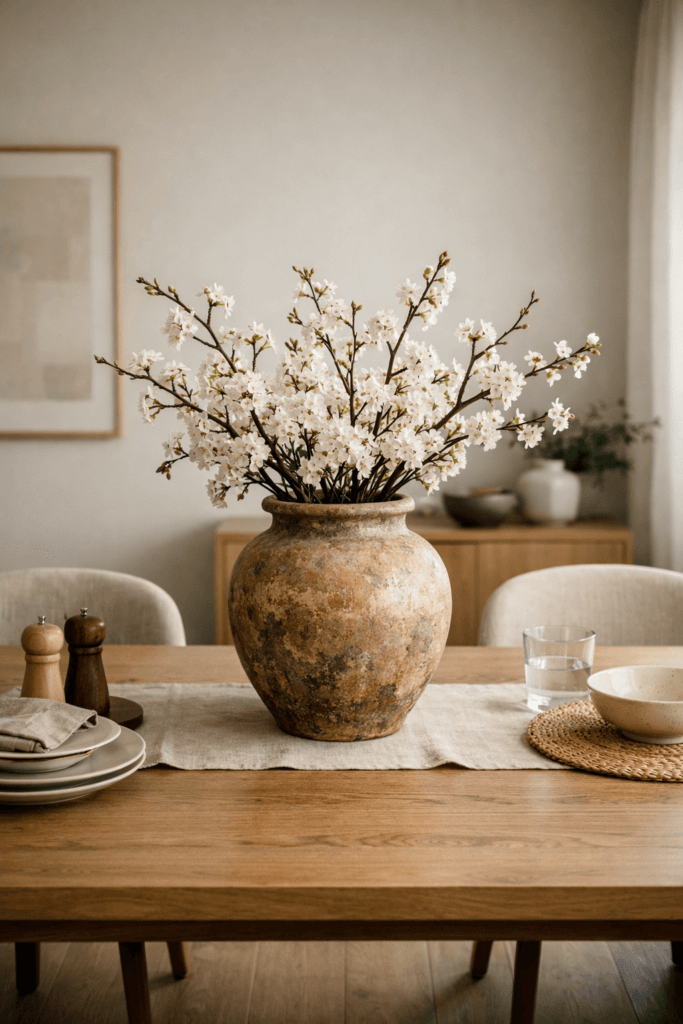
One of the most common dining table styling mistakes is using too many small decorative items. While each piece may be attractive on its own, together they create visual clutter rather than cohesion.
An elevated dining table almost always has a clear anchor—something that immediately grounds the arrangement. This might be a sculptural bowl, a low vase, or a simple centerpiece with strong form.
Once the anchor is in place, everything else should support it, not compete with it. Fewer pieces with stronger presence will always feel more intentional than many small accents scattered across the surface.
This approach creates instant polish without effort.
Tip 3: Keep Height Low for Everyday Elegance
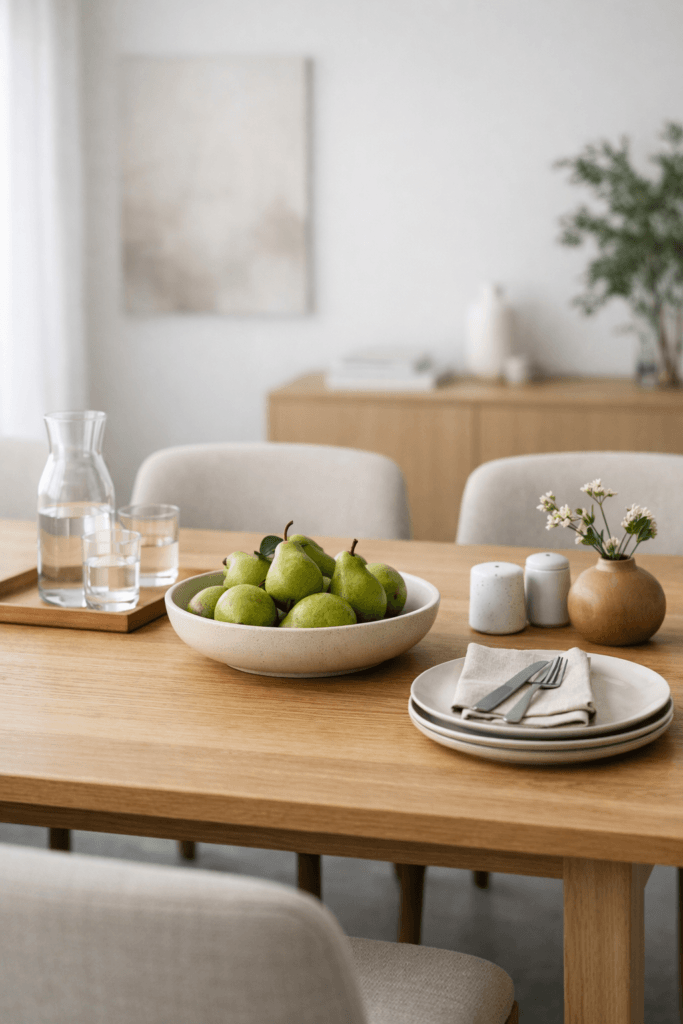
While tall centerpieces can look dramatic, they often disrupt the flow of a dining space—especially for everyday styling. Elevated dining tables typically feel calmer when the styling stays low and unobtrusive.
Low-profile elements allow sightlines to remain open and make the table feel welcoming rather than formal. They also keep the focus consistency across the room instead of drawing attention upward.
If you love height, reserve it for occasional styling or special gatherings. For daily use, low arrangements feel refined, practical, and effortlessly elegant.
Tip 4: Let Negative Space Be Part of the Design
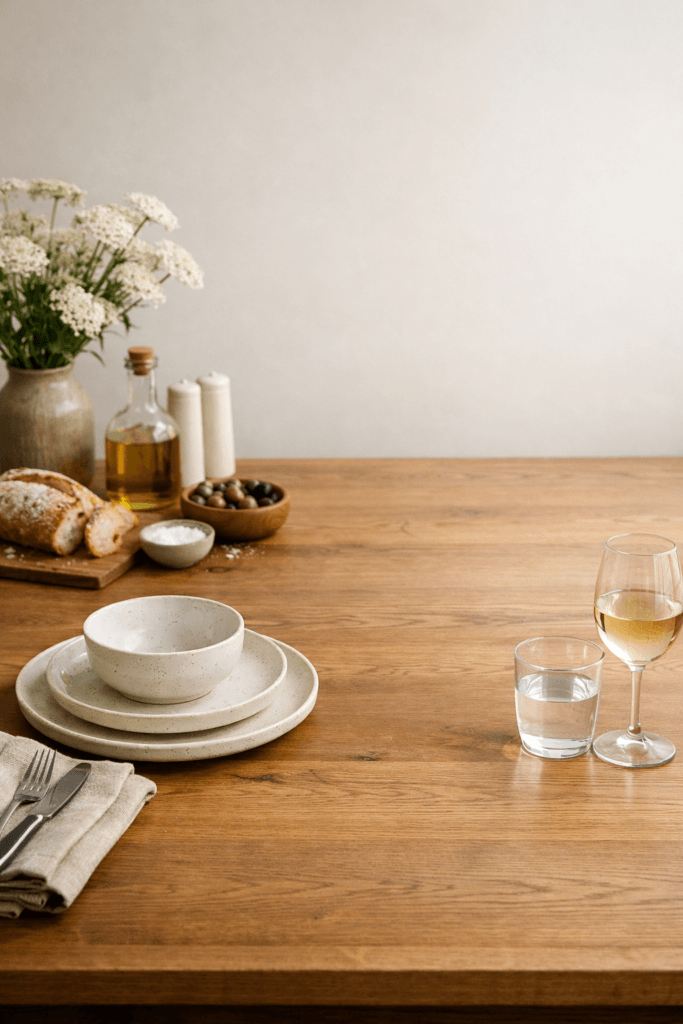
One of the most powerful dining table styling tips is knowing when to stop. Negative space is not emptiness—it’s intention. Leaving parts of the table bare allows the styling to breathe and prevents the arrangement from feeling overcrowded.
An elevated dining table doesn’t try to fill every inch. Instead, it creates a sense of calm by allowing space around the focal elements. This restraint signals confidence and makes the entire dining area feel more curated.
If the table feels busy, removing one item often has more impact than adding another.
Tip 5: Layer Materials for Subtle Depth
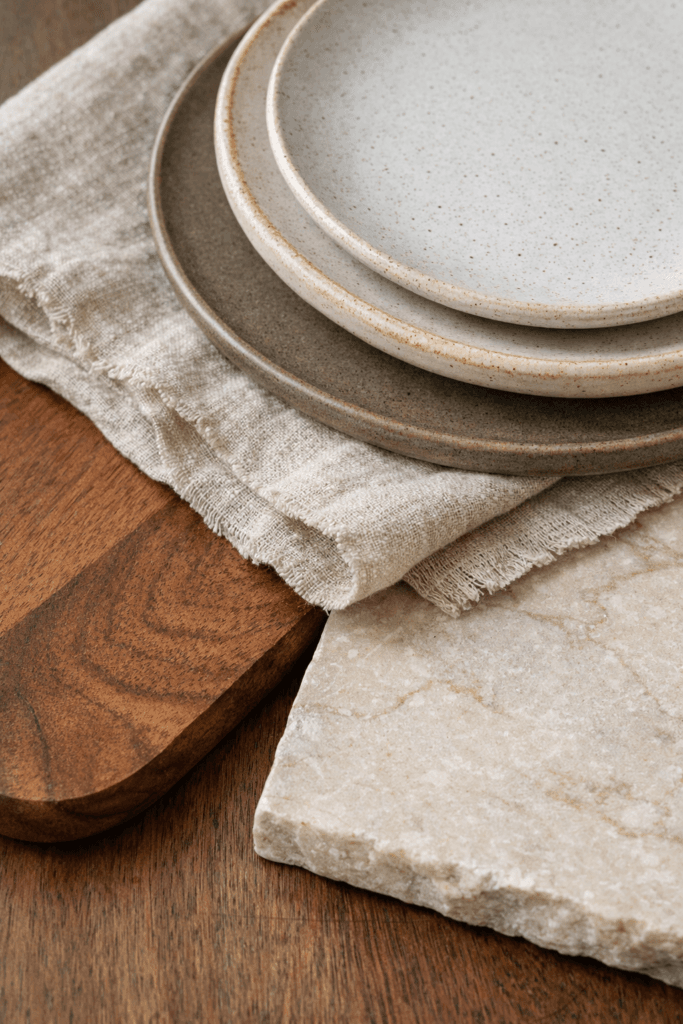
Depth in dining table styling comes from material contrast, not excess. Mixing materials—such as ceramic, wood, glass, or stone—adds interest without overwhelming the space.
The key is keeping the palette cohesive while varying texture. For example, a smooth ceramic bowl paired with a natural wood table and soft linen runner creates a layered look that feels thoughtful rather than decorative.
Material layering makes the table visually engaging while still feeling grounded and natural.
Tip 6: Choose a Color Story and Stick to It
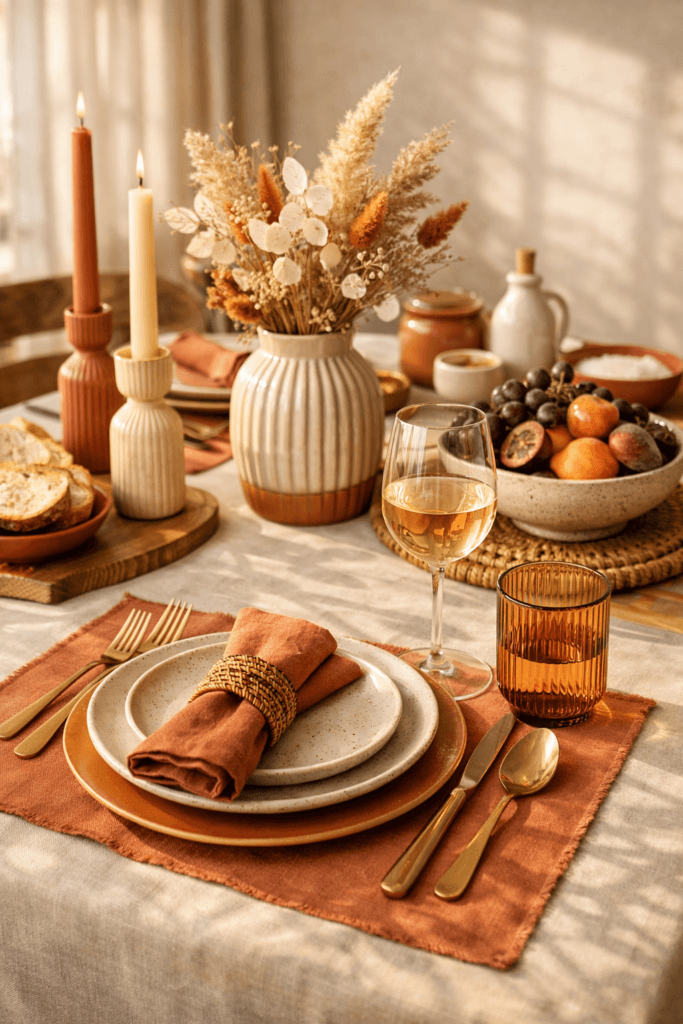
An elevated dining table always follows a quiet color story. This doesn’t mean everything must match, but it does mean the colors should speak the same language.
Start by identifying the dominant tone of your dining space. This might be warm wood, cool stone, or a neutral base. From there, limit your styling palette to two or three complementary tones. This creates cohesion and prevents the table from feeling visually scattered.
When colors are repeated intentionally, the table looks styled rather than decorated. The effect is subtle but powerful—and it’s one of the easiest ways to elevate the look instantly.
Tip 7: Avoid Over-Styling Place Settings for Everyday Use
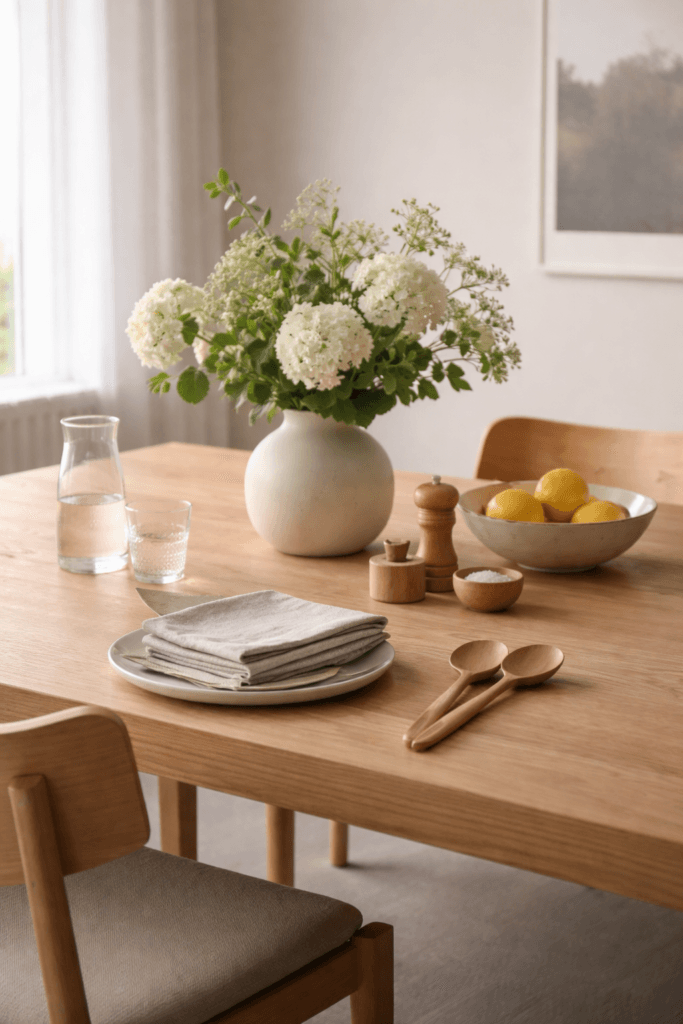
Place settings can be beautiful, but they don’t need to be permanent. Over-styling with plates, chargers, and napkins every day can make a dining table feel more like a showroom than a functional space.
For everyday elegance, let the table breathe. A simple runner or centerpiece is often enough. Save full place settings for gatherings or special occasions when the table becomes part of the experience rather than part of the background.
An elevated dining table feels intentional without feeling untouchable.
Tip 8: Let Lighting Influence How You Style
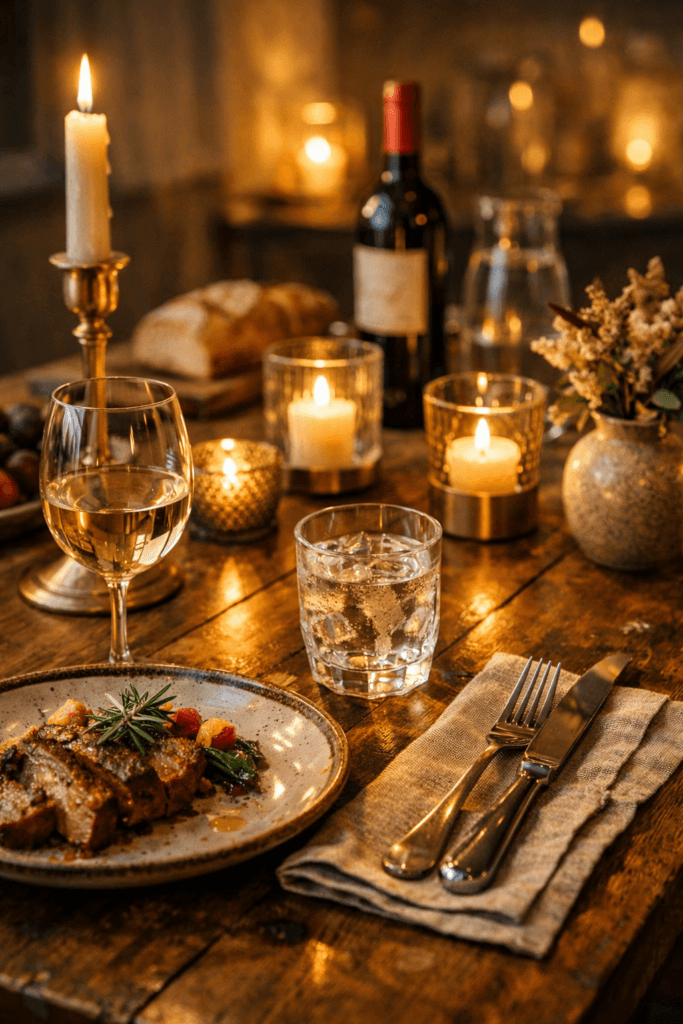
Lighting plays a huge role in how dining table styling is perceived. What looks perfect during the day can feel heavy or flat at night if lighting isn’t considered.
If your dining area relies on warm lighting, choose materials and colors that glow rather than absorb light. Soft ceramics, lighter woods, and subtle reflective surfaces work beautifully. If your lighting is cooler, grounding elements help balance the effect.
Styling that works in both daylight and evening light ensures the table always feels polished, no matter the time of day.
Tip 9: Edit Seasonally Without Starting Over
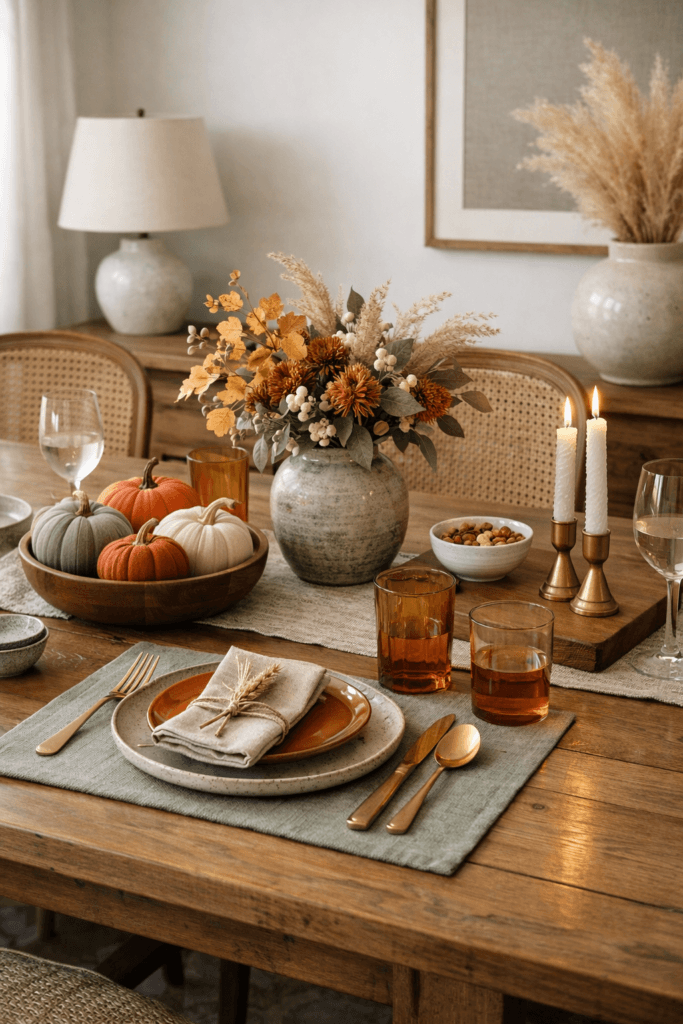
An effortlessly elevated dining table doesn’t need constant reinvention. Instead, it evolves subtly with the seasons.
Seasonal editing might include:
- Swapping textiles
- Adjusting color accents
- Introducing natural elements appropriate to the time of year
The foundation remains the same, which keeps the table cohesive. These small shifts refresh the space without disrupting its overall balance.
Tip 10: Style for How You Live, Not How It Looks Online
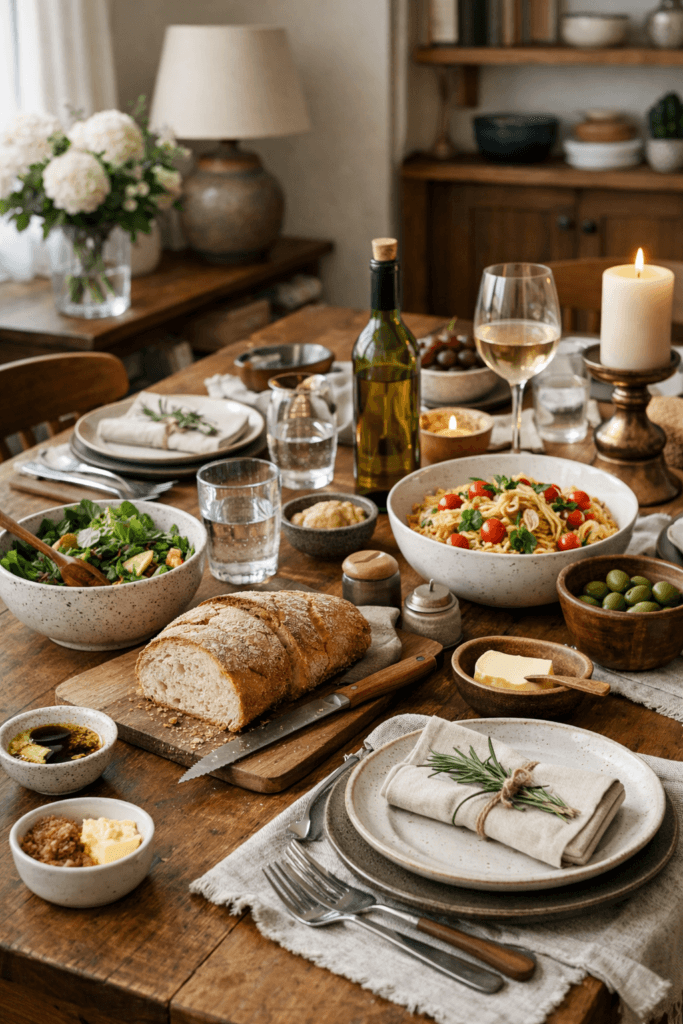
The most important dining table styling tip is this: style for your life. A table that looks beautiful but feels inconvenient will never feel truly elevated.
If you eat at the table daily, keep styling minimal and flexible. If the table is mostly visual, you can afford a bit more structure. The key is aligning styling with use.
When styling supports your habits instead of fighting them, the table feels effortless—and that’s what elevated truly means.
Why Effortless Styling Always Feels Better Than Perfect Styling
Effortless dining table styling isn’t about perfection. It’s about intention. When choices are guided by balance, restraint, and clarity, the table naturally looks refined.
Perfection feels fragile. Effortless styling feels sustainable.
That’s why elevated spaces don’t constantly change—they’re edited, not reinvented.
How to Maintain an Elevated Dining Table Without Constant Effort
Once your dining table is styled well, maintaining it becomes simple. Use your original choices as filters. If something doesn’t align with the established palette, scale, or material story, it doesn’t belong.
This mindset prevents clutter from creeping back in and keeps the table feeling intentional with minimal effort.
Final Thoughts: Elevation Comes from Restraint
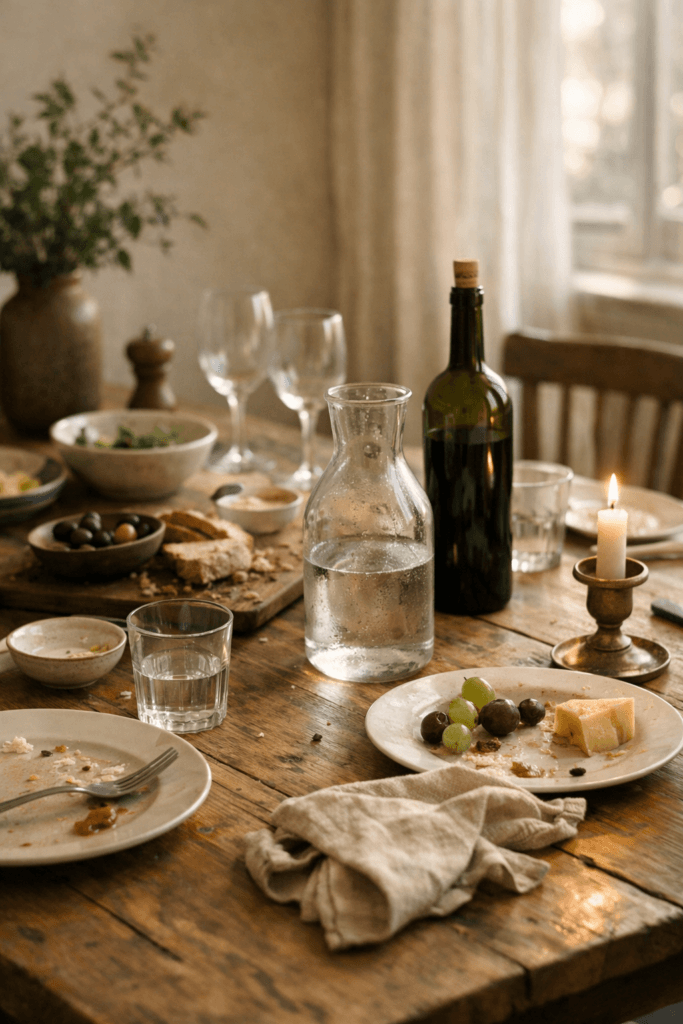
An elevated dining table doesn’t rely on trends or excess. It relies on understanding proportion, material, and negative space.
When you style with restraint, confidence replaces clutter. The table becomes a calm anchor in the room—quietly beautiful, functional, and inviting.
That’s the essence of effortless elevation.